


Acrylic plastic (Polymethyl Methacrylate – PMMA) is an engineering plastic belonging to the thermoplastic group. With excellent transparency, flexibility in processing, and superior durability, acrylic has become a top choice in the plastic injection molding industry in Vietnam. Join Thai Duong Plastics as we explore this material in more detail in the article below.
Characteristics and Classification of Acrylic Plastic
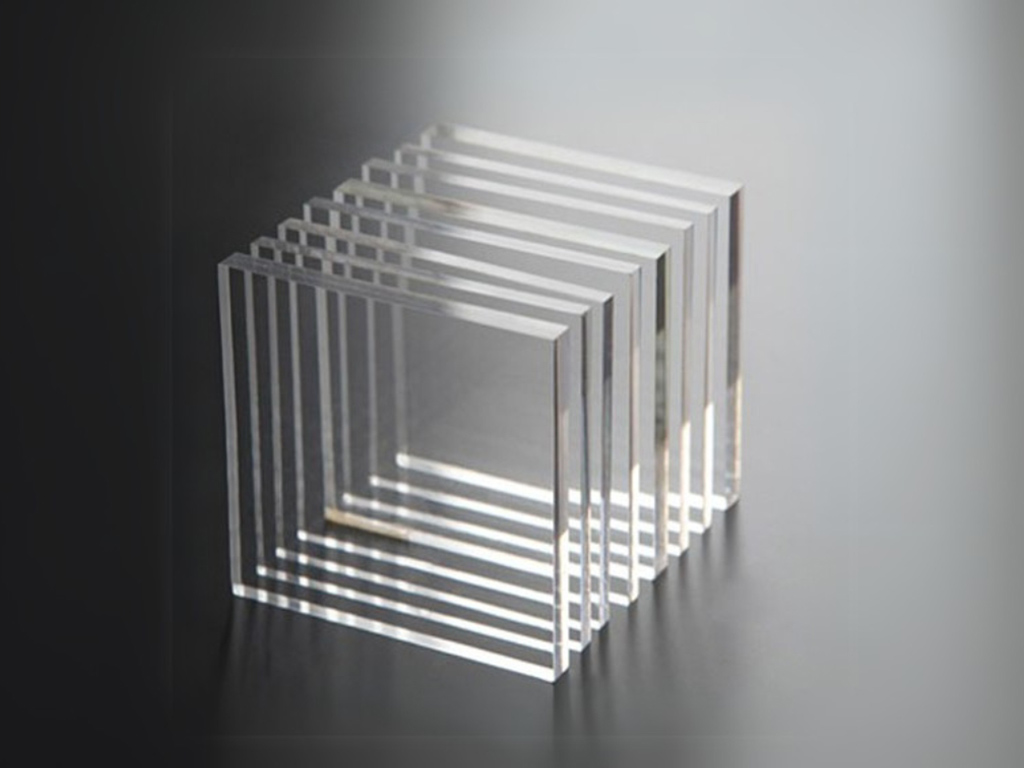
Acrylic offers glass-like clarity but with significantly higher impact resistance. This makes it ideal for manufacturing products that require high durability, safety, and aesthetic appeal.
Acrylic also resists UV radiation and withstands outdoor weather conditions, avoiding yellowing or discoloration over time. Additionally, it can be easily bent, cut, or molded without compromising the mechanical integrity of the product.
Outstanding Physical and Mechanical Properties of Acrylic
Here are the standout features that make acrylic an exceptional material:
- High transparency: Excellent light transmission, similar to glass, offering an elegant visual effect.
- Impact resistance: Far more durable than glass and difficult to shatter under normal conditions.
- Lightweight: Easy to transport, install, and handle—especially ideal for large-sized products.
- Weather and UV resistance: Doesn’t yellow, crack, or degrade when exposed to sunlight for long periods.
- Easy to fabricate: Can be cut, bent, drilled, glued, or molded without damaging the surface.
- Resistant to mild chemicals: Unaffected by common cleaning agents and light chemicals.
- Safe for health: Free from lead and toxic substances, suitable for household items and sanitary products.
While acrylic has many advantages, it also has limitations such as poor scratch resistance and vulnerability to high heat without reinforcement. These issues can be addressed through surface coating or combining with auxiliary materials during production.
Applications in Plastic Injection and Manufacturing
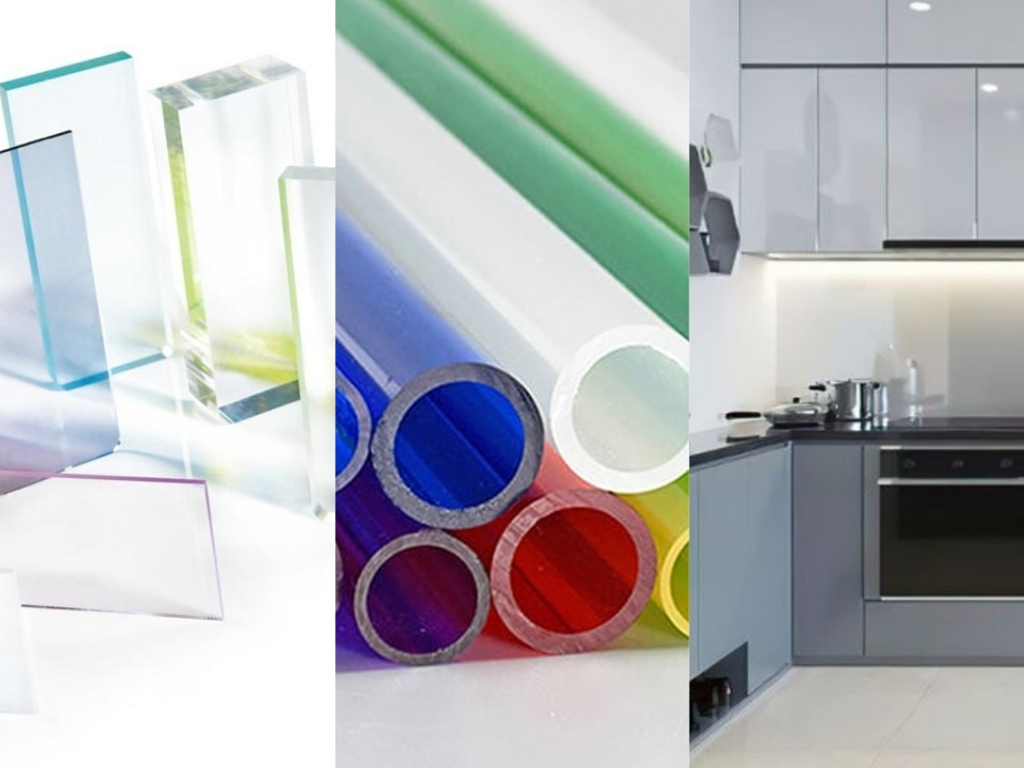
In industrial applications, acrylic is commonly used in plastic injection molding to produce complex-shaped items such as control panels, partitions, and technical components. It’s also widely used in sanitary ware production—like bathtubs, sinks, and shower partitions—thanks to its waterproof nature, mold resistance, and ease of cleaning. In interior design, its glossy finish and rich color options make it ideal for kitchen cabinets, shelves, and desks.
Common Types of Acrylic Plastic
Depending on usage and fabrication method, acrylic plastic is categorized into three main types:
Thermoplastic Acrylic
The most common type used in injection molding. It softens under heat and can be reshaped repeatedly. It’s ideal for mass production methods like injection molding and thermoforming.
Thermoset Acrylic
Used when products require higher physical properties like chemical resistance, hardness, and thermal durability. Once formed and cured, thermoset acrylic cannot be reshaped.
Acrylic Emulsion
Commonly used in paints and adhesives. This is a water-based dispersion of acrylic, not suitable for injection molding but crucial in surface coating and product finishing.
How to Select the Right Acrylic for Production
Choosing the appropriate acrylic type is key to ensuring optimal production outcomes. Thai Duong Plastics recommends the following criteria:
Required mechanical properties of the product
For high transparency needs, choose extruded acrylic. For applications needing higher strength, impact resistance, or complex thermal processing, cast acrylic is a better fit.
Operating environment
For outdoor use, opt for UV-resistant and weatherproof types to ensure long-term durability.
Production method and design
For mass production with high shaping requirements—like molding, thermoforming, or vacuum forming—thermoplastic acrylic is ideal due to its flexibility and formability.
Material compatibility
For products that require painting, printing, or adhesive bonding, select acrylic types with compatible surface characteristics to ensure stability, durability, and aesthetics.
Cost and manufacturing efficiency
Extruded acrylic is more economical but prone to scratching, while cast acrylic is more durable and consistent in thickness, suitable for premium plastic fabrication. Businesses should balance budget and output quality.
Compliance with safety and technical standards
For industries like medical devices, food packaging, and high-end consumer goods, choose acrylic that meets safety standards such as FDA, RoHS, or ISO 13485 to comply with market regulations.

With strong technical expertise and internationally standardized facilities, Thai Duong Plastics specializes in fabricating premium plastic products. If you’re looking for a partner in industrial injection molding using acrylic materials, we’re confident we can be the ideal choice for your business.
Learn more: Engineering Plastic POM