


Rubber transfer molding is a specialized technique ideally suited for producing complex-shaped products or components that require embedded metal inserts. This comprehensive guide, researched and compiled by Thai Duong Plastics, offers an overview of this processing method while comparing it to other common rubber molding techniques.
What Is Rubber Transfer Molding?
Rubber transfer molding is a closed mold process in which pre-measured uncured rubber is placed into a separate chamber called the transfer pot. In this chamber, the material is heated and compressed by a piston, forcing it through a system of runners into a closed mold cavity. Once the rubber is evenly distributed, it undergoes vulcanization under stable heat and pressure to form the final product.
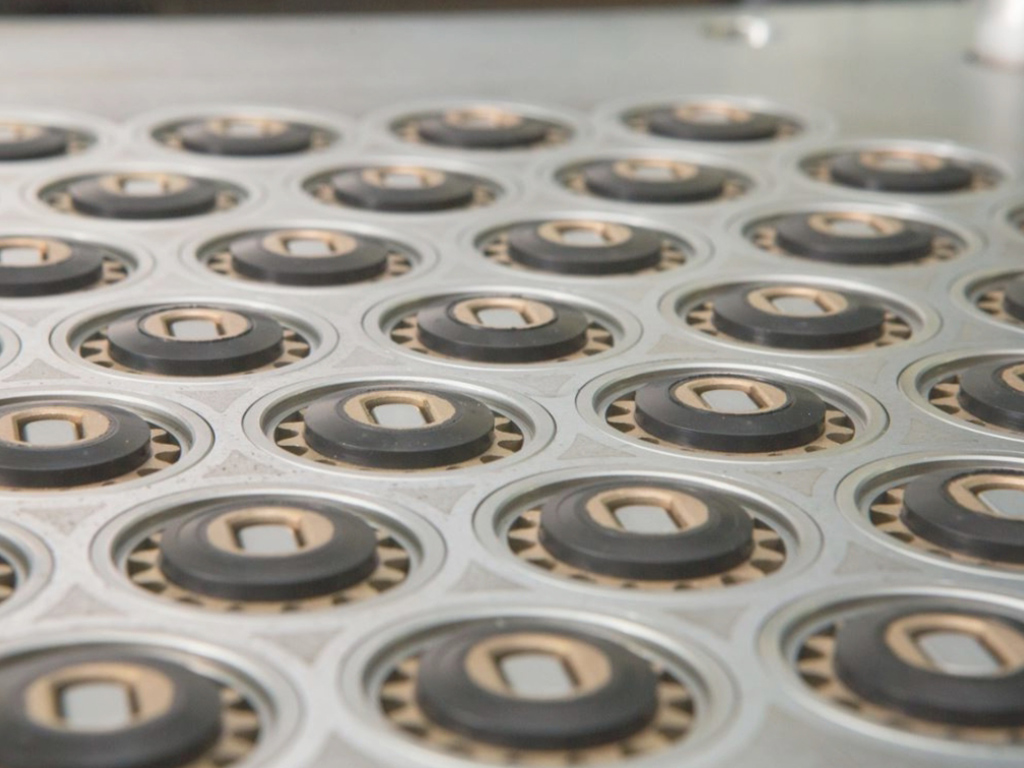
Unlike compression molding, which places the material directly in the mold cavity, transfer molding offers better control over material flow and minimizes variation in weight and shape. It is especially suitable for thermoset plastics and technical rubbers requiring high precision and stable molding—ideal for intricate details, deep grooves, and thin-walled parts.
Structure of a Transfer Mold
A typical transfer mold consists of four main components:
- A transfer pot for holding uncured rubber.
- A piston to generate pressure and push material into the mold.
- A runner system connecting the transfer pot to the mold cavity.
- The mold cavity where the rubber is shaped and cured into the final product.
Once heated, the rubber is compressed by the piston in the transfer pot and flows through the runner system (typically a central gate) into the mold cavities. The mold must be precisely engineered to ensure stable material flow, avoiding defects like flow misalignment, air pockets, or flash.
Ventilation and temperature control systems are also essential to prevent surface pitting or part deformation. Modern transfer molds can incorporate inserts such as metal, engineering plastics, or electronics, allowing for the production of complex composite parts with superior mechanical and electrical performance.
Key Characteristics of Transfer Molding
Transfer molding is compatible with many types of technical rubber and specialty compounds. It is highly regarded for applications requiring fine details, stable mechanical strength, and repeatable mass production.
Advantages:
- Produces parts with high precision and excellent surface finish.
- Enables embedding of metal or other materials inside the rubber.
- Minimizes flash thanks to well-controlled mold filling.
- Suitable for complex geometries and small intricate components.
- Less reliant on operator skill compared to compression molding.
Disadvantages:
- Longer cycle times than injection molding.
- More complex and costly mold designs initially.
- Requires strict control over temperature and pressure settings.
- Not ideal for large-scale production unless automated.
Practical Applications of Rubber Transfer Molding
Rubber transfer molding is widely applied in industries demanding precision and durability:
- Sealing gaskets in automotive and industrial equipment.
- Rubber seals used in hydraulic and pneumatic systems.
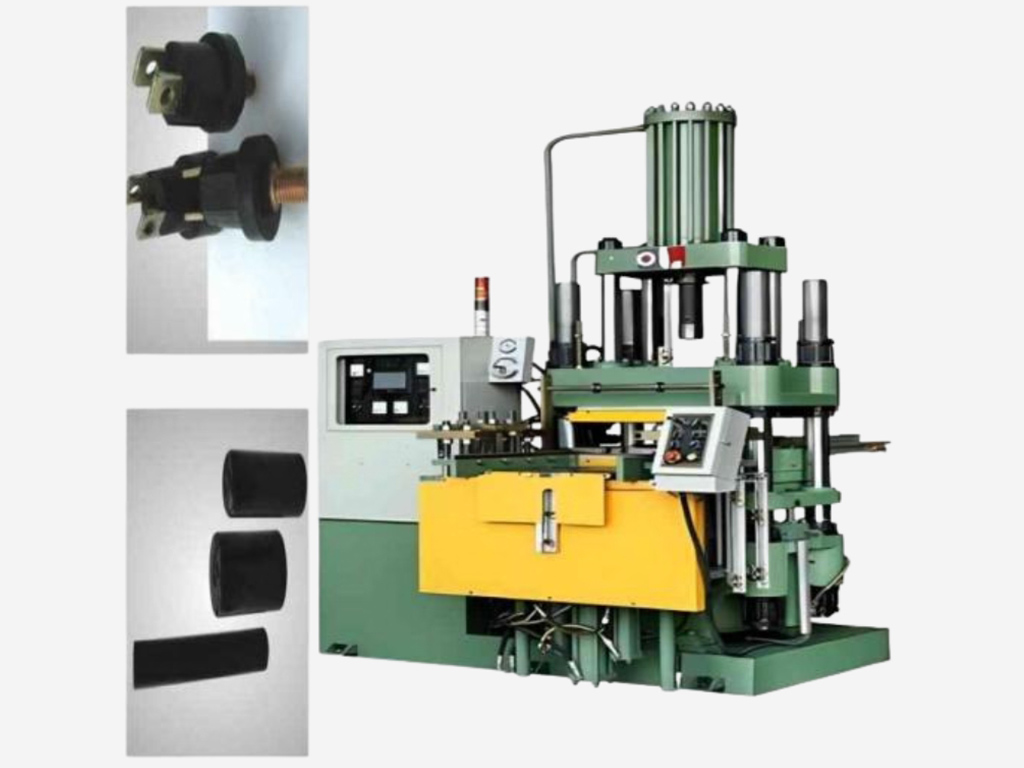
- Shock absorbers and rubber mounts with embedded metal inserts.
- Rubber parts resistant to vibration and heat in aerospace and defense.
- Rubber-coated metal components used in drive systems.
This method is preferred for producing composite parts due to its ability to embed materials directly into the rubber during molding.
Comparison Between Transfer and Injection Molding
Both transfer and injection molding are popular techniques for shaping high-precision rubber parts. However, they differ in several key areas:
| Comparison Table: Transfer vs. Injection Rubber Molding | |||
| No. | Criteria | Transfer Molding | Injection Molding |
| 1 | Working Principle | Uncured rubber is placed into a transfer pot, pressed by a piston through runners into the mold cavity, then cured | Plasticized rubber is injected directly from the cylinder into the mold cavity and cured in place |
| 2 | Product Geometry | Ideal for complex shapes, fine details, and components with embedded materials | Best for small to medium-sized parts with simple geometry and fast production needs |
| 3 | Cycle Speed | Moderate; cycle times are typically longer | Much faster; suitable for high-volume production |
| 4 | Mold Cost | Moderate; more complex than compression but simpler than injection molds | Very high due to precision requirements and integrated runner systems |
| 5 | Material Waste | Less than compression but more than injection due to leftover material in pot and runners | Minimal, as material is pre-measured and injected directly into the mold |
| 6 | Product Accuracy | High, with minimal deformation thanks to controlled curing | Very high due to accurate and even material injection |
| 7 | Quality Stability | Stable if technical parameters are well-controlled | Very stable, especially for mass production |
| 8 | Suitable Applications | Products requiring embedded inserts or complex shapes | Products requiring high productivity, small sizes, and large volumes |
| 9 | Automation | Can be automated, usually at a moderate level | Easily integrated into fully automated production lines |
| 10 | Initial Investment | Moderate; suitable for small and medium businesses | High; suitable for large-scale manufacturers |
Depending on product characteristics and production scale, businesses can choose the appropriate method. In many cases, transfer molding serves as a balanced middle ground between compression and injection molding, offering an optimal trade-off between investment cost and output quality.
We hope this article has helped you clearly understand the principles, mold structure, advantages, disadvantages, and practical applications of rubber transfer molding. With this knowledge, businesses can design suitable manufacturing processes and optimize production efficiency. For expert consultation on industrial rubber molding technologies, feel free to contact Thai Duong Plastics for in-depth support.