


Rubber molds are the core components in the production of technical rubber parts. The quality of the mold directly affects the precision, consistency, and operational performance of the final product. In this article, Thái Dương Plastics provides a comprehensive overview of rubber mold structure, classification, and key technical criteria in mold design.
Introduction to Rubber Molds
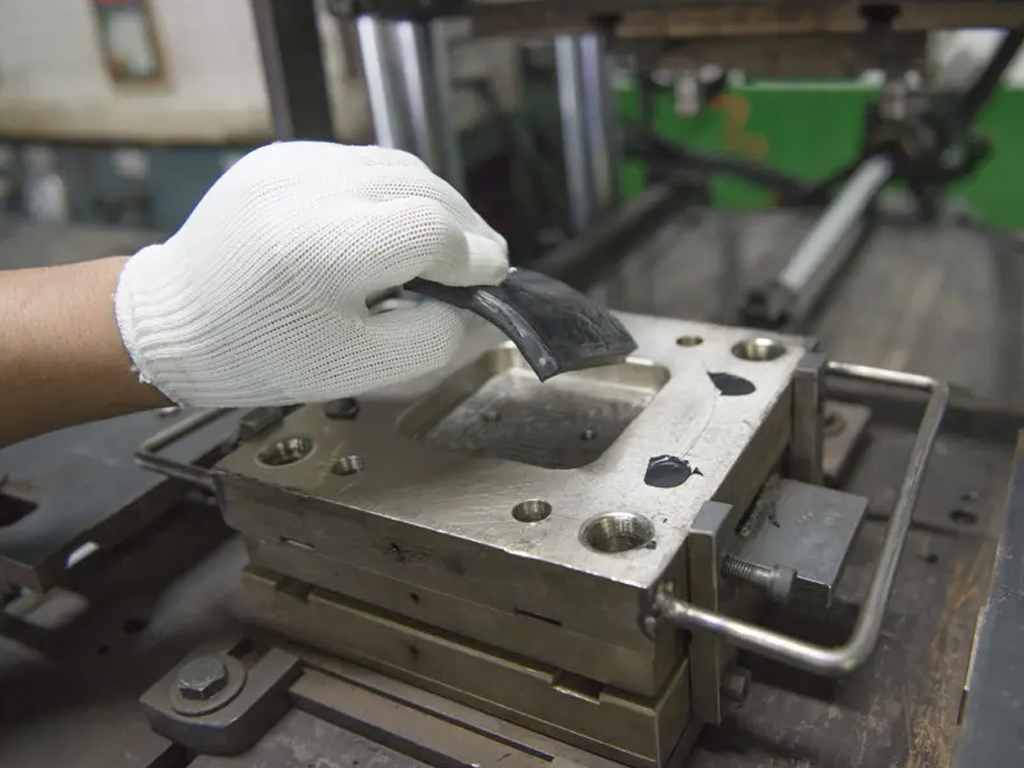
A rubber mold is a metal tool used to shape rubber products through vulcanization at high temperature and pressure. When rubber is loaded into the mold, the material fills the pre-designed cavities, is heated, and shaped into a finished product. Mold quality determines product precision and stable production performance over time.
Basic Structure of a Rubber Mold
A typical rubber mold consists of the following main components:
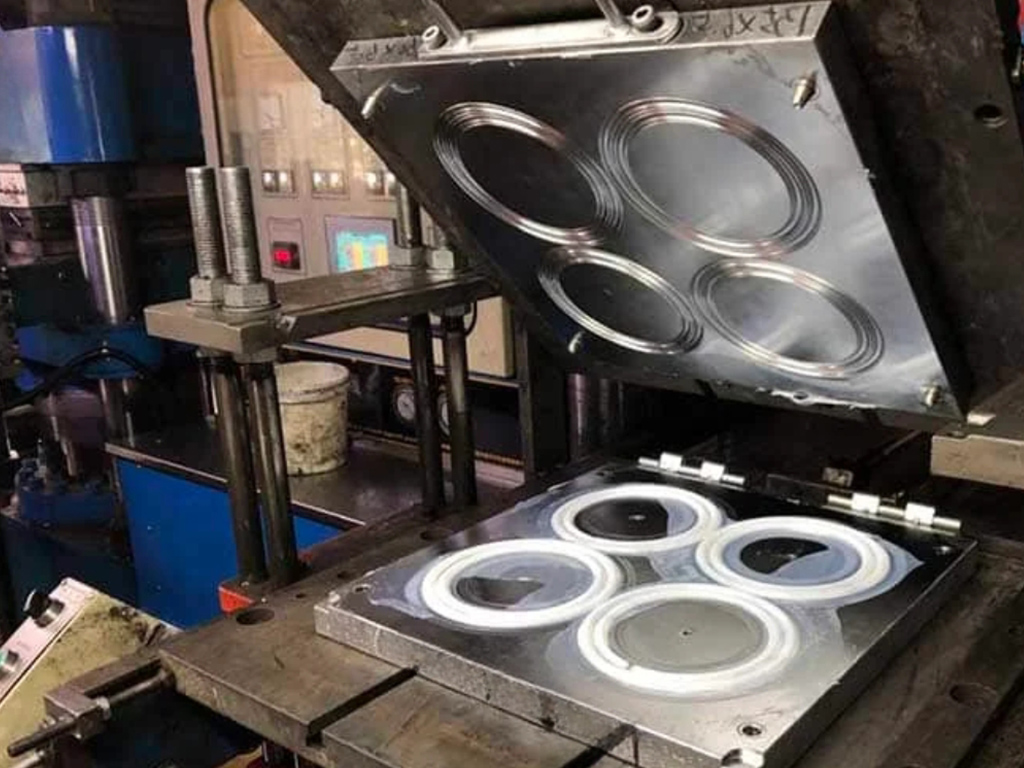
- Upper and lower mold halves: Two halves form the mold cavity, shaping the product to the designed profile when pressed together.
- Guide pins: Ensure precise alignment between the two halves during opening and closing, so the mold fits perfectly.
- Mold handles: Assist with manual opening in manual or semi-automatic systems.
- Air vents: Allow air and excess material to escape, preventing air bubbles and product deformation.
- Flash cutters: Create a sharp parting line and minimize excess flash after demolding.
- Heating/cooling system: Regulates mold temperature during vulcanization, ensuring product quality and optimizing production time.
Most Common Types of Rubber Molds
Depending on the production method and automation level, rubber molds are classified into several types:
By material feeding method:
- Compression molds: Rubber is manually placed into each cavity before closing. Typically used for low-volume or prototype production.
- Transfer molds: Rubber is loaded into a transfer chamber and pressed down into the mold cavity through an intermediate system. Suitable for complex products requiring high uniformity.
- Injection molds: Rubber is softened and injected into the mold through a nozzle system. This method supports high-speed, large-volume automated production.
- Transfer-type molds: Rubber is placed in a reservoir and pushed through channels into the mold cavity, suitable for complex or high-precision parts.
By mold cavity configuration:
- Single-cavity molds: Each cycle produces one product. Used for small-scale production or testing.
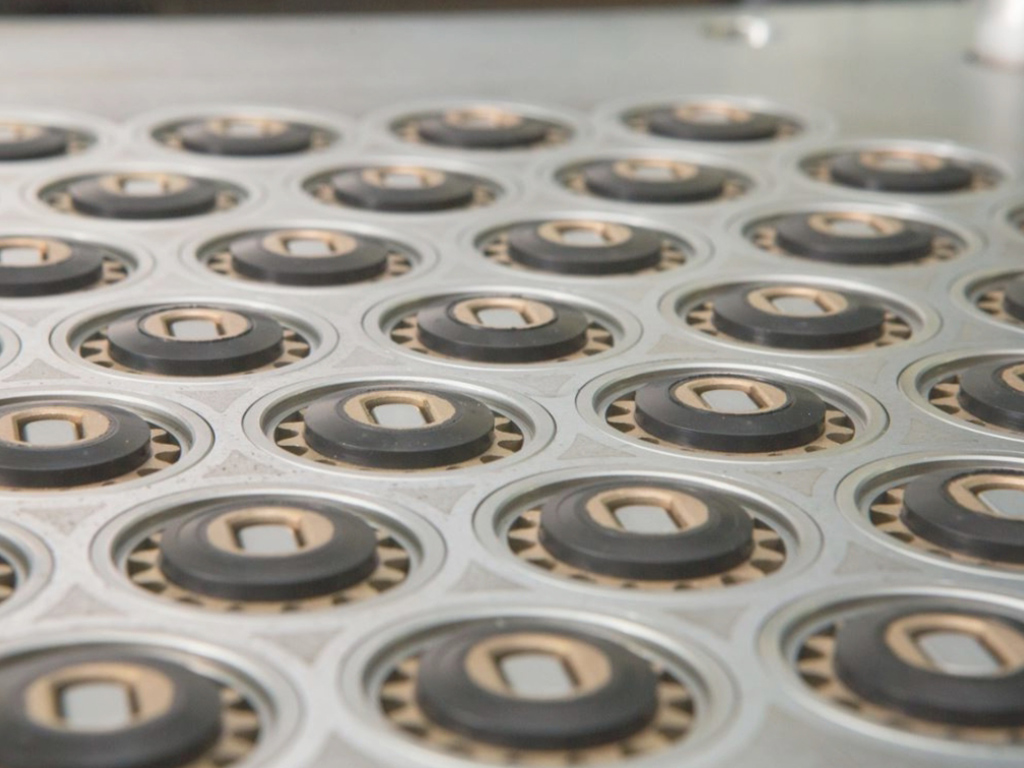
- Multi-cavity molds: Can produce multiple products at once. Optimized for mass production.
Technical Factors Affecting Mold Quality
To ensure stable operation and high-quality output, the following technical factors must be carefully controlled from the design phase:
Machining accuracy
The mold must be machined with high precision to ensure product shape matches the design. Even minor errors in the cavity can cause misalignment, distortion, and failure to meet technical standards.
Cavity surface finish
A finely polished mold cavity allows easy product release and improves the surface quality of molded parts. Surface finish is achieved through polishing after fine machining.
Proper flash line design
Flash is excess rubber at the parting line. Sharp, even flash cutters help products separate cleanly, prevent excessive burrs, and reduce post-molding cleanup time.
Mold material selection
Common steels such as SKD11 (for high wear resistance), S50C (for simpler molds), etc., are chosen based on mechanical and temperature requirements. Mold material directly affects durability, wear resistance, and service life.
Rubber Mold Design and Manufacturing Process
A quality mold is developed through a systematic process:
- Define technical requirements based on product drawings, rubber material type, and estimated production quantity.
- Design a 3D mold model, calculate rubber material shrinkage, and optimize vent and flash cutter layout.
- Machine the mold with milling, turning, grinding, and polishing steps according to design.
- Assemble all mold components and check accuracy during trial operation.
- Conduct sample molding to evaluate product quality and correct any errors or defects found.
- Simulate the vulcanization process with software (e.g., CAD/CAM) to assess the mold design before manufacturing.
Notes When Ordering Custom Rubber Molds
When working with a mold manufacturer, businesses should keep in mind:
- Prepare complete technical drawings including dimensions, material, tolerances, and all relevant requirements.
- Clearly define expected production volume to select the appropriate mold type and material for production scale.
- Request a trial mold to evaluate product quality before commissioning the final mold.
- Choose a manufacturer experienced in similar rubber products to ensure timely delivery and quality molds.
- Clearly agree on delivery times, warranty terms, and solutions if mold defects arise during use.
- Plan regular mold maintenance to maintain durability and consistent product quality over time.
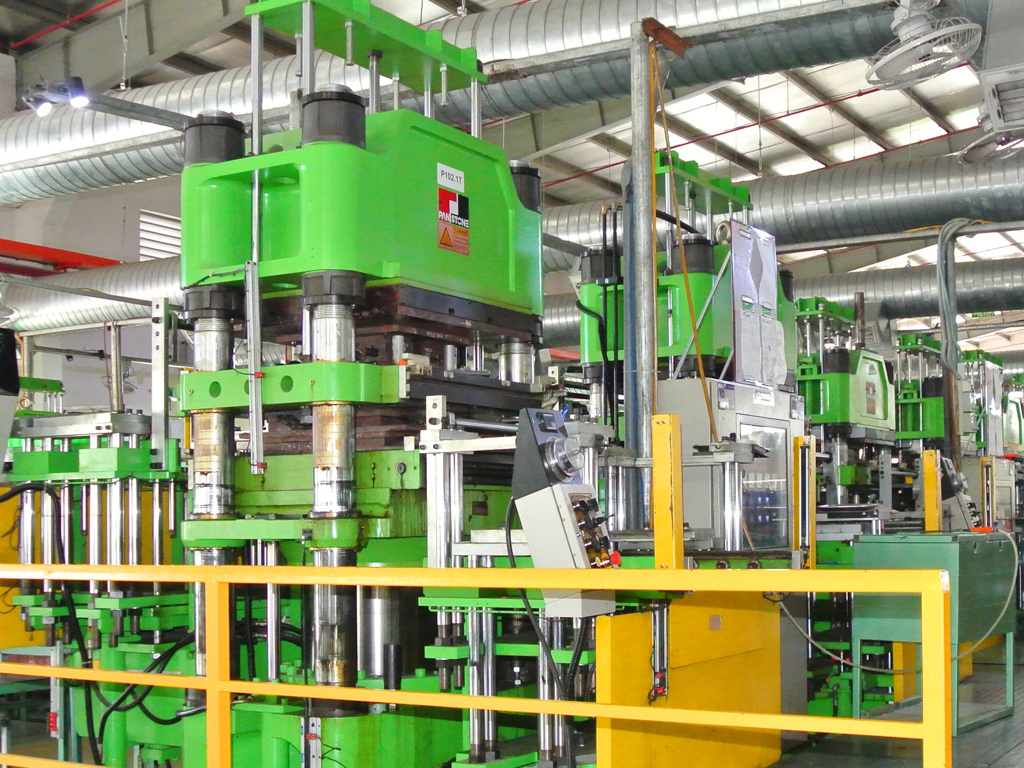
Rubber molds are the foundation of the entire technical rubber product manufacturing chain. Proper investment in mold design and manufacturing ensures product quality and optimizes long-term production time and costs. Thái Dương Plastics offers custom rubber mold manufacturing services, supporting clients from design through to final production.
See also: Custom Industrial Rubber Molding