


PA6 plastic, also called Nylon 6 in the polyamide family, is a widely used engineering thermoplastic thanks to its high mechanical strength, good wear resistance, stable heat performance, and effective electrical insulation. In the article below, Thai Duong Plastics provides an overview of PA6-its structure, properties, processing parameters, and real-world applications.
Detailed Information About PA6
PA6 is a thermoplastic polyamide synthesized from caprolactam. Each repeating unit contains six carbon atoms, hence the name PA6. With a medium level of crystallinity, the material offers a good balance of strength, toughness, and processability. PA6 is widely commercialized as pellets for injection molding, extrusion, blow molding, etc., and as fibers for textiles.

Key Properties of PA6
Below are common questions with brief answers to give you a fuller view of PA6’s standout characteristics before choosing this material:
- What temperatures can PA6 withstand?
PA6 has a melting point of about 220 – 230 °C. In service, it typically works continuously up to roughly 80 – 120 °C depending on grade, load, and duration. For short periods, higher temperatures are possible, but thermal aging should be evaluated to ensure durability.
- Is PA6 durable and wear-resistant?
PA6 combines high tensile strength and toughness with a low coefficient of friction, giving excellent wear resistance. In gears, bushings, eyelets, and similar applications, it helps mitigate brittle failure and extends service life.
- Does PA6 provide good electrical insulation?
PA6 is a good electrical insulator and is widely used in electrical and electronic parts. However, because it absorbs moisture, its resistivity can decrease in humid environments, so designs should account for this.
- Is PA6 chemically resistant?
PA6 resists oils, greases, fuels, many organic solvents, and alkalis well. Its weakness is strong acids (e.g., HCl, H2SO4), so it should not be used for high-concentration acid contact.
- Is PA6 easy to process?
PA6 flows well and is easy to injection mold and extrude. Many modified grades exist (glass-reinforced, impact-modified, flame-retardant, etc.). It also takes color readily and yields stable, glossy surfaces, suiting both technical parts and consumer products.
See also: Notes on injection molding Nylon
- Is PA6 hazardous?
PA6 is considered safe, contains no BPA, and can be used in food-contact applications when the correct certified grade is selected. During processing, follow chemical safety rules and ensure good ventilation to avoid thermal-decomposition fumes.
PA6 vs. PA66
PA6 and PA66 are both common polyamides but differ in notable ways. PA6 has a lower melting point (220 – 230 °C), is tougher with a glossier surface, is easier to process, and is generally less expensive-though it absorbs more moisture and thus has lower dimensional stability. PA66 melts higher (260 – 265 °C), is stiffer with superior tensile strength, offers better heat resistance and dimensional stability, but costs more and is tougher to process.

How much does PA6 cost?
PA6 pricing varies by type (virgin, recycled, glass-fiber reinforced, flame-retardant, etc.), brand, and order conditions, but is generally lower than PA66. Glass-fiber-reinforced PA6 is typically higher than unfilled PA6 by about 1 – 50% depending on supplier; recycled pellets are cheaper but less consistent in properties. For accurate quotes, contact suppliers with the required grade, color, and volume so they can advise and provide appropriate samples.
Common PA6 Applications
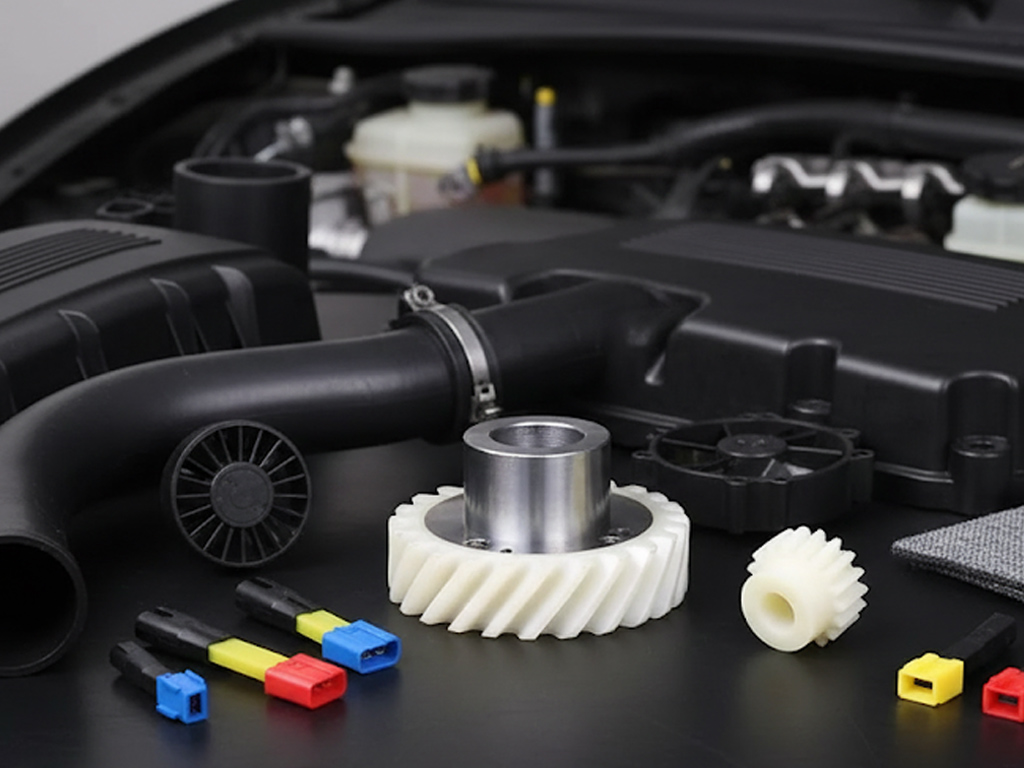
PA6 is used for air ducts, air-filter housings, fans, covers, connectors, interior parts, etc., offering good resistance to oils and fuels, low weight, noise reduction, and wear resistance in moving mechanisms:
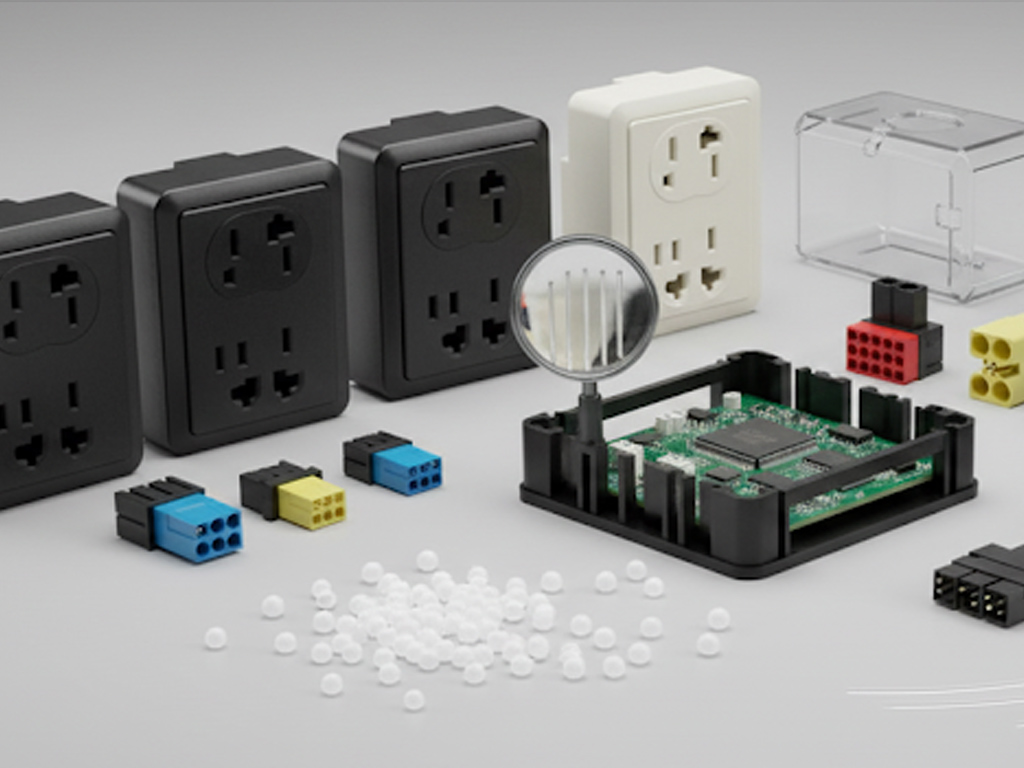
PA6 insulates well, is easy to mold into thin-walled ribbed parts, and can reach flame-retardant ratings with additives, so it is used for component housings, outlets, plugs, frames, and protective covers:
Gears, pulleys, rollers, plain bearings, and sleeves made from PA6 offer low friction, good wear resistance, quiet running, and can be glass-reinforced to increase stiffness and load capacity:

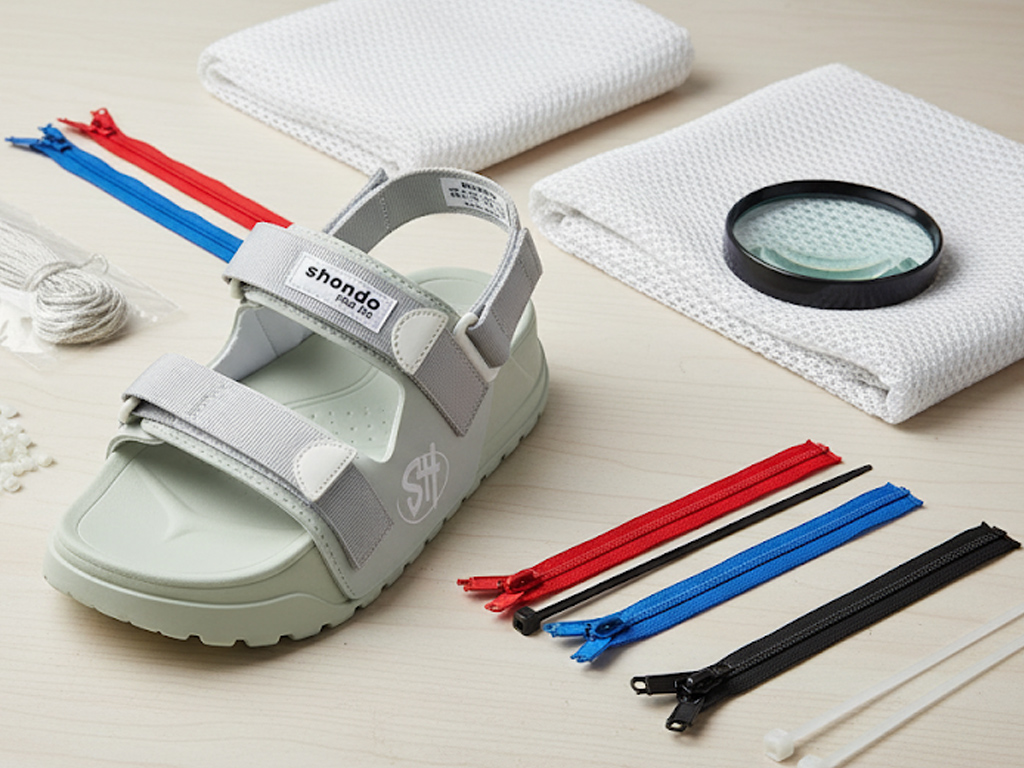
The tensile strength and abrasion resistance of PA6 keep items like zippers, cable ties, eyelets, fishing line, nets, and textile fibers durable in humid, repetitive-friction environments:
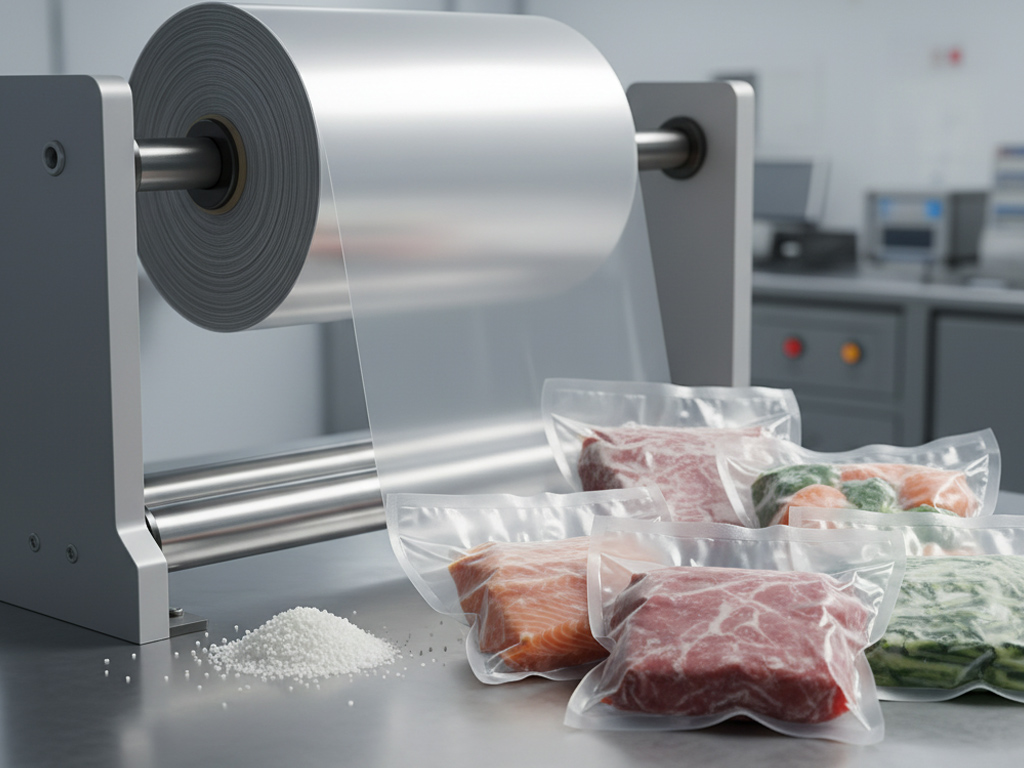
PA6 films are laminated with PE for vacuum packaging and frozen-food pouches. When the proper grade is used, the material provides strong mechanical barriers and is food-contact safe:
Reference Processing Parameters for Injection Molding PA6
The following PA6 processing settings are for reference. Exact values must be tuned to the supplier’s grade and part requirements:
- Dry pellets at 80 – 100 °C for 4 – 6 hours to reduce moisture. For high-precision parts, use a desiccant dryer.
- Set melt temperature around 230 – 280 °C depending on grade and wall thickness.
- Mold temperature is typically 60 – 90 °C. For thin, large-area parts, favor higher mold temperatures to raise crystallinity and mechanical stability.
- Injection/hold pressure depends on part and mold geometry. Thanks to good flow, PA6 fills readily under pressure.

Property Tailoring Options for PA6
Producers commonly fine-tune properties to meet specific requirements:
- Glass-fiber reinforcement: Significantly raises stiffness and tensile strength and reduces thermal distortion; suited to high-load, high-temperature parts.
- Mineral filling: Improves stiffness, dimensional stability, and resistance to warpage.
- Impact modification: Adds elastomers to boost low-temperature impact strength.
- Flame retardancy: Additives enable relevant flammability ratings for electrical and automotive uses.
- UV stabilization and antioxidants: Extend outdoor life and color retention.
PA6 balances strength, toughness, wear resistance, and processability, and is widely adopted across industries. To achieve consistent production results, pay close attention to drying, moisture control, and selecting the right grade. If you are researching plastics or a reliable partner for custom plastic product manufacturing, contact Thai Duong Plastics for professional support.
Continue with: What is TPV? Properties, Advantages, and Applications