

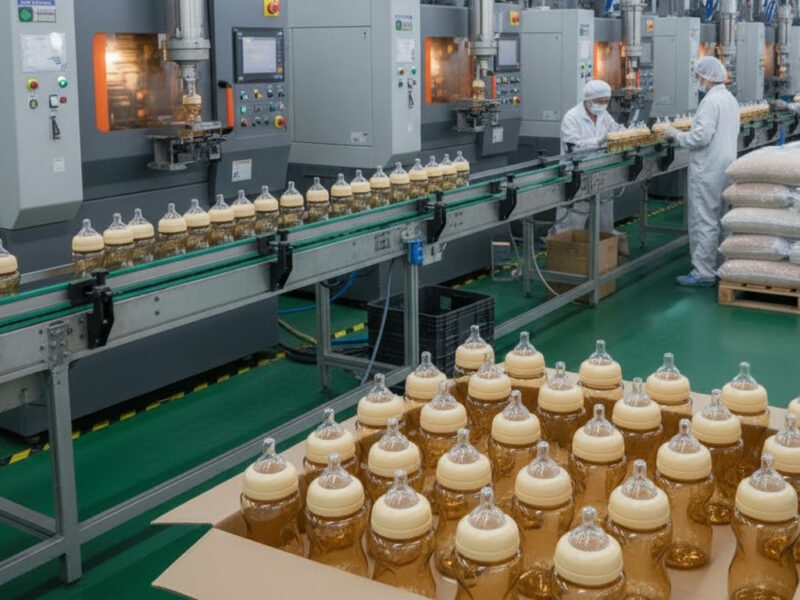
PPSU plastic has been gaining popularity in the production of premium products thanks to its heat resistance, outstanding durability, and high level of safety. Still, many people wonder what PPSU actually is and whether it is truly good for human health. In this article, Thai Duong Plastics will explain the properties, advantages and disadvantages, and safety profile of this advanced material.
What is PPSU plastic?
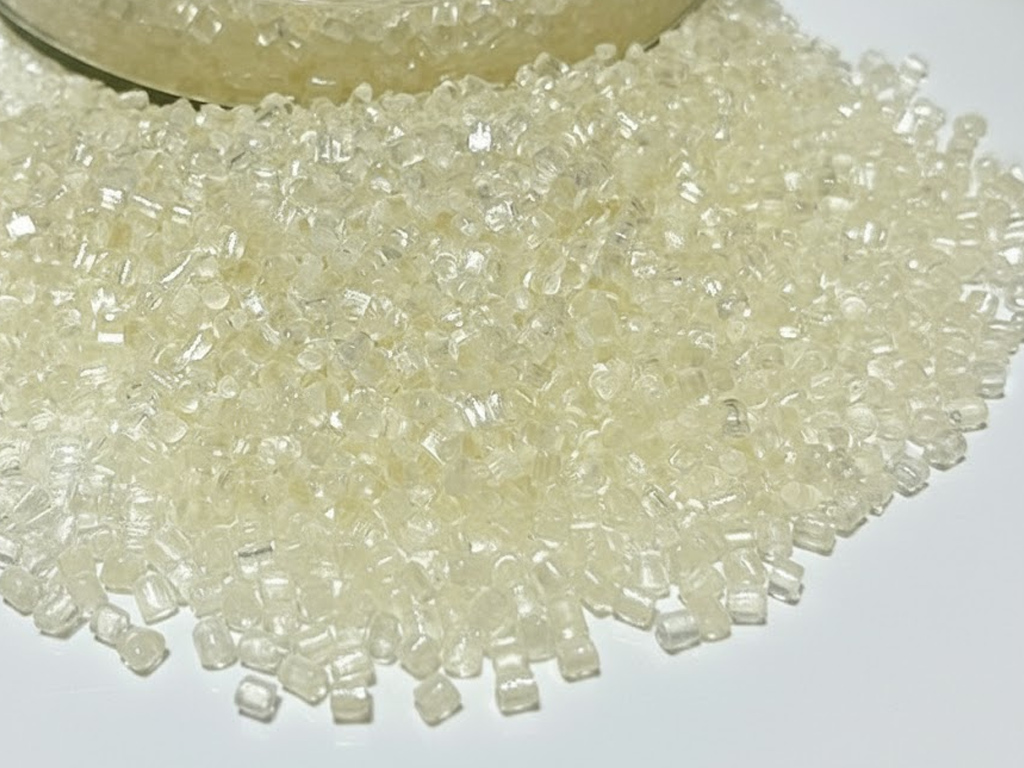
PPSU stands for Polyphenylsulfone, a high-performance engineering plastic. It is an amorphous polymer whose backbone contains strong sulfone (–SO₂–) and ether (–O–) linkages, giving the material exceptional thermal and mechanical stability. Thanks to this specific chemical structure, PPSU can withstand very high temperatures-up to around 200 – 207 °C without deforming, discoloring, or releasing harmful substances.
In addition, PPSU offers excellent mechanical strength, impact resistance, and chemical resistance, and it is unaffected by repeated sterilization using steam or UV light. For these reasons, it is widely used in medical, food-contact, premium consumer goods, and other applications that demand safe materials with high heat resistance and long service life.
Advantages and disadvantages of PPSU
Below are the key advantages that make PPSU so popular in manufacturing:
- High safety: PPSU contains no BPA, does not generate toxins at elevated temperatures, and has been certified by the U.S. FDA for safe use in food and medical applications.
- Outstanding heat resistance: PPSU tolerates temperatures above 200 °C and can be sterilized by steam or boiling water and used in microwave ovens without deformation.
- High strength and dimensional stability: The material resists cracking and scratching and withstands high mechanical loads, increasing product lifespan.
- Chemical resistance and odor resistance: PPSU resists acids, bases, and mild solvents and does not retain food odors, keeping products clean and easy to sanitize.
- Good hygiene characteristics: Its smooth surface is less prone to soiling and inhibits bacterial and mold growth, supporting food-safety hygiene.
Alongside these advantages, PPSU has several limitations to consider:
- Higher cost: Production and injection molding of PPSU are more complex, and the raw material is significantly more expensive than common plastics like PP or Tritan, increasing finished-product cost.
- Not yet ubiquitous: Due to higher costs and technical requirements, PPSU is primarily used in premium goods, medical devices, and specialized products rather than mass-market items.
So, is PPSU safe?
According to international research and certifications, PPSU is completely safe for human health, including for infants and young children. It contains none of the compounds known to disrupt hormones or harm health, such as BPA, BPS, or phthalates. Importantly, even at high temperatures, PPSU does not degrade or release toxic substances. As a result, PPSU products can be sterilized, used to hold hot foods and liquids, or come into direct contact with boiling water while maintaining a high safety margin.
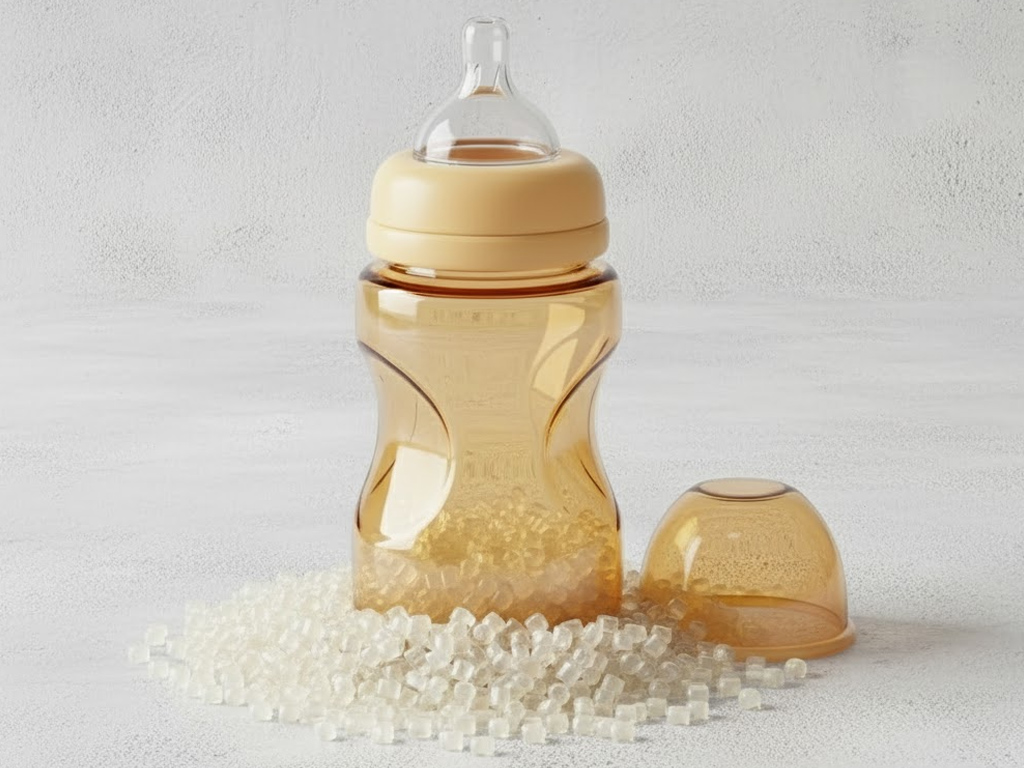
Thanks to its chemical and mechanical stability and hygienic surface, PPSU is used not only in medical applications but also in daily life-food containers, water bottles, baby bottles, kitchenware, and sports equipment. In industry, PPSU is also used in aerospace, automotive, and electronics components because of its heat resistance and resistance to deformation.
How does PPSU compare with other plastics?
Compared with common plastics such as Tritan or PP plastics, PPSU is far superior in durability, heat resistance, and safety. While Tritan typically withstands only about 100 – 110 °C, PPSU can tolerate temperatures above 200 °C without deformation or releasing harmful substances. PP is lighter and less expensive but scratches more easily, has lower heat resistance, and lacks the high transparency of PPSU.
PPSU also offers better chemical resistance, hygiene, and odor resistance than many conventional plastics, helping products stay durable, clean, and “like new” for longer. Although it is more expensive and not as widely used as Tritan or PP, PPSU is considered a top-tier plastic for applications demanding both safety and durability in medical and food-contact products.
PPSU products are often a pale yellow or smoky amber color, unlike PP or Tritan, which are typically fully transparent. Product bodies are commonly marked “PPSU” or the resin code [#PPSU] for easy identification. To extend service life, avoid vigorous scrubbing with hard tools that may scratch the surface; instead, clean with warm water and a mild detergent.
Read more: What Is PA6 Plastic and Key Information You Should Know
Is PPSU environmentally friendly?
PPSU is not a biodegradable plastic; however, in terms of sustainability and service life, it can be more environmentally friendly than many conventional plastics. Its exceptional durability means products are less likely to crack or fail, extending replacement cycles and reducing plastic waste.
Moreover, PPSU is recyclable and does not release toxic gases under standard industrial molding or incineration conditions. Manufacturers are increasingly adopting modern processing methods that reduce carbon emissions and save energy during production. Therefore, although not naturally degradable like bioplastics, PPSU is considered a safe and relatively eco-friendly material among today’s high-performance engineering plastics.
PPSU is a premium material noted for its durability, heat resistance, and excellent safety. Because it is BPA-free and resists degradation at high temperatures, PPSU is an optimal choice for products that come into direct contact with food and with the human body. If you are seeking a material that is durable, safe, and long-lasting, PPSU is a highly reliable option.