


Plastics are commonly classified based on three main criteria: thermal behavior, feedstock origin, and the Resin Identification Code (RIC). In this article, Thai Duong Plastics will help you better understand key characteristics, applications, and how to choose the most suitable plastic for your needs.
Classifying Plastics by Thermal Behavior
This is the most fundamental classification method, dividing plastics into two major groups: thermoplastics and thermosets:
Thermoplastics
Thermoplastics soften when heated and harden when cooled. This cycle can be repeated many times without changing the material’s chemical structure. As a result, they are easier to recycle, easier to process, and can be used across a wide range of industries.
| Symbol | Full name | Common applications |
| PE | Polyethylene | Plastic bags, food wrap films, plastic jerrycans |
| PP | Polypropylene | Plastic containers, bottle caps, household goods |
| PVC | Polyvinyl Chloride | Water pipes, electrical cables, construction materials |
| PS | Polystyrene | Plastic cups, foam boxes, insulation materials |
| PET | Polyethylene Terephthalate | Water bottles, textile fibers, food packaging |
The biggest advantages of thermoplastics are flexibility and high recyclability. They can be shaped using many processing methods. However, thermoplastics have limitations in heat resistance and may deform when exposed to high temperatures.
Some special variants such as ABS plastic, PC, etc. are classified as engineering thermoplastics because they offer superior hardness, durability, and impact resistance. They are commonly used in electronics, automotive parts, and safety helmets.

Thermosets
Thermosets differ from thermoplastics in that they can be molded only once. When heated or reacted with a catalyst, polymer molecules cross-link, forming a strong, rigid, and stable structure. After curing, they cannot be melted again.
| Symbol | Full name | Common applications |
| Bakelite | Phenol-formaldehyde resin | Electrical insulators, pot handles, electrical equipment |
| Epoxy | Epoxy resin | Adhesives, coatings, composite materials, industrial flooring |
| Melamine | Melamine-formaldehyde | Household items, tabletops, decorative materials |
| UF | Urea-formaldehyde | Wood glue, pressed boards, furniture |
Thermosets offer high mechanical and chemical strength, excellent heat resistance, and do not deform under harsh conditions. However, because of their stable molecular structure, they are difficult or impossible to recycle using conventional methods.
Classifying Plastics by Feedstock Origin
Advancements in technology and growing environmental awareness have diversified plastic feedstocks. Today, there are two main groups: petroleum-based synthetic plastics and bioplastics.
Petroleum-based synthetic plastics
This is the most traditional and widely used type of plastic, synthesized from hydrocarbons found in petroleum or natural gas through chemical reactions. Familiar plastics such as PE, PP, PVC, PS, PET, etc. account for most global demand.
Synthetic plastics are low-cost, easy to mass-produce, and highly durable. However, they do not biodegrade naturally, creating major environmental pressure if not properly managed or recycled.
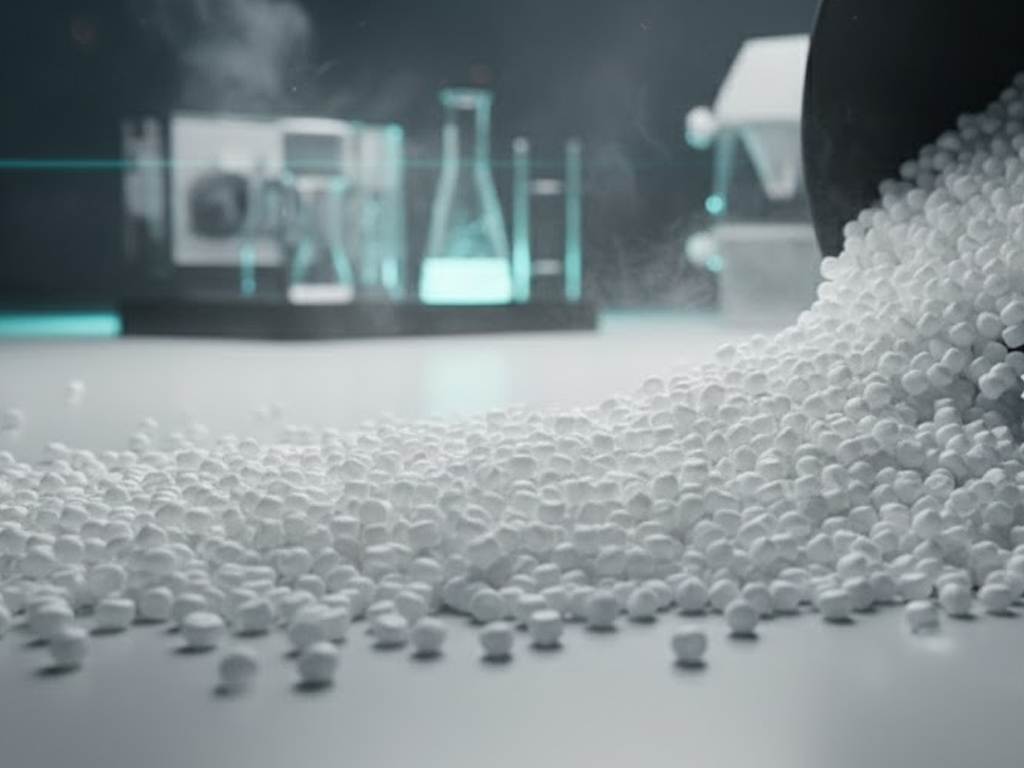
Bioplastics
Bioplastics are a newer generation of plastics produced from renewable resources such as corn starch, sugarcane, and cellulose. Some types can biodegrade in natural environments, helping reduce plastic waste and negative impacts on ecosystems.
Typical bioplastics include:
- PLA (Polylactic Acid): Made from corn or cassava starch; commonly used for food packaging and single-use cups.
- PHA (Polyhydroxyalkanoate): Naturally produced by bacteria; biodegrades relatively quickly in water and soil.
- PBS (Polybutylene Succinate): Has flexibility similar to PE plastic but is more environmentally friendly.
Although bioplastics are still relatively expensive, sustainability trends and policies aimed at reducing conventional plastics are driving strong growth in this sector.
Classifying Plastics by the Resin Identification Code (RIC)
The RIC system was introduced by the Plastics Industry Association in 1988 to support sorting and recycling. Each plastic product carries a number from 1 to 7 inside a triangular symbol, helping identify the specific material type.
| RIC code | Symbol | Full name | Common applications |
| 1 | PET | Polyethylene Terephthalate | Food-safe, easy to recycle (water bottles, food packaging, etc.) |
| 2 | HDPE | High Density Polyethylene | High durability and stiffness (jerrycans, milk bottles, pipes, etc.) |
| 3 | PVC | Polyvinyl Chloride | Corrosion-resistant, good electrical insulation (water pipes, plastic doors, cables, etc.) |
| 4 | LDPE | Low Density Polyethylene | Highly flexible (plastic bags, wrap films, flexible tubing) |
| 5 | PP | Polypropylene | Good heat and chemical resistance (food containers, bottle caps, etc.) |
| 6 | PS | Polystyrene | Insulating and lightweight (foam boxes, plastic cups, insulation materials, etc.) |
| 7 | O (Other) | Other | A mixed group including PC, ABS, and bioplastics such as PLA. This is the most complex and hardest group to recycle. |
Correctly identifying and sorting plastics by RIC improves collection and recycling efficiency and helps reduce environmental pollution. Consumers can also use this code to understand which plastics are safer for food contact and which types should be limited for reuse.

Read more: What Is Plastic Made From? Everything You Need to Know About Plastics
How to Choose the Right Plastic Type for Each Application
To choose the right plastic, you should consider the intended use, physical properties, and technical requirements. Here are a few practical guidelines:
- Food packaging (direct contact): Prioritize PET, PP, HDPE, and LDPE (codes 1, 2, 4, 5) because they are generally safer, do not readily react with food, and offer moderate heat resistance.
- Construction/engineering materials: PVC is an optimal option thanks to its durability, corrosion resistance, and good electrical insulation.
- Engineering and mechanical products (load-bearing): Consider engineering plastics such as ABS and PC for high stiffness, impact resistance, and dimensional stability.
- Electrical equipment and heat-resistant materials: Choose thermosets such as Bakelite and Epoxy to ensure stability and strong insulation performance.
- Eco-friendly applications: Prefer bioplastics such as PLA, PHA, and PBS for packaging, single-use products, or biodegradable materials.

Plastics on the market today are highly diverse, and each type has its own properties and applications. Plastic classification helps businesses, engineers, and consumers understand material behavior to use plastics effectively and more responsibly toward the environment. Smart plastic use, proper recycling practices, and prioritizing bio-based materials are essential steps toward sustainable development in the future.
Read more: Common Plastics Used in Injection Molding