

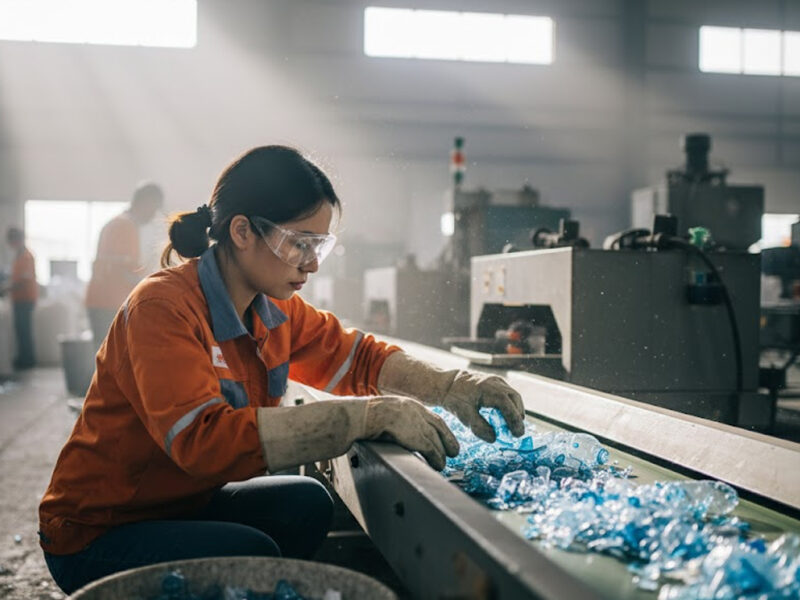
Is working in a plastics company hazardous, and what should you do to protect your health? In this article, Thai Duong Plastics helps you better understand the working environment in the plastics industry, potential risks, and essential protective measures.
How hazardous is the working environment in a plastics company?
The level of risk when working in a plastics company depends on production scale, the type of raw materials used, and the operating technology. Today, most plastics factories follow two main directions: processing virgin plastics and recycling plastic scrap through plastic fabrication/processing.
During production, plastics are melted at high temperatures, then shaped through injection molding, extrusion, and other processes. If ventilation and exhaust treatment systems do not meet standards, workers may be exposed to plastic fumes, solvent vapors, and fine plastic dust-potentially causing respiratory or skin irritation. In addition, machine noise and high temperatures in the workshop can also affect health if proper protection is not used.
In smaller businesses that have not invested in comprehensive environmental treatment systems, workers may face a higher risk of inhaling VOCs (volatile organic compounds) and airborne microplastic particles. In contrast, larger-scale companies with modern air filtration, dust extraction, and cooling systems can significantly reduce these impacts.

Factors that may harm health
Not all plastics are toxic, but certain production stages may carry risks:
- Plastic fumes and vapors: When plastics such as PVC, ABS, PS, etc. are heated, they may release volatile compounds such as styrene, formaldehyde, chlorine-containing gases, and other byproducts. Long-term exposure can cause fatigue, headaches, and irritation of the eyes and respiratory tract.
- Additives and solvents: Some plastics contain plasticizers or stabilizers (such as phthalates, BPA, etc.) that may affect the endocrine system if adequate protection is not in place.
- Dust and plastic particles: During grinding or mixing, fine plastic dust can become airborne, settle on the skin, or enter the lungs.
- Heat and noise: Injection molding and extrusion machines generate significant heat and noise, which may contribute to hearing loss if appropriate protective equipment is not used.
Some international studies indicate that when plastics are heated to excessively high temperatures, certain additives may break down and potentially generate dioxins or furans-compounds that can negatively affect the nervous and respiratory systems with frequent exposure. However, this risk can be fully controlled if the factory maintains recommended processing temperatures and uses compliant local exhaust/ventilation systems.
So, is working in a plastics company harmful?
It is not accurate to say that working in a plastics company is always harmful. The level of impact depends on production technology, safety procedures, and how strictly the company complies with them. Modern factories that meet ISO 14001 (environmental management) and ISO 45001 (occupational health and safety) typically implement strict control systems:
- Air circulation via automatic local exhaust/ventilation systems.
- Waste treated before being discharged into the environment.
- Clear separation between production areas and chemical storage zones.
- Workers provided with full protective equipment.
Conversely, in small workshops with limited technology investment, poor ventilation, or weak control of plastic fumes, workers may experience direct health effects.

What to pay attention to when working in a plastics company
To reduce risks and protect health, workers should keep the following in mind:
- Strictly follow machine operating procedures. Do not open the mold before the plastic has cooled, and do not touch freshly molded products directly.
- Use full personal protective equipment (PPE) such as gloves, masks/respirators, safety goggles, and earplugs to reduce exposure to fumes, dust, and noise.
- Keep the workplace clean and well-ventilated. Do not eat or drink in production areas, and clean regularly to prevent plastic dust buildup.
- Have periodic health checkups to monitor respiratory health, skin conditions, and hearing-so occupational issues can be detected early.
- Join occupational safety training to understand how to respond to incidents such as fires, chemical leaks, or machinery accidents.

Safety solutions from plastics companies
Working in a plastics company is not necessarily harmful if the production technology is well controlled and workers comply with safety procedures. Risks mainly arise when protective equipment is insufficient or when working conditions do not meet standards. To ensure a safe working environment, businesses should invest in clean technologies, apply closed-loop production processes, and regularly monitor indoor air quality in the workshop.
Today, many reputable plastics companies in Vietnam are shifting strongly toward greener manufacturing with measures such as:
- Using compliant raw materials that do not contain harmful additives.
- Installing exhaust gas treatment and plastic dust filtration systems.
- Automating injection molding lines to reduce direct worker exposure.
- Training staff in occupational safety and health.
Companies in the plastics industry should maintain safe production practices, comply with technical standards, and provide adequate PPE for workers. Health risks typically arise only when plastics manufacturers use outdated technology, weak monitoring processes, and when workers’ self-protection awareness is not emphasized.
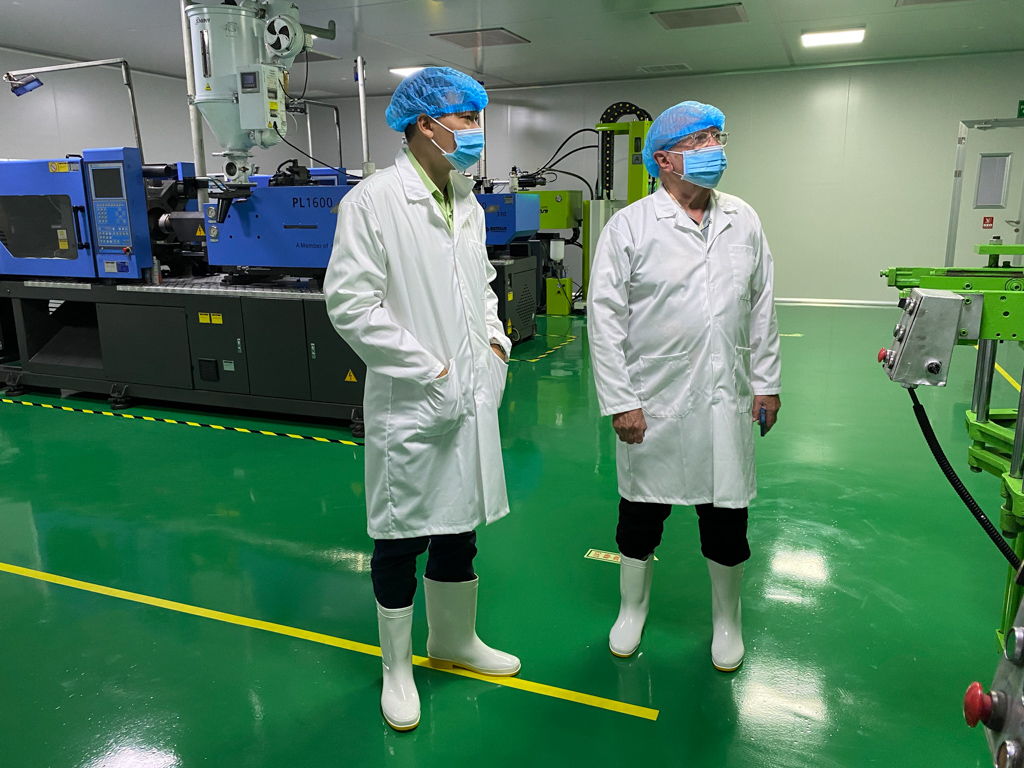
To work safely and sustainably in the plastics industry, each person should proactively protect their health, maintain industrial hygiene, and continuously improve their knowledge of occupational safety. When people, technology, and the environment are managed in sync, the plastics industry can develop in a more sustainable and health-friendly direction.
Reference: 11 plastics injection molding/fabrication companies in Vietnam