

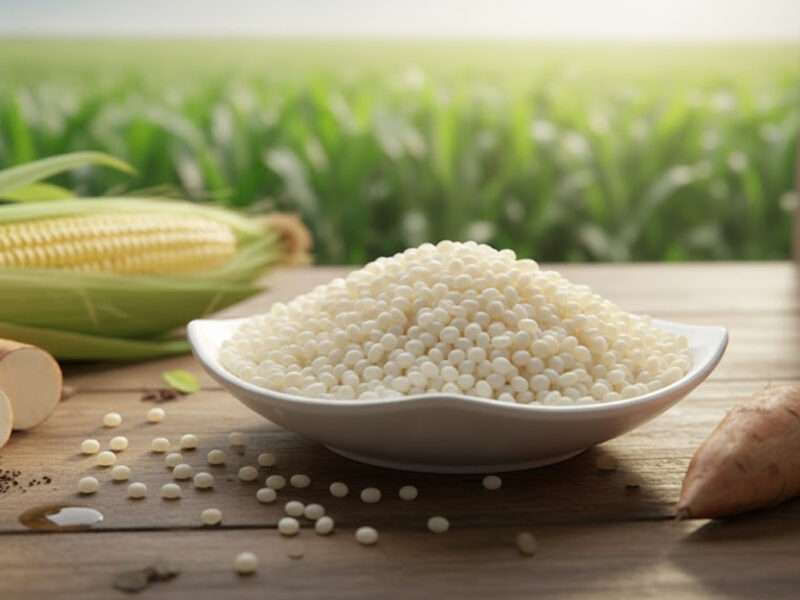
Bioplastics are becoming a new material trend in modern industry thanks to their environmental friendliness and potential to replace conventional plastics. As awareness of plastic pollution continues to grow, it is essential to understand the characteristics and role of this material in sustainable development. In the article below, Thai Duong Plastics will give you the most detailed overview of bioplastics.
What are bioplastics?
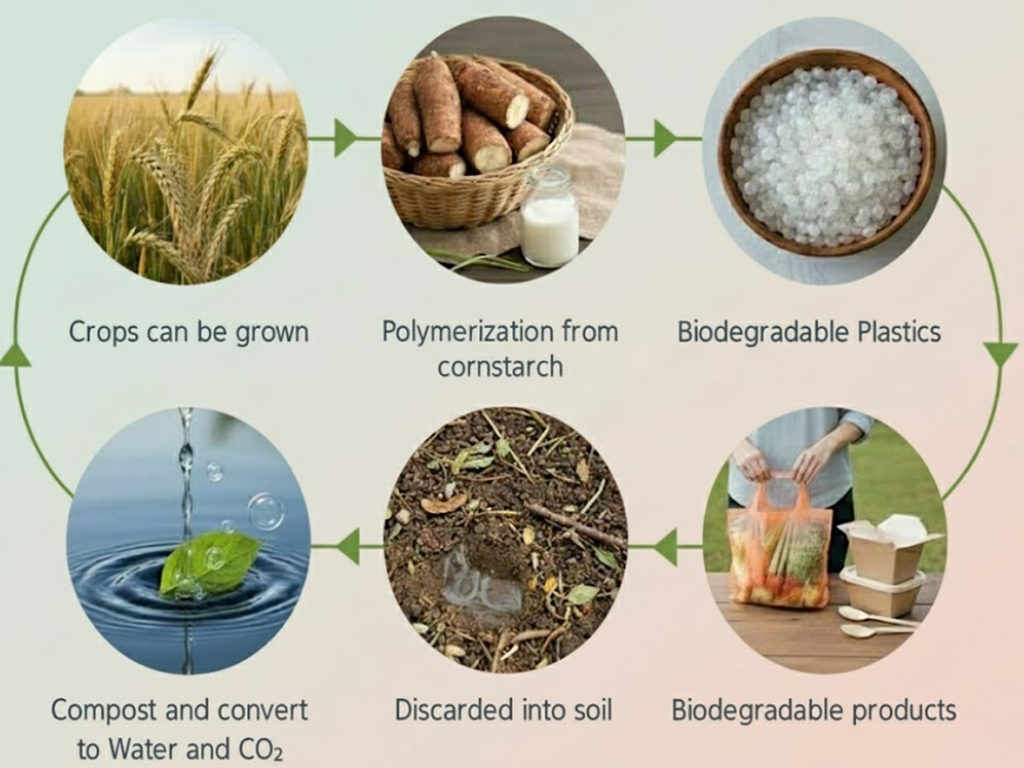
Bioplastics are plastics produced from renewable raw materials such as corn starch, cassava, sugarcane, vegetable oils, and agricultural by-products. Some types, typically PLA, are biodegradable, meaning they can be broken down by microorganisms into water, CO2, and biomass under suitable conditions. However, this process is usually only effective in industrial composting facilities, where temperature and humidity are strictly controlled, rather than decomposing completely on their own in soil or marine environments.
Unlike conventional petroleum-based plastics, bioplastics are considered a more sustainable alternative because they help reduce greenhouse gas emissions and limit the amount of plastic waste that persists in the environment. That said, not all bioplastics are naturally biodegradable. Some are bio-based but still retain the same physical and mechanical properties as traditional plastics. Understanding this distinction helps businesses select the right material for their objectives and usage requirements.
Environmental benefits of bioplastics
The development of bioplastics lies not only in technological advances but also in the environmental value they bring. Below are the key benefits of this material:
Biodegradability
Bioplastics can be decomposed by microorganisms into natural compounds without causing toxicity. Their degradation time is generally much shorter than that of conventional plastics. This significantly reduces the volume of plastic waste accumulating in soil and oceans.
Reduction of greenhouse gas emissions
Because they are produced from renewable resources, bioplastics help reduce CO2 emissions throughout the product life cycle. This is a critical factor in global emission reduction strategies and in moving toward a circular economy.
Conservation of fossil resources
Conventional plastics depend entirely on petroleum, whereas bioplastics utilize biomass that can be renewed annually. This substitution helps ease pressure on non-renewable resources and supports a more sustainable production model.
Reduction of long-term plastic waste
When collected and treated properly, bioplastics help significantly reduce hard-to-degrade waste. Products made from these materials also help raise public awareness of green consumption and environmental protection.
Common classifications of bioplastics today
Bioplastics come in many forms and are classified according to their origin and biodegradability. The main groups commonly used today include:
Bio-based plastics
This group includes materials such as Bio-PE, Bio-PP, Bio-PET, and others. They are produced from bio-based feedstocks (such as ethanol, sugarcane, etc.) but still retain the mechanical and physical properties of conventional plastics. Their advantages include recyclability, suitability for multiple applications, and compatibility with existing production systems.
Bio-based and biodegradable plastics
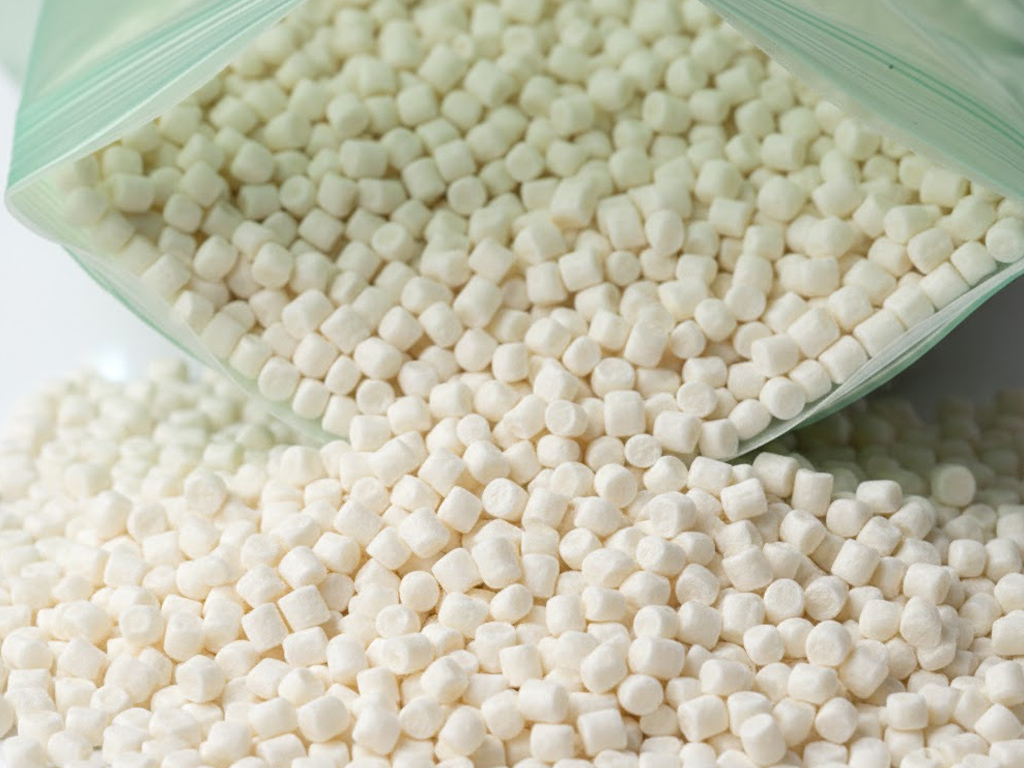
This is the most widely discussed group, with typical representatives such as PLA (Polylactic Acid), PHA (Polyhydroxyalkanoates), and TPS (Thermoplastic Starch). These materials can biodegrade under industrial composting conditions and are widely used in packaging, household products, and consumer goods.
Synthetic biodegradable plastics
This group comprises materials such as PBAT, PBS, and PCL, which are chemically synthesized yet still capable of biodegradation under suitable conditions. They are often blended with PLA to increase flexibility, toughness, and improve applicability.
Practical applications of bioplastics
Bioplastics are already being widely used in many fields thanks to their versatility and ability to replace conventional plastics:
Food packaging and foodservice items
This is the most common application area for bioplastics. Bags, cups, food containers, utensils, and similar items made from PLA and PBAT are gradually replacing hard-to-degrade plastic packaging. Using these materials helps businesses meet environmental standards and enhance their brand image.
Textile and electronics industries
Bioplastics are used to produce fibers, fabrics, bags, and certain electronic components. Thanks to their light weight, durability, and environmental friendliness, these materials fit the trend toward sustainable consumption in both fashion and technology.
Medical devices
Some bioplastics with good biocompatibility are used in medical applications such as absorbable sutures, fixation splints, and implantable materials. This opens up promising directions for safe, body-friendly biomedical products.
See also: Distinguishing types of plastics and how to identify them in everyday life
Potential and challenges of bioplastics in Vietnam
The Vietnamese plastics market consumes millions of tons of products each year, while bioplastics currently account for only a very small share of total consumption. This gap creates a major opportunity for domestic businesses to invest in green materials, meet the trend toward sustainable consumption, and comply with increasingly stringent environmental standards.
Vietnam has abundant agricultural resources such as corn, cassava, sugarcane, and coffee grounds. This is a favorable foundation for domestic production of bioplastic resins, helping reduce dependence on imported feedstock and moving toward a circular economy model. However, high production costs, a lack of comprehensive support policies, and limited dedicated systems for sorting and collecting waste remain key barriers to the development of this industry.
At present, because the systems for sorting and treating bioplastic waste in Vietnam are still limited, businesses should focus on two main material groups. The first is bio-based plastics, which can be recycled together with conventional plastics and are easier to apply in large-scale production. The second is bio-based and biodegradable plastics, but these must be accompanied by clear consumer guidance on collection points or appropriate composting conditions to ensure true environmental effectiveness.
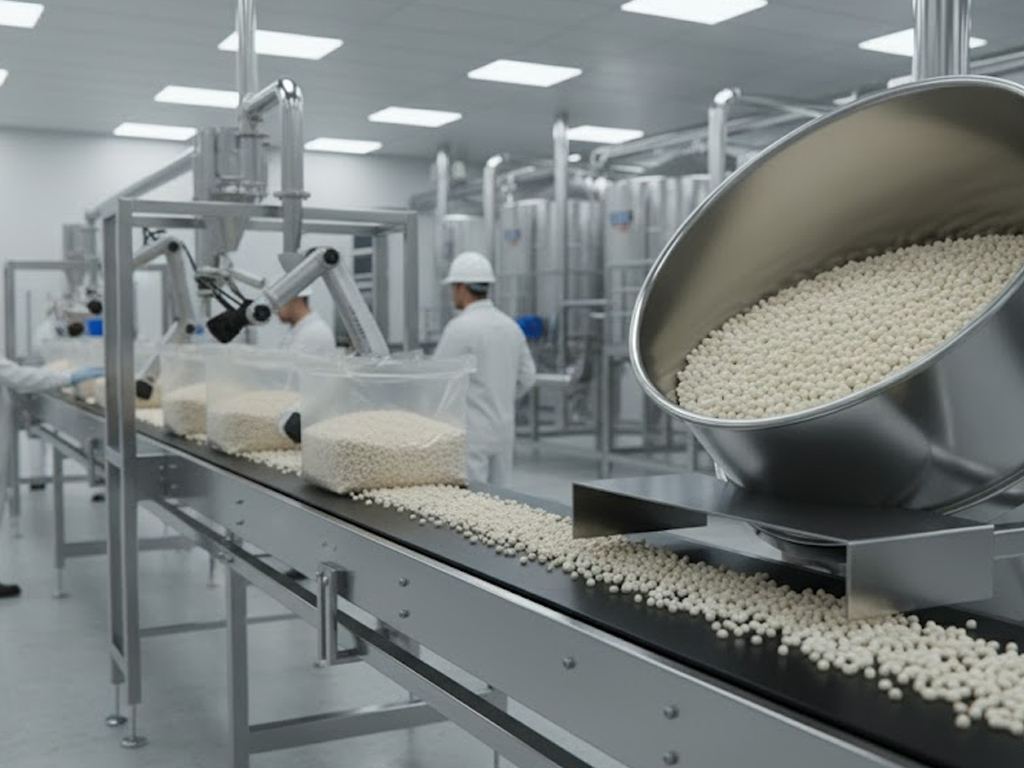
Bioplastics are an inevitable direction in strategies to reduce plastic pollution and build a sustainable manufacturing sector. With abundant raw material potential and rapidly growing demand from both domestic and international markets, Vietnam can absolutely become a regional leader in bioplastic development. When businesses, regulators, and consumers work together, bioplastics will move beyond being just a trend to become a practical solution for a greener and more sustainable future.
See also: Current development of Vietnam’s plastic injection molding industry