

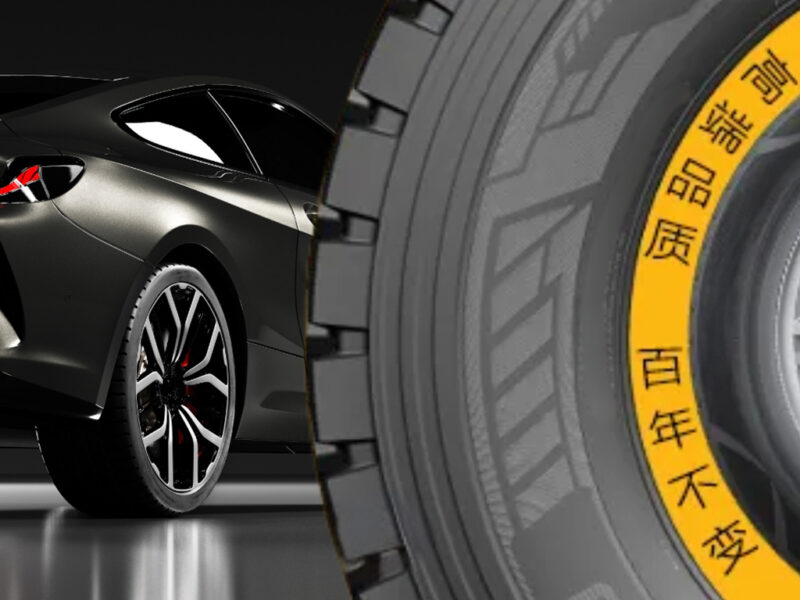
China is the world’s largest consumer of rubber and one of the most important import hubs for natural rubber. As industrial production continues to expand, the country relies heavily on raw material supplies from other Asian nations. Fluctuations in China’s rubber industry not only affect its domestic market but also directly influence the trade balance of rubber-exporting countries.
China’s Enormous Demand for Rubber
China’s domestic rubber output currently stands at only around 1.5 million tons per year-roughly one third of actual demand. This significant gap between supply and demand is driven by the rapid growth of the automotive industry, especially tire manufacturing for electric vehicles (EVs) and hybrid models. These products require rubber with consistent quality, higher durability, and better road grip than conventional tires. As a result, even though China has a relatively large rubber cultivation area, domestic supply still cannot meet the massive needs of its manufacturing sector.
To make up for the shortfall, China depends heavily on imports. In 2024, the country imported approximately 6.2 million tons of rubber with a total import value of over USD 9 billion. Among the largest suppliers, Thailand holds the leading position, followed by Vietnam and Malaysia. Vietnam in particular often ranks second, accounting for more than 16% of market share-highlighting its increasingly important role in supplying raw materials for China’s rubber and automotive industries.

Reference: The role and applications of rubber in the automotive industry
Price Volatility and Import Policies
In the second half of 2024, rubber prices in China saw sharp increases, at times reaching 14,000 CNY/ton (about USD 1,692/ton). This price level placed significant pressure on tire manufacturing and supporting industries. In response, the China Rubber Industry Association (CRIA) proposed that the government consider adjusting import tariffs from 20% down to 12% and expanding import quotas.
If such a policy is implemented, imports would likely increase, input costs would decline, and major exporters such as Vietnam and Thailand would gain opportunities to expand rubber exports to China.

Vietnam’s Position in China’s Rubber Market
Although China remains the largest consumer market, imports from Vietnam to China in 2024 still recorded certain fluctuations. In 2024, Vietnam’s rubber exports to China fell by about 20% in volume and 8% in value compared to 2023. The primary reasons include intensifying competition among suppliers and Chinese companies’ growing efforts to diversify their import sources.
However, a positive highlight is that the average export price from Vietnam to China remained high, rising by more than 25% compared to 2023. This indicates that the market is willing to pay more for products that meet stricter quality and standards requirements.

Development Trends in China’s Rubber Industry
In the coming period, China’s rubber industry will be shaped by three main factors:
- Automotive industry growth: China is the world’s largest electric vehicle market, with 2024 NEV sales exceeding 9 million units. Tires for EVs and hybrids require rubber with stable quality and advanced technical properties, driving continued strong growth in raw material demand.
- Import policies: Under pressure from domestic price increases, China is considering lowering import tariffs and expanding quotas. If adopted, this would boost imports and create new competitive dynamics for supplying countries.
- Sustainability standards: China is strengthening requirements for traceability and green development in line with global trends. Suppliers that want to maintain market share must meet stricter environmental standards and demonstrate more transparent supply chain management.

Opportunities and Challenges for Supplying Countries
China’s rubber industry remains a broad and attractive market for exporting countries. However, it also comes with challenges related to competition, tariff policies, and increasingly stringent sustainability requirements. Businesses supplying this market should focus on three key elements:
- Boosting exports of value-added, processed products rather than focusing only on raw materials can help companies increase value, meet diversified demand in China, and reduce price-based competitive pressure.
- Meeting traceability requirements and sustainability certifications is becoming mandatory, as stricter import regulations require suppliers to ensure supply chain transparency and compliance with environmental standards.
- Diversifying export markets while continuing to develop the China market is a necessary strategy-helping companies expand into other regions such as the EU, India, or the United States to reduce dependency risk and build long-term balance.
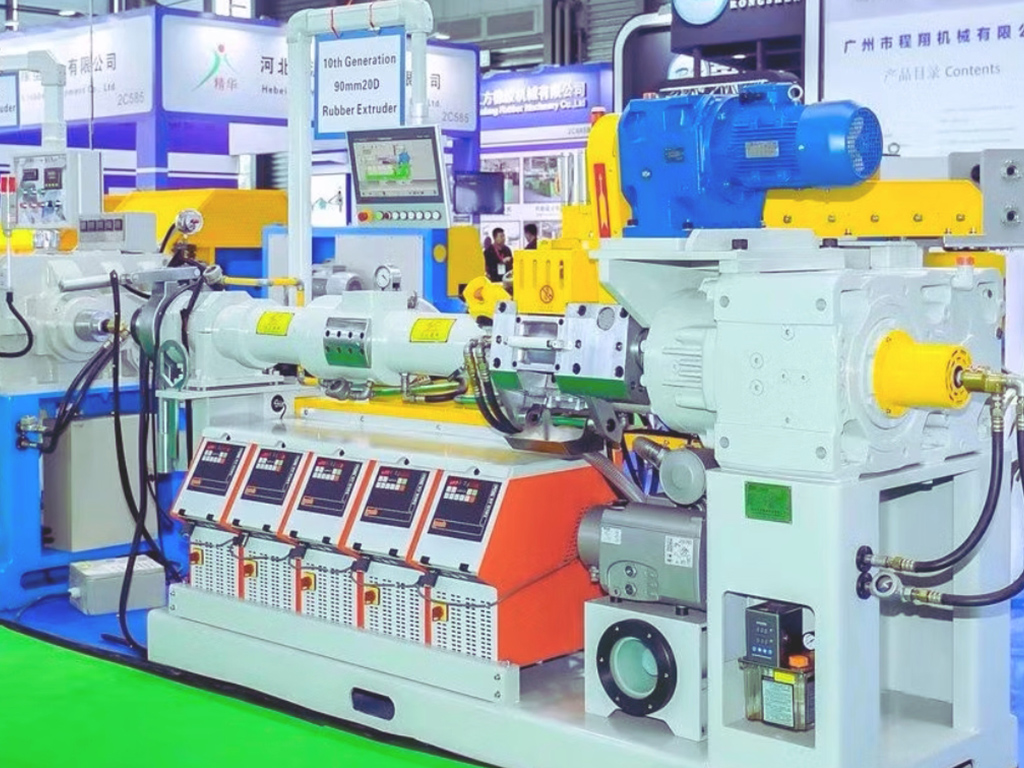
China’s rubber industry is a critical link in the global value chain, offering major opportunities while also posing challenges in competition and policy. For exporting countries such as Vietnam, closely monitoring market developments and meeting international standards will be the key to effective participation. If you need more information about the rubber industry in Vietnam and worldwide, please contact Thai Duong Plastics for support.
Read more: Applications of rubber in industry