

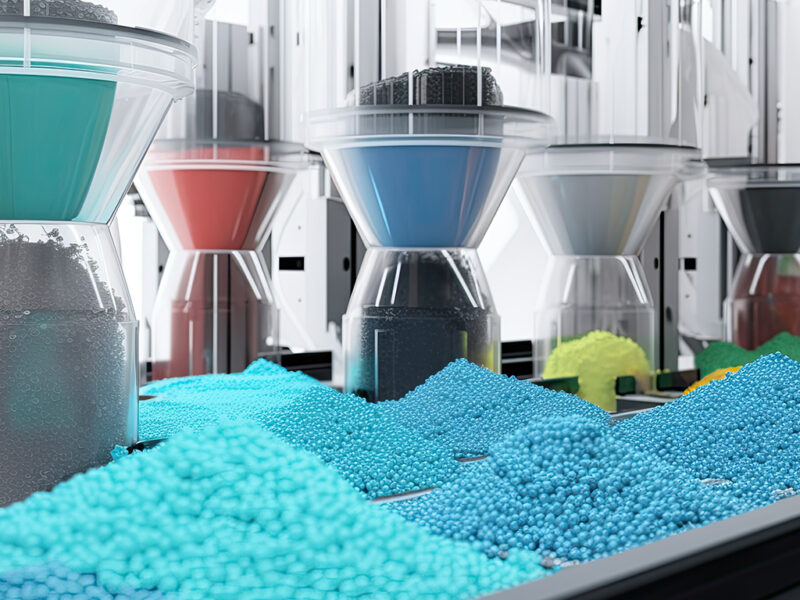
Plastic is an essential material playing a key role in numerous modern industries. Among various plastic processing methods, injection molding technology stands out due to its capability to produce highly precise and diversely shaped products. Depending on the specific product requirements, each type of plastic offers unique advantages. Thai Duong Plastics introduces you to the most popular plastics and their significant benefits in injection molding processes.
Acrylonitrile Butadiene Styrene (ABS)
Acrylonitrile Butadiene Styrene is a thermoplastic polymer known for its hardness, durability, impact resistance, and ease of processing. ABS exhibits excellent chemical resistance, high thermal stability, and easily paintable or plated surfaces, making it ideal for automotive parts, electronic casings, and household items. Combining the rigidity of acrylonitrile, toughness of butadiene, and glossy finish of styrene, ABS delivers outstanding performance in injection molding applications.
Polyoxymethylene (POM)
Polyoxymethylene, also known as Acetal, is an engineering plastic recognized for high stiffness, excellent abrasion resistance, and self-lubricating properties. With superior mechanical strength and chemical resistance, POM is widely utilized in automotive, electronics, and mechanical industries, particularly in gear systems, bearings, and precision components.

Polypropylene (PP)
Polypropylene is among the most commonly used plastics in injection molding due to its lightweight nature, durability, chemical resistance, and heat stability. PP features high flexibility and excellent strength, making it easily moldable into complex shapes. It is often employed in food packaging, automotive components, household items, and medical devices, offering cost-effectiveness and reliable performance.
Nylon (Polyamide – PA)
Nylon is extensively utilized in injection molding for its high mechanical strength, abrasion resistance, thermal stability, and chemical resistance. With exceptional rigidity and elasticity, Nylon suits high-load, high-friction applications, frequently used in gears, bearings, automotive parts, and industrial equipment requiring precision and durability.
Polystyrene (PS)
Polystyrene is a hard, lightweight, easily moldable plastic known for its electrical insulating properties, transparency, and affordability. PS provides moderate strength and is ideal for consumer electronics, packaging materials, food containers, medical devices, and toys, especially when aesthetics and cost-efficiency are priorities.
Polycarbonate (PC)
Polycarbonate is a premium plastic notable for transparency, extreme impact resistance, and high thermal stability. PC offers excellent chemical resistance, strength retention under severe conditions, and is extensively utilized for safety glasses, control panels, electronic components, medical devices, and automotive parts.
Polyethylene (PE)
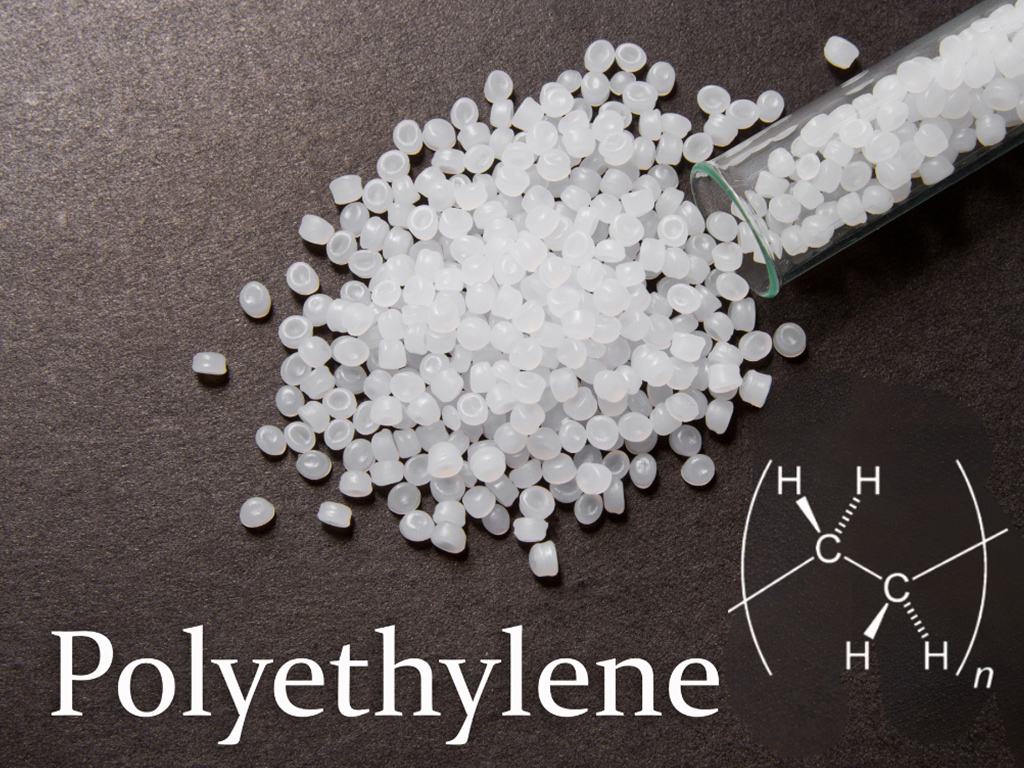
Polyethylene is widely employed in injection molding processes, renowned for durability, flexibility, chemical resistance, and excellent moisture barrier properties. Easily moldable into diverse shapes, PE finds applications in food packaging, plastic bags, pipes, and automotive components, delivering both high functionality and cost-efficiency.
Polyvinyl Chloride (PVC)
Polyvinyl Chloride is a versatile plastic widely utilized for its durability, chemical resistance, weatherproof characteristics, and economical production costs. PVC is easily moldable into various shapes and sizes, making it suitable for pipes, electrical cable insulation, construction materials, and flooring. Its versatility and cost-effectiveness make PVC a popular choice in injection molding and numerous industries.
Polyethylene Terephthalate (PET)
Polyethylene Terephthalate is commonly used in injection molding due to its strength, lightweight nature, chemical resistance, and recyclability. PET ensures high safety standards, good strength, and molding flexibility, ideal for durable products such as food packaging, beverage bottles, and technical components.
Each type of plastic mentioned provides distinct advantages, effectively addressing various production needs. Based on material properties and intended application, manufacturers can select the most suitable plastic to optimize efficiency, reduce costs, and maintain high-quality standards in injection molding.