


Rubber molding is one of the key manufacturing methods used to produce rubber components with stable shapes and high technical precision. In this article, Thai Duong Plastics provides detailed information about molded rubber and its practical applications.
What Is Rubber Molding?
Rubber molding is a process in which rubber materials are shaped by compressing or transferring them into a preformed mold. The material is first heated until it becomes pliable, then inserted into the mold, shaped, vulcanized, and cooled to form a finished product. Molded rubber parts offer high dimensional accuracy, excellent physical stability, and design flexibility to meet diverse functional requirements.

Key Advantages of Molded Rubber Products
Molded rubber offers several technical and economic benefits. First, it enables precise shaping, meeting strict dimensional and geometric requirements. Second, depending on the material used, it can provide excellent mechanical strength, heat resistance, abrasion resistance, electrical insulation, and chemical resistance. Additionally, once the process is standardized, molded rubber parts can be mass-produced cost-effectively and with short lead times.
Common Materials Used in Rubber Molding
Typical rubber materials used in molding include natural rubber (NR) for elasticity, nitrile rubber (NBR) for oil resistance, styrene-butadiene rubber (SBR) for abrasion resistance, silicone for high-heat applications, EPDM for weather resistance, and fluoroelastomer (FKM) for chemical resistance. Material selection depends on the product’s working environment and technical requirements.
Most Common Rubber Molding Methods
Rubber molding can be performed using various methods depending on product specifications. Below are the five most common rubber molding techniques:
Compression Molding
Preheated rubber is placed into a heated mold cavity, which is then compressed to shape the part. This method is often used for large, simple parts in medium- to high-volume production. It offers low tooling costs but has a longer cycle time compared to other methods.

Transfer Molding
Material is placed in a transfer chamber and forced into the mold cavity under high pressure. This method accommodates more complex parts and improves uniformity while minimizing internal voids.
Injection Molding
Rubber is melted in an injection unit and injected directly into the mold through a nozzle system. This modern, highly automated method is ideal for producing large volumes of precision parts with short cycle times.
Read more: Rubber Injection Molding: How It Works, Benefits, and Applications
Vacuum Compression Molding
A variation of compression molding performed in a vacuum environment. Removing air before molding prevents air pockets, improving surface finish and uniformity. Commonly used for tight-sealing parts like gaskets and rubber seals.
Vacuum Injection Molding
A hybrid method combining injection molding with vacuum technology. The process occurs in a fully air-evacuated environment, ensuring excellent accuracy and consistency—especially suitable for small, precision parts in medical, electronics, and high-tech applications.
Practical Applications of Molded Rubber
Molded rubber is used across various industries thanks to its flexibility and customizable design:
- Automotive: Used to manufacture gaskets, seals, hoses, shock absorbers, and technical components.
- Industrial Equipment: Applied in insulation parts, anti-vibration pads, washers, and components requiring corrosion and oil resistance.
- Medical Field: Clean-room molded rubber products like silicone parts meet strict biocompatibility and hygiene standards.
When to Choose Molded Rubber Products
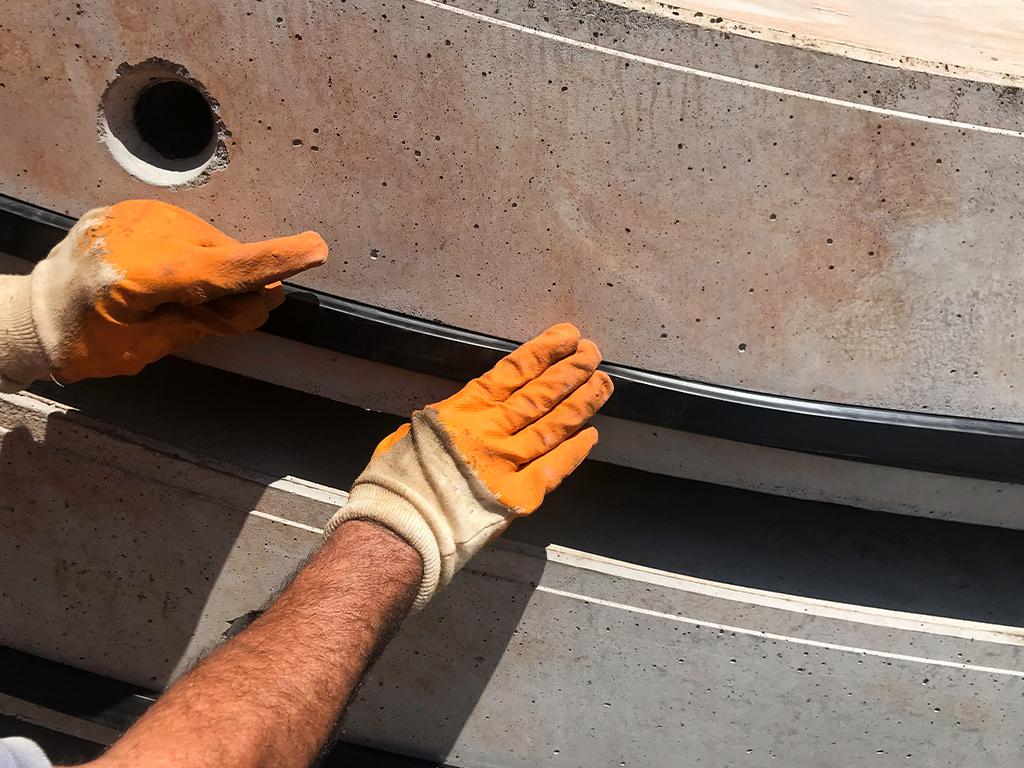
Molded rubber is the optimal choice when a product requires high technical precision in shape, accuracy, and physical properties. It is especially suited for high-volume production or when consistency between parts is critical. This solution is also ideal for producing complex-shaped technical components that cannot be achieved with conventional processing methods.
Factors Affecting the Quality of Molded Rubber Products
Several technical factors must be tightly controlled to ensure quality molded rubber parts:
- Accurate Mold Design: Ensures final product shape and dimensions meet specifications.
- Rubber Material Quality: Viscosity, cure rate, and purity must be verified before molding.
- Post-Mold Cooling: Affects mechanical properties and final dimensions.
- Vulcanization Temperature and Time: Must be optimized for each rubber type to avoid issues like scorching, blistering, or under-curing.
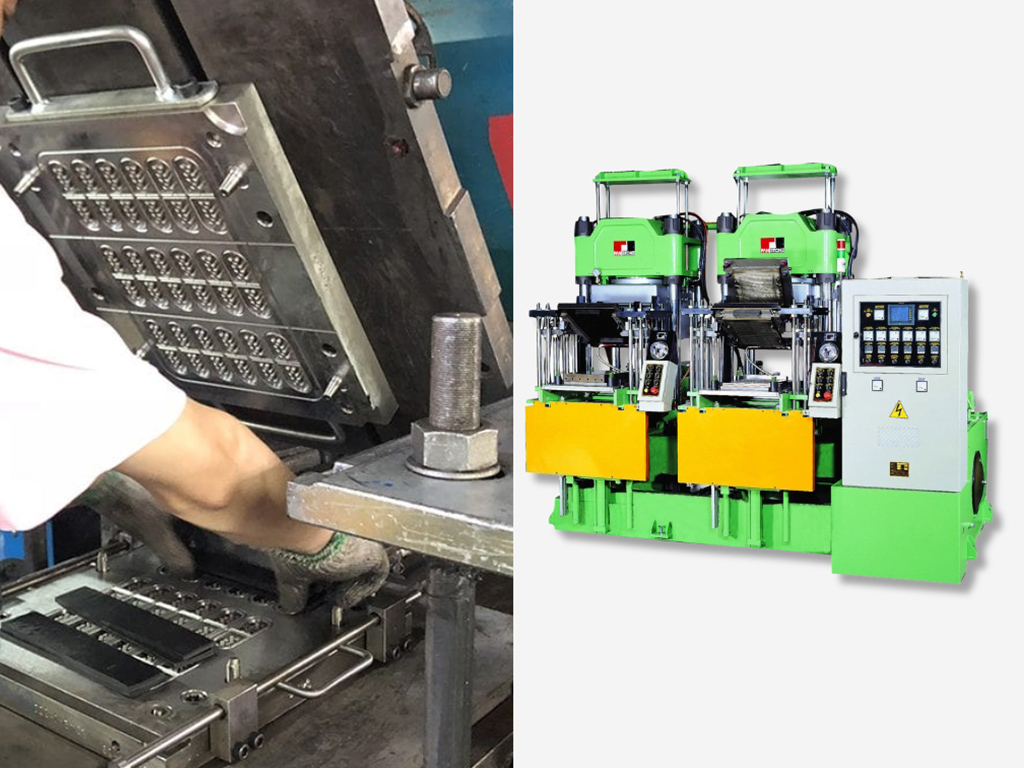
Molded rubber meets stringent demands for shape, durability, and performance in technical applications. Choosing the right molding method, appropriate materials, and closely monitoring the production process are key to achieving high product quality. If you’re looking for custom rubber molding solutions, Thai Duong Plastics is ready to offer expert consultation and support.
See also: Trusted Technical Rubber Manufacturer