

In food processing and packaging lines, accessories such as gaskets, seals, washers, flexible hoses, plugs, diaphragms, and similar components are often direct contact points with the product. Choosing the wrong rubber material can cause odor, chemical migration (leaching), rapid aging during CIP cleaning, leakage, and other issues-ultimately increasing food-safety risks. In this article, Thai Duong Plastics shares commonly used rubber materials that meet FDA food-contact requirements, explains how they help ensure safety, and provides selection guidance based on operating conditions so businesses can make accurate decisions.
What is FDA rubber?
FDA rubber refers to rubber materials manufactured to meet food-contact safety requirements issued by the U.S. Food and Drug Administration (FDA). In the food industry, FDA-compliant rubber typically needs to comply with regulations under the U.S. Code of Federal Regulations (CFR), especially the standards that apply to materials intended for direct or indirect contact with food and beverages.
An important point to note is that the FDA does not approve compliance based on a generic material name such as silicone or EPDM. Compliance depends on the specific rubber formulation-such as the base polymer, additives, colorants, curing system, and the ability to control migration/extractables-within allowable limits. Therefore, two products that are both labeled EPDM can still differ completely in their suitability for food processing.
Why should you use rubber that meets FDA requirements?
Using rubber materials that meet FDA requirements delivers practical benefits for food manufacturers:
- Product safety assurance: FDA-compliant rubber is formulated to be odorless, tasteless, and not release harmful substances into food during operation.
- Regulatory and quality-compliance support: Many factories, customers, and distribution systems clearly require food-contact materials-especially for export products.
- Process stability: The right rubber helps gaskets and seals maintain tightness, reduces premature failures, and minimizes downtime risks caused by material-related issues.
Technical criteria for rubber used in the food industry
To evaluate whether an FDA-grade rubber material is suitable for food-processing accessories, it should be analyzed across the following criteria groups:
Food-contact safety criteria
- Non-toxic, odorless, tasteless.
- Migration/extractables limits within allowable thresholds.
- Does not promote microbial buildup.
- Suitable for direct/indirect contact as intended by design.
Operating-environment criteria
- Continuous operating temperature and thermal spikes.
- Resistance to animal and vegetable oils/greases.
- Resistance to hot water and steam.
- Resistance to CIP cleaning chemicals such as alkalis, acids, and oxidizing agents.
Mechanical/physical criteria
- Appropriate hardness to ensure sealing.
- Low compression set to prevent gasket collapse.
- Tensile strength, tear strength, and abrasion resistance.
- Long-term dimensional stability.
Manufacturability criteria
- Suitable for molding, extrusion, and gasket cutting.
- Stable tolerances.
- Ease of reinstallation and maintenance.
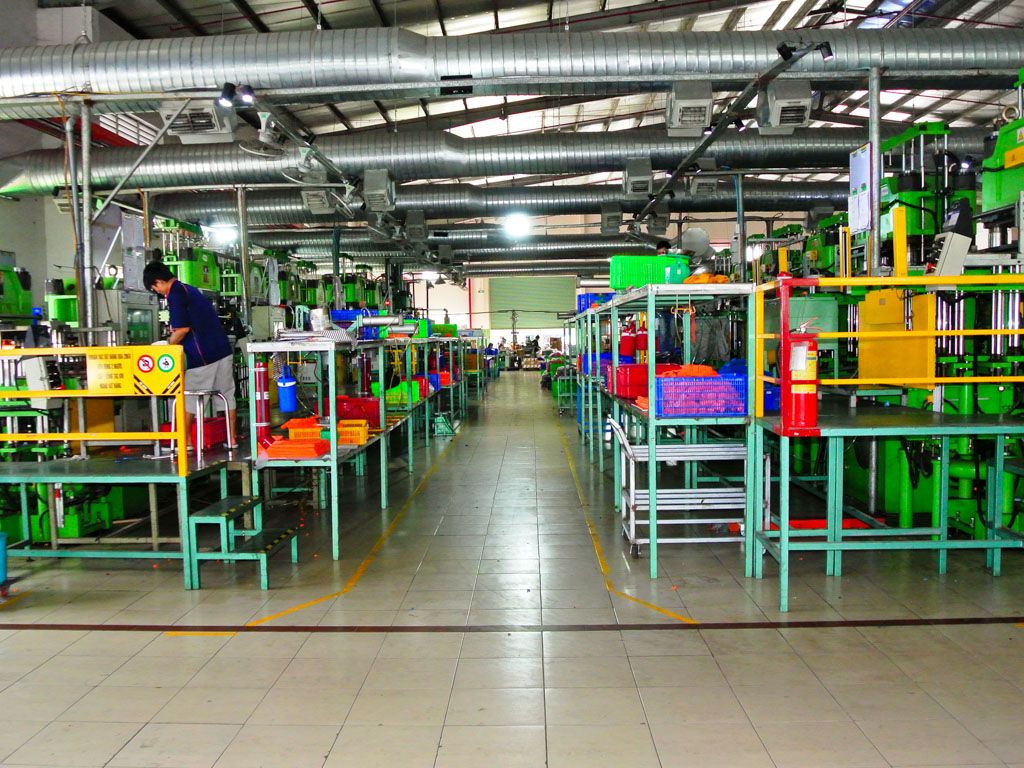
Common FDA-grade rubbers used for food processing accessories
Each FDA-grade rubber has its own strengths and is only suitable when matched to the correct operating environment. When selecting materials, you should understand the advantages, proper applications, and technical limits of each rubber family:
FDA Silicone
FDA silicone rubber is well-suited for high-temperature environments and for positions that require high inertness to minimize any impact on product odor or taste. It is commonly used for odor-sensitive contact components, oven gaskets, dryer-chamber gaskets, heat-resistant hoses, and more. However, silicone can have lower tear strength and poorer abrasion resistance if the wrong grade is chosen or if hardness is not appropriate for the load and friction conditions.
FDA EPDM
EPDM rubber (FDA grade) performs well in hot water, steam, and frequent sanitation systems-especially in beverage lines and washing/rinsing/CIP zones. Typical applications include water-line gaskets, tank gaskets, seals in beverage systems, and areas with continuous hot-water exposure. EPDM’s main limitation is that it is generally not strong against mineral oils and high-grease environments, so careful evaluation is needed if the accessory is installed near oil/grease/fat exposure.
FDA Nitrile
FDA nitrile rubber, also known as FDA NBR, is suitable for fatty foods and for areas with frequent contact with oils and fats. It is often used for seals and gaskets in meat-processing lines, cooking-oil contact areas, and systems prone to grease buildup. Nitrile’s limitation is weaker ozone resistance; it is not ideal for outdoor use or ozone-rich environments, as it may age faster than EPDM and silicone.
FDA Neoprene
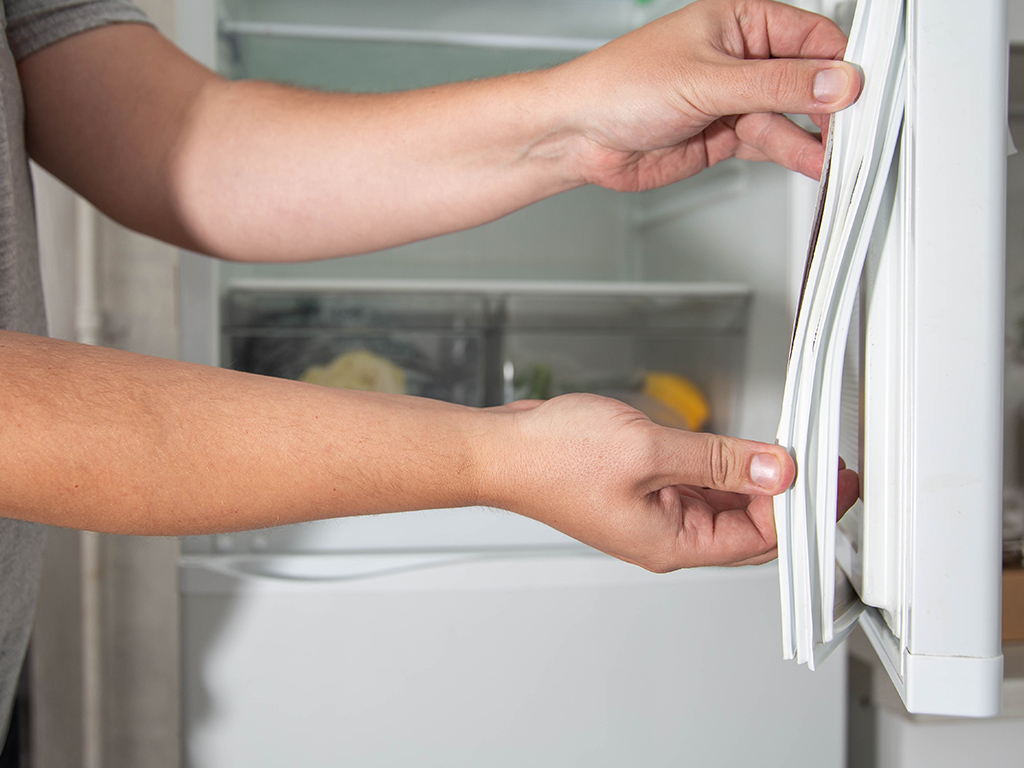
FDA neoprene rubber is suitable for general-purpose applications requiring stable mechanical performance, flex resistance, repeated deformation, and standard-level sealing. It is commonly seen in refrigerator gaskets, door seals, airtight accessories, and applications requiring good tensile strength. Neoprene’s limitations are only moderate oil and chemical resistance; therefore, if the line involves continuous grease exposure and strong sanitation chemicals, nitrile or FKM may be more appropriate depending on conditions.
FDA FKM
FDA FKM rubber is used in high-temperature environments and where strong sanitation chemicals are present-conditions in which typical rubbers struggle to maintain sealing performance and long service life. It is suitable for specialized zones in food and pharmaceutical lines with strict cleaning cycles and harsh working conditions. When choosing FKM, note the higher cost and the need to select the correct grade for food contact, because not all FKM compounds are suitable for the same application.
Food-grade TPE
Food-grade TPE is suitable for parts requiring softness, elasticity, and easy processing-especially in designs that need quick installation and integrate multiple features in a single molding cycle. Typical applications include anti-slip components, protective caps, sealing caps/plugs, and quick-assembly accessories. TPE’s limitation is that performance depends heavily on the specific formulation and material family, so you must select the correct grade with appropriate food-contact documentation and confirm heat and chemical resistance under the line’s real operating conditions.
Reference: Common types of technical rubber

Common FDA rubber selection mistakes that cause early accessory failure
In real-world production, many leakage incidents, premature failures, and food-safety risks come from choosing rubber materials that do not match operating conditions. Below are common mistakes businesses often encounter:
- Using cheap, unclear-origin products: Using industrial rubber falsely labeled as “FDA” can cause chemical migration, unusual odors, and rubber fragments peeling into food.
- Selecting only by material name: Ignoring the specific grade can lead to swelling, tearing, and deformation because the compound cannot withstand actual load and friction.
- Overlooking CIP chemicals: Choosing materials with poor acid/alkali resistance can cause gaskets and seals to harden quickly, crack, and become a harbor for bacteria.
- Incorrect hardness and compression set: Inappropriate hardness reduces sealing capability, causes leakage, and increases ongoing maintenance and replacement costs.
Key tips for choosing the right FDA-grade rubber
Based on experience in industrial rubber molding, Thai Duong Plastics shares three core tips to help businesses select the right rubber-extending accessory life while ensuring maximum line safety:
Match the material to the operating environment
This is the critical factor to avoid early failures. Businesses should choose nitrile for oily/fatty foods, EPDM for hot water/steam, silicone for high temperatures, and FKM when strong chemicals are involved. Using the wrong material can cause seals and gaskets to swell, crumble, and tear, leading to production interruptions and high replacement costs.
Optimize mechanical properties and color
Beyond chemical resistance, rubber must have suitable hardness and compression set performance relative to equipment pressure to maintain long-term sealing integrity. In addition, we recommend prioritizing blue or white compounds instead of black. This helps QC teams visually detect foreign fragments more easily if an accessory sheds during operation.
Verify FDA compliance documentation
Never choose materials without transparent technical documentation from the supplier. Request complete compliance documentation for food-contact requirements and safe migration/extractables test reports. This is an important legal basis to protect the business during strict quality audits and to meet stringent export requirements.
Notes when purchasing FDA rubber accessories for food processing
When selecting and ordering rubber accessories used in food production, businesses should pay attention to several key points to ensure safety, durability, and stable performance:
- Clearly verify which FDA requirements apply to the material, including the scope of food contact and the accompanying compliance documentation provided by the supplier.
- Clarify real operating conditions-temperature, contact media, sanitation chemicals, and operating frequency-to avoid choosing unsuitable materials.
- Determine exact hardness, color, and hygiene requirements to ensure sealing performance, easier foreign-object detection, and compatibility with the factory’s quality-control process.
- Prioritize suppliers with proven experience manufacturing rubber accessories for the food industry, with strong material consulting capability and technical support throughout use.
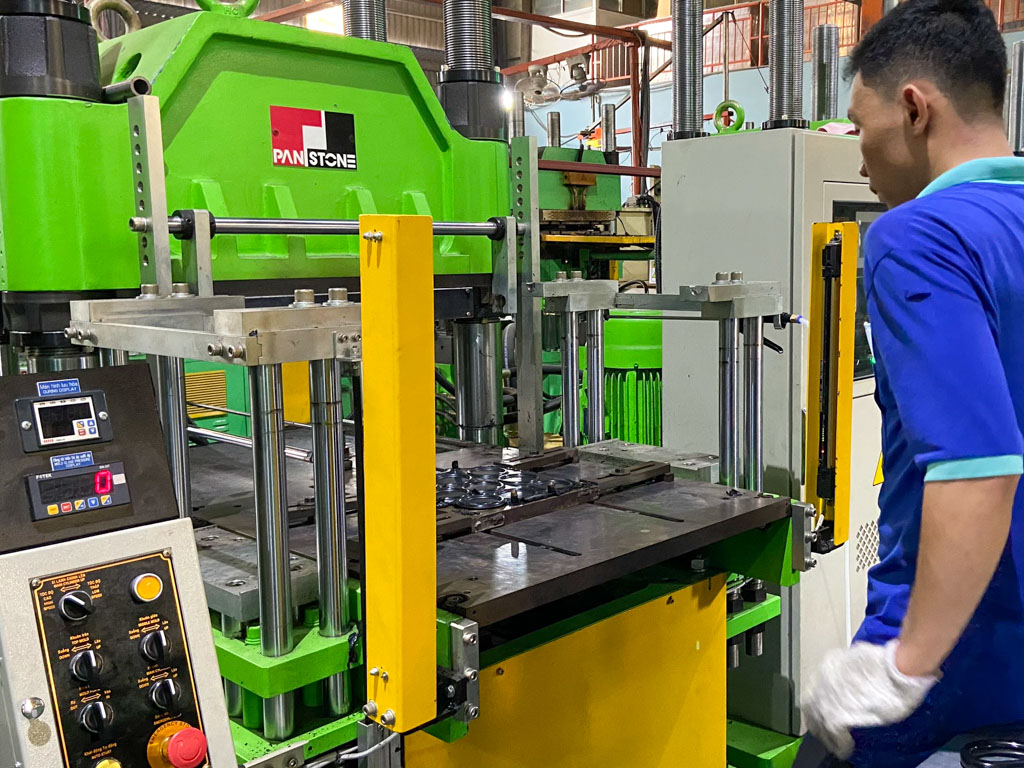
Selecting the right FDA-compliant rubber helps food-processing accessories operate reliably, ensures safety, and extends service life under demanding working conditions. Each rubber type has unique properties and only performs best when selected correctly based on temperature, chemicals, and the line’s real sanitation procedures. If you need material consultation or custom rubber accessory manufacturing to FDA requirements, contact Thai Duong Plastics for fast, dedicated support.