


HDPE (High Density Polyethylene) is a thermoplastic widely used in industrial production and everyday life thanks to its high strength and versatility. So, is this material truly safe to use? How heat-resistant and insulating is HDPE? Follow the article below from Thai Duong Plastics for the details.
Overview of HDPE Plastic
HDPE is a synthetic plastic produced by polymerizing ethylene. It has a compact molecular structure with fewer branches than LDPE (Low Density Polyethylene). This structure gives HDPE its rigidity, durability, impact resistance, and good tensile strength, while also providing excellent water and chemical resistance.
In addition, HDPE is also known as alkathene or high-density polythene when used for pipe production. In the plastics industry, HDPE products are typically marked with recycling code 2 on the bottom, helping consumers identify and sort them for recycling.

Physical properties of HDPE
HDPE has a very high strength-to-density ratio, with density ranging from 930 to 970 kg/m³ depending on grade and manufacturing method. Thanks to its low degree of branching, HDPE has strong intermolecular bonding, yielding an average tensile strength of about 38 MPa-significantly higher than LDPE. HDPE’s melting temperature is typically around 131 °C, allowing it to withstand elevated temperatures for short periods.
Key advantages and limitations of HDPE
HDPE is favored for many outstanding characteristics:
- High mechanical strength; excellent impact and tensile performance.
- Chemical resistance; resists corrosion from acids, bases, salts, and common solvents.
- Very low water permeability and moisture absorption.
- Lightweight; easy to transport and process by injection molding, extrusion, blow molding, etc.
- Better weatherability than many other plastics.
However, HDPE also has certain limitations:
- Poor durability under direct UV exposure; prone to aging without UV stabilizers.
- High coefficient of thermal expansion-must be considered in heat-exposed applications.
- Flexural strength is generally lower than some plastics such as PP.
- Susceptible to cracking under sudden temperature changes or prolonged stress.
Is HDPE heat-resistant?
HDPE can operate safely and continuously from about −40 °C up to ~90 °C. It can also tolerate temperatures up to 120 °C for short periods-typical of sterilization processes. Its melting temperature ranges from roughly 120 °C to 135 °C, depending on the grade and additives used during production.
That said, exposure to temperatures exceeding recommended limits can cause HDPE to deform or degrade, potentially releasing harmful gases. Therefore, HDPE should not be used directly in high-temperature cooking applications.
Are HDPE products safe?
HDPE is considered safe and non-toxic. It is free from BPA, phthalates, and harmful heavy metals. As a result, HDPE is commonly used for:
- Water bottles, baby bottles, and food containers.
- Medical packaging, pill bottles, and storage devices in the pharmaceutical industry.
However, avoid prolonged exposure of HDPE products to excessive heat and direct sunlight to prevent reduced service life and material degradation.
Is HDPE recyclable?
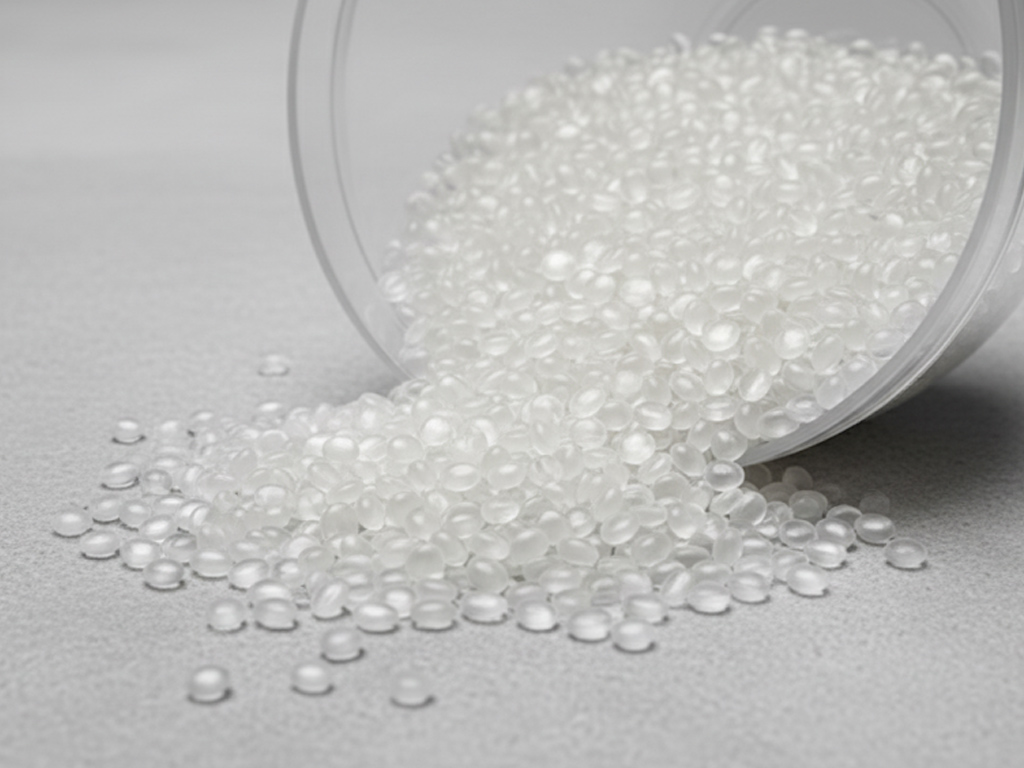
HDPE is among the easiest plastics to recycle. The recycling process includes collection, sorting, cleaning, shredding, and remelting to produce recycled pellets. These pellets are used to make new products such as water pipes, bottles, pallets, and industrial bins. Its ability to be recycled multiple times makes HDPE a more environmentally friendly plastic, helping reduce waste and conserve resources.
Common applications of HDPE
Thanks to its properties, HDPE is widely used across many fields:
- Packaging and food: Bottled beverages, baby bottles, food containers, chemical jerrycans, caps-leveraging barrier and chemical resistance.
- Piping and conveyance systems: HDPE pipes for potable water, wastewater, agricultural irrigation, and gas lines-offering longer service life than many traditional materials.
- Industrial products: Plastic pallets, drums, and crates capable of high loads, durable in harsh environments, and easily reusable.
- Household and consumer goods: Coolers, planters, storage boxes, and children’s toys.
- Fibers and textiles: Due to high tensile strength, used in ropes, fishing nets, agricultural nets, and sports nets.
- Construction and telecommunications: Used for geomembranes, plastic boards, drainage pipes; in telecoms and power, as fiber-optic sheathing and electrical conduits for mechanical and environmental protection.
- Environmental applications: HDPE geomembranes for lining landfills, reservoirs, and hydraulic structures to prevent leakage.

HDPE is a thermoplastic that combines durability, chemical resistance, and user safety. With ease of processing and recyclability, HDPE not only meets diverse production needs but also helps reduce environmental impact-making it a top choice for many industries and everyday products.