


LDPE (Low Density Polyethylene) is one of the most widely used thermoplastics today thanks to its flexibility, light weight, and safety for food contact. Like many other plastics, however, LDPE has its own strengths and limitations and should be used correctly to ensure safety and environmental sustainability. Join Thai Duong Plastics in the article below for a closer look at this material.
What is LDPE?
LDPE (Low Density Polyethylene) is a thermoplastic in the polyethylene family, produced by free-radical polymerization of ethylene monomer under very high pressure and temperature. LDPE was the first polyethylene ever synthesized-developed in 1933 by Imperial Chemical Industries (ICI)-and it has remained a mainstay of the plastics industry to this day.
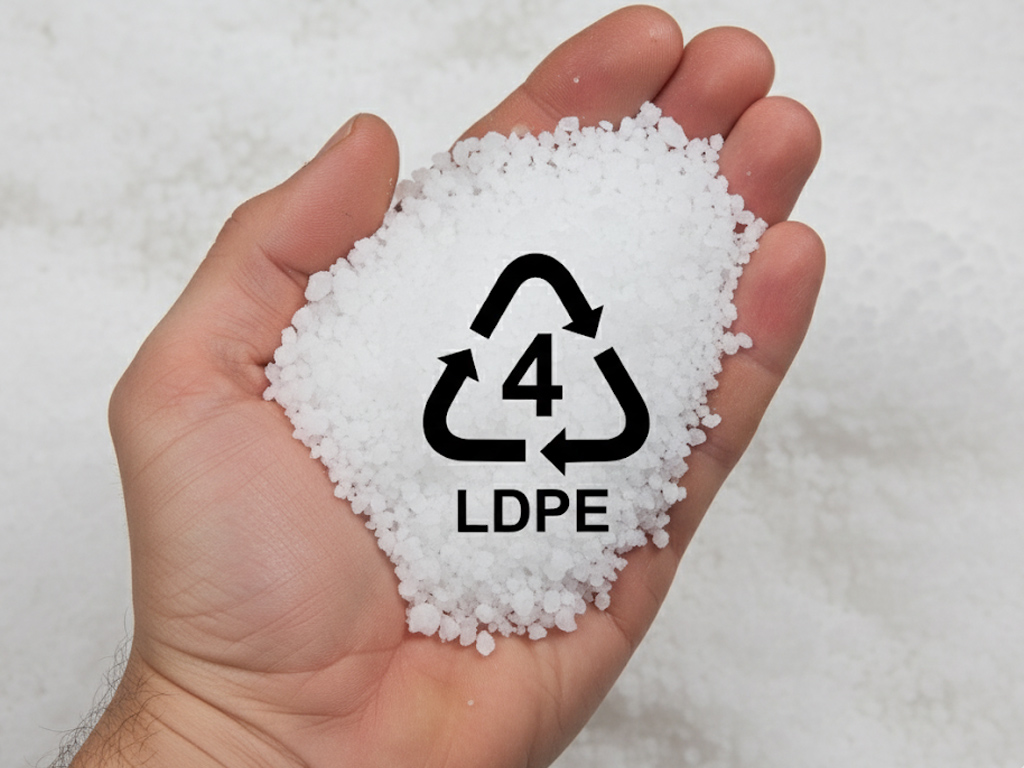
LDPE has a highly branched molecular structure, which gives it a lower density than HDPE. This branching makes LDPE more flexible, more workable, and more transparent. In plastic recycling systems, LDPE is identified by the number 4 resin code.
Is LDPE toxic?
LDPE is chemically inert by nature, colorless, odorless, and safe when manufactured from certified virgin resin. However, if it is repeatedly heated to high temperatures or reused many times-especially with hot or fatty foods-the risk of additive migration (such as antioxidants or stabilizers) can increase. Therefore, use LDPE for its intended purpose and prioritize products with verified food-contact certifications.

Notable properties of LDPE
LDPE possesses many attributes that make it a popular manufacturing material:
- Soft and flexible thanks to its branched molecular structure.
- Lightweight; easy to process, clean, and use.
- Good chemical resistance; resists corrosion from acids, bases, and certain organic solvents.
- Safe for human health; colorless, odorless, tasteless; contains no BPA or phthalates-well-suited for food and medical applications.
- High impact resistance; stretches without tearing easily.
- Excellent electrical insulation, low moisture absorption, and good low-temperature performance.
LDPE has a density of approximately 0.910-0.930 g/cm³ and a melting point typically between 105 °C and 115 °C. It tolerates continuous service from about −80 °C up to ~65 °C and can withstand 90-95 °C for short periods.
Advantages and limitations of LDPE
Thanks to its characteristic branching, LDPE offers many standout properties. That said, there are also limitations manufacturers and users should consider:
Advantages
- Flexible and easy to form using various molding methods and film blowing.
- Chemical corrosion resistance; high impact strength even at low temperatures.
- Non-hygroscopic; effective moisture barrier.
- Safe for food contact and medical uses.
- Recyclable, helping conserve resources and reduce plastic waste.
Limitations
- High gas permeability-especially to CO₂-so it is unsuitable for packaging that requires a near-perfect gas barrier.
- Poor UV resistance; prone to weathering and embrittlement with prolonged outdoor exposure.
- Flammable; handle and store with care.
- Lower heat resistance and tensile strength than HDPE and PP.
Common applications of LDPE
Thanks to its flexibility, light weight, safety, and corrosion resistance, LDPE is widely used across many fields:
- Packaging and food: Plastic shopping bags, carrier bags, food-wrap films, bottles, food containers, and flexible packaging.
- Household goods: Trays, containers, lids, storage bins, and zipper bags.
- Agriculture: Mulch films, fruit-protection bags, and crop-cover materials.
- Medical: Orthotic devices, prosthetics, flexible tubing, and other body-contact products.
- Electrical and electronics: Wire and cable insulation; housings for computer components, drive enclosures, and shrouds.
- Industry: LDPE tubing, automotive parts, and plastic components requiring flexibility.
- Industrial packaging: Moisture-barrier layers in multi-ply paper packaging, pallet stretch-wrap, and shrink films.

Reference: Common Medical-Grade Plastics
Notes for using LDPE
Although considered safe and user-friendly in many applications, follow these guidelines to maximize performance and minimize risk:
- Prioritize products made from virgin LDPE for food or pharmaceutical contact.
- Avoid repeatedly reusing single-use LDPE items-especially recycled or unverified ones-as they may contain impurities.
- Do not expose LDPE products to prolonged direct sunlight to reduce UV-induced embrittlement and cracking.
- Sort and recycle properly to minimize environmental impact, as LDPE is not biodegradable and can persist in nature for hundreds of years.
LDPE is a flexible, lightweight, corrosion-resistant material that is safe for human health and widely used in manufacturing. When used and recycled correctly, LDPE delivers economic benefits while helping to reduce environmental impact. Contact Thai Duong Plastics if you have questions about this article or about plastics commonly used in injection molding.