


PE (Polyethylene) is one of the most widely used thermoplastics in the world thanks to its flexibility, durability, moisture resistance, and low cost. Still, many people wonder whether PE is safe or potentially harmful when used for food contact and everyday household items. In the article below, Thai Duong Plastics explains PE in detail-its applications, pros and cons, and important usage notes.
What is PE?
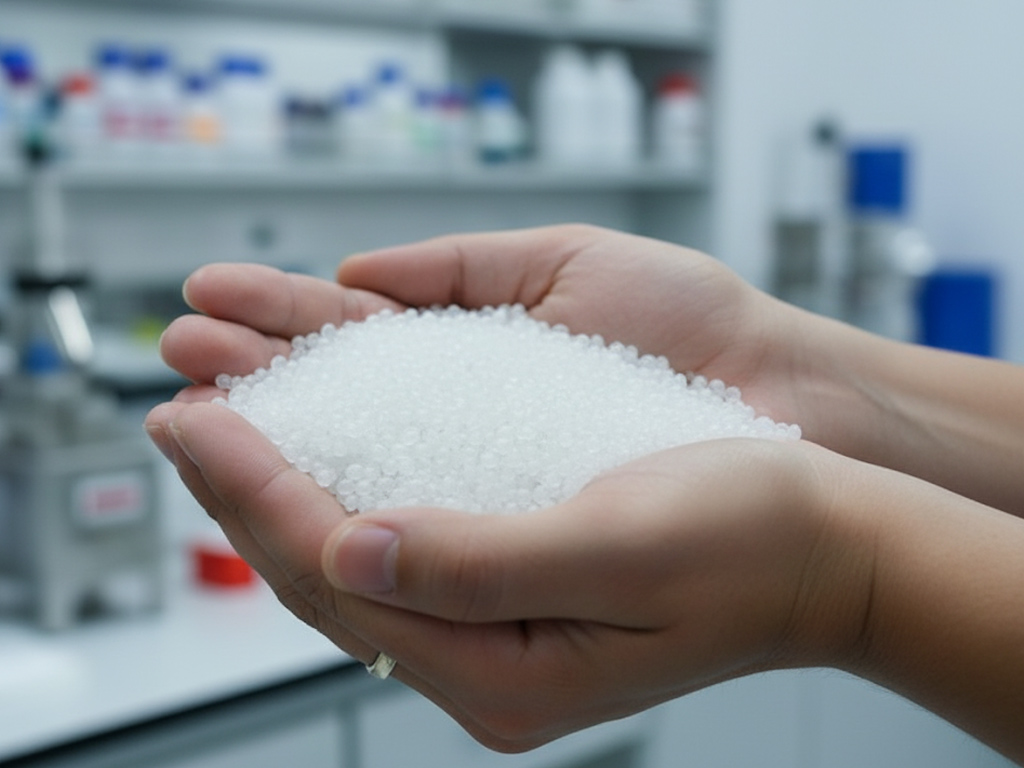
PE, or Polyethylene, is the most commonly used thermoplastic today, with global consumption reaching tens of millions of tons per year. The material is produced by polymerizing ethylene (C₂H₄) monomers; its molecular structure consists of repeating CH₂-CH₂ units. PE is white, slightly translucent, glossy, and highly ductile.
In terms of properties, PE is non-conductive, provides thermal insulation, and is highly resistant to water and moisture; however, its gas (oxygen) barrier is only moderate. PE typically melts between 120-130 °C depending on the grade, while its glass transition temperature is around −100 °C, allowing the material to remain flexible and tough even in deep-cold conditions.

Is PE toxic?
In its solid state, PE is considered safe and non-toxic. This is why PE is widely used in food packaging, children’s toys, and many household products. However, when heated to excessive temperatures (above about 110 °C) or exposed for long periods to hot, fatty foods, PE may degrade and generate unwanted byproducts.
Therefore, avoid reheating food in PE containers using air fryers, microwave ovens, or direct stovetop heating. Also avoid cleaning PE products with boiling water or harsh chemicals, as this can shorten the material’s lifespan and compromise safety.
Advantages and disadvantages of PE
Polyethylene is used extensively not only because of its reasonable cost but also due to its many standout properties. That said, PE has some limitations to consider before selection:
Advantages:
- Excellent resistance to water and moisture; moderate resistance to gas permeation.
- Retains toughness at low temperatures, down to around −50 °C in many real-world applications.
- Glossy surface with good aesthetics; low cost and easy to process, suitable for mass production.
- Considered safe for typical household use conditions.
Disadvantages:
- Relatively poor resistance to odors and oils; surfaces can attract oils and may produce unpleasant odors if processed at high temperatures.
- Mechanical performance is lower than certain engineering plastics, particularly in stiffness and long-term load-bearing.
- Color options are limited-often milky white or slightly translucent-creating aesthetic constraints in some applications.
What is PE used for?
Thanks to its durability, ductility, light weight, and excellent moisture resistance, PE is widely used across many sectors:
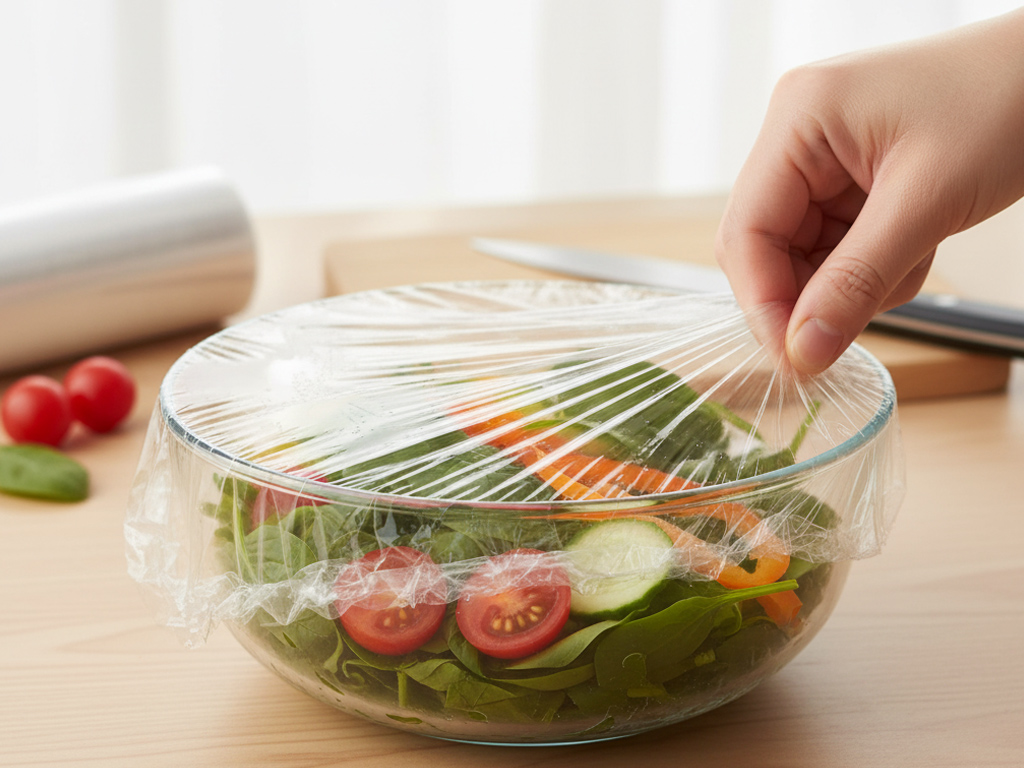
- Packaging and films: Shopping bags, food-wrap films, shrink films, and stretch films.
- Household goods: Containers, bottles, toys, and everyday items.
- Construction: Water pipes, storage tanks, and chemical containers.
- Electrical and electronics: Cable insulation and conduit.
- Medical and industrial: Liners, trays, lightweight tools, and engineering sheets.

Applications by PE type
Based on density, molecular weight, and degree of crystallinity, PE is categorized into several grades with distinct properties:
| PE Category | Name | Characteristics | Applications |
| Low-density PE | VLDPE | Very low density; highest softness and toughness. | Ultra-thin shrink films, heavy-duty industrial films, protective gloves, soft toys. |
| LDPE | Low density; soft, flexible, slightly translucent. The most widely used PE grade. | Shopping bags, food-wrap films, flexible packaging, squeezable bottles (e.g., chili-sauce bottles). | |
| LLDPE | Low density with a linear backbone; better toughness and tensile strength than LDPE. | Stretch wrap/pallet wrap, certain high-strength bags, flexible tubing, caps. | |
| Medium- & high-density PE | MDPE | Medium density; stiffer with higher mechanical strength than low-density grades. | Heavy-duty carrier bags, sacks, gas pipes, industrial water lines. |
| HDPE | High density; best mechanical strength, heat resistance, and chemical resistance among standard PE grades. | Water/sewer pipes, plastic tanks, chemical containers, children’s toys, rigid bottles (e.g., shampoo and detergent). | |
| Modified PE | XLPE / PEX | Cross-linked PE with excellent thermal, mechanical, and chemical stability. | Electrical cables, hot-water plumbing pipes, insulating materials. |
| UHMWPE | Ultra-high molecular weight; outstanding abrasion and impact resistance (among the best of all plastics). | High-performance fibers (for ballistic vests), wear liners in industry, impact-resistant machine parts. |
Polyethylene remains the most widely used thermoplastic thanks to its balance of ductility, durability, and moisture resistance. With its versatility and cost-effectiveness, PE continues to be a top choice for packaging, consumer goods, industrial applications, and construction. For more information or feedback on this article, please contact Thai Duong Plastics for prompt support.
Read more: What Is POM Engineering Plastic?