


PU plastic is a family of polymers formed by the reaction between an isocyanate and a polyol to create carbamate linkages (also called urethane linkages). This material spans a wide property range from soft to hard, noted for excellent abrasion resistance, high elasticity, strong adhesion to metals, chemical resistance, and stable electrical insulation across common temperature ranges. Join Thai Duong Plastics to explore PU in more detail in the article below.
What is PU plastic?
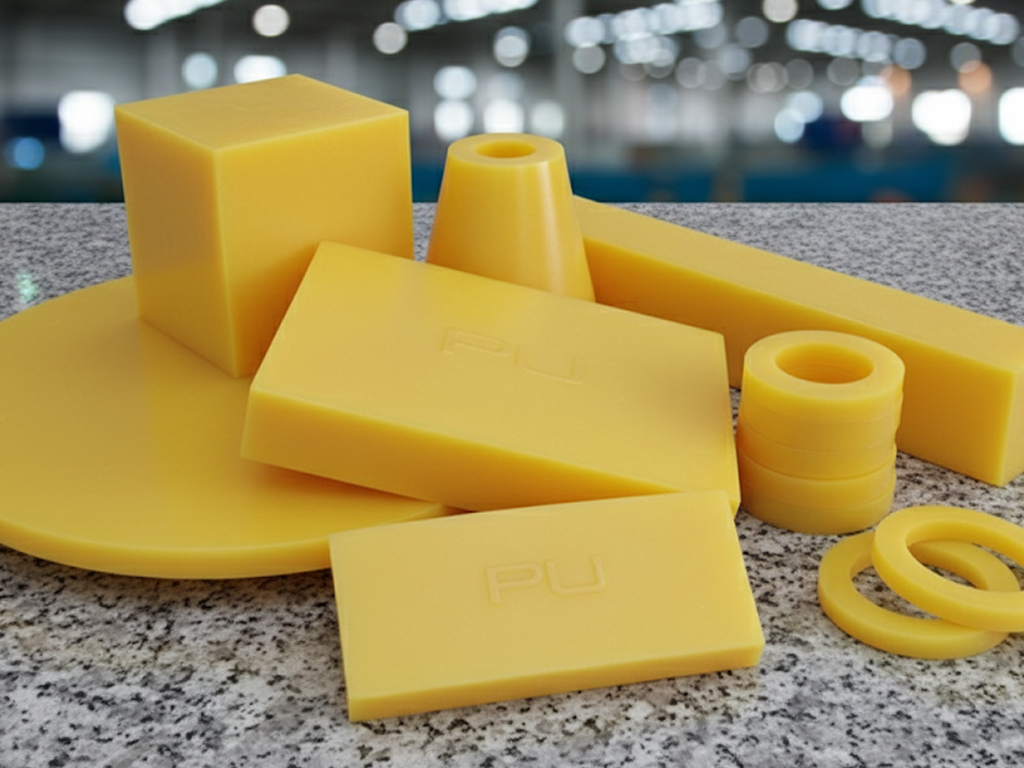
PU (Polyurethane) is a group of polymers with many different formulations, not a single, uniform material. What they share in common is a structure containing repeating urethane linkages. Thanks to this, PU can be produced in many forms such as flexible foam for seat cushions, rigid insulation foam, elastic rubbers (elastomers), coatings, and adhesives.
PU is created by reacting an isocyanate with a polyol in the presence of a catalyst. The selection of isocyanate (e.g., TDI, MDI for aromatic backbones; HDI, IPDI for aliphatic) and the polyol type will determine hardness, elasticity, weathering resistance, and the final color of the product.
Is PU toxic?
Once cured, PU is inert and safe to use. Health risks mainly arise during manufacturing because isocyanates and catalysts can irritate the skin and respiratory system; therefore, good ventilation and proper personal protective equipment are necessary. PU is flammable, so when using it in environments with fire safety requirements, choose a flame-retardant grade.
Which is better: PU or PVC?
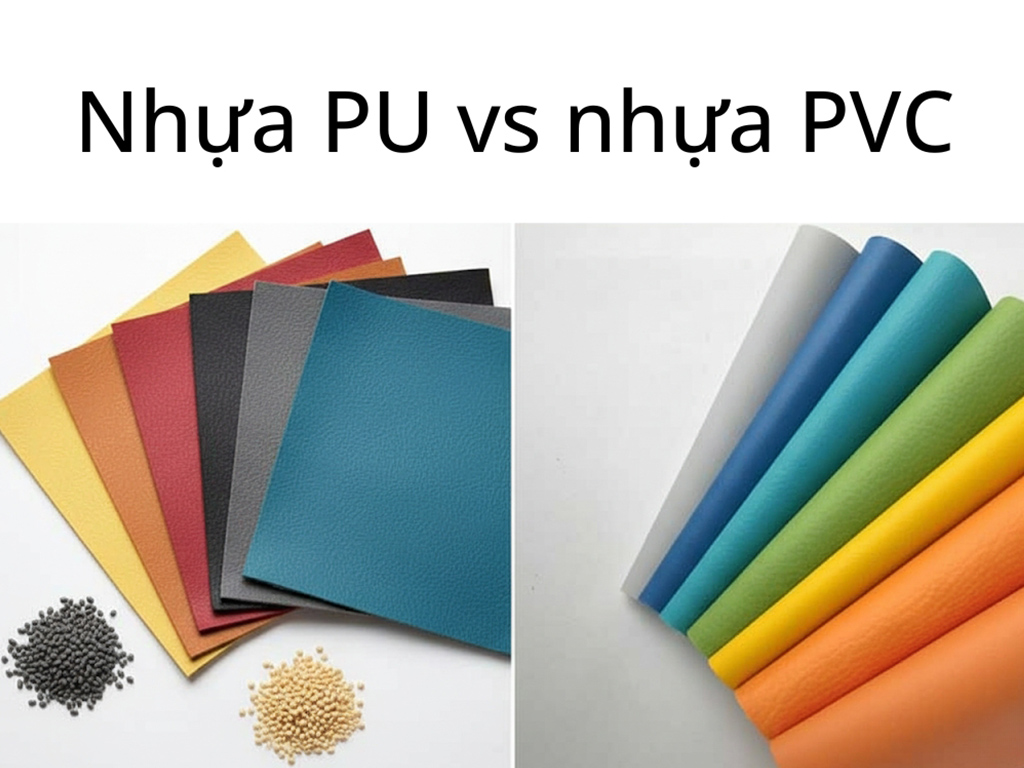
PU is more durable and typically operates reliably from −40 °C to 80 °C, with certain special grades tolerating around 90 °C for short periods. This injection-moldable material has superior elasticity and abrasion resistance, and it resists oils and greases well-making it suitable for wheels, rollers, and shaft coverings. PU is also a common base for producing PU leather with a soft surface and a feel close to genuine leather.
Standard PVC is generally limited to about 60 °C in continuous service, has lower elasticity, and becomes brittle at low temperatures; however, it is inexpensive, resists water and dilute acids well, and suits water pipes, cable sheathing, and decorative panels. PVC is also used to make PVC leather-a high-gloss, water-resistant faux leather-but it is less supple than PU leather.
Key specifications and standout properties of PU
The following technical specifications are for reference and may vary by manufacturer and material grade:
- Hardness: Typically Shore A 80-95
- Density: 1.15-1.25 g/cm³
- Elongation at break: 400-600%
- Tensile strength: 20-55 MPa
- Modulus @300%: 8-20 MPa
- Compression set: 30-45%
- Abrasion resistance: Very high; suitable for rolling/sliding friction parts
Some notable PU characteristics include:
Exceptional abrasion resistance
Many PU grades outperform rubbers and even certain metal surfaces in abrasion resistance, thanks to their crosslinked molecular structure and robust hard domains.
High elasticity and dynamic load capacity
PU absorbs impact, dampens vibration, and quickly recovers after deformation. Phase separation between soft and hard segments gives the material both tensile strength and tear resistance.
Chemical and oil resistance
PU shows strong resistance to oils, greases, organic solvents, and mildly corrosive environments. The level of resistance depends on the polyol type and crosslink structure used.
Stable electrical insulation and heat resistance
PU is widely used for electrical encapsulation and insulation. Its typical continuous service range is −40 °C to 80 °C. With special formulations (e.g., rigid, heat-resistant PUs), the material can tolerate about 90 °C – 120 °C for short periods-or longer, depending on the system.
Excellent adhesion to many substrates
PU bonds well to metals such as steel and aluminum and to other materials when surfaces are properly prepared; therefore, PU is often used for shaft/roller coverings and protective coatings.
Classification of PU
By polyol structure
PU is commonly divided into two main groups-Polyester PU and Polyether PU. Each has its own strengths and suits specific environments:
- Polyester PU
High mechanical strength with good resistance to oils and solvents, but poorer durability under prolonged water exposure. Often used for wear-resistant parts exposed to oils/grease and requiring stiffness.
- Polyether PU
Superior water and moisture resistance-especially hydrolysis resistance-so it lasts longer in damp or water-hydraulic environments, though it has lower oil resistance. Suitable for outdoor and humid conditions.
By manufacturing process and product form
Depending on processing method and structure, PU can be grouped into three principal forms with different properties and processing requirements:
- Thermoplastic TPU
Processed by injection molding, extrusion, or film blowing at 120 – 150 °C; recyclable multiple times. Drying pellets and controlling temperature are essential to avoid bubbles and quality loss.
- Cast PU
Made via a two-component reaction; once cured, it becomes a thermoset with high mechanical properties but cannot be reprocessed. Common for wheels, rollers, shaft coverings, and vibration-damping pads. Accurate mixing ratios, de-moisturizing, and degassing help produce dense, solid parts.
- Thermoset/crosslinked PU
A two-component system that, after curing, forms a three-dimensional crosslinked network for shape stability and heat resistance. Often used for coatings, adhesives, and components under long-term loads. When designing, round sharp corners to reduce stress concentrations and select hardness appropriate to service conditions.

Typical applications of PU
Thanks to its diverse properties, PU appears in many manufacturing sectors and everyday products. Typical examples include:
- Mechanical and mining industries: Shaft/roller coverings, guide wheels, wear liners, screening meshes, and shock-absorbing pads.
- Automotive and motorcycles: Seat cushions, armrests, interior trims, steering wheels with microcellular foam grips, and oil-resistant elastomeric parts.
- Construction and interiors: PU decorative moldings (phào chỉ), flooring and floor coatings, rigid foam insulation in panels, and ducting.
- Electrical and electronics: Potting/encapsulation, electrical packaging, cable jacketing, and protective conformal coatings.
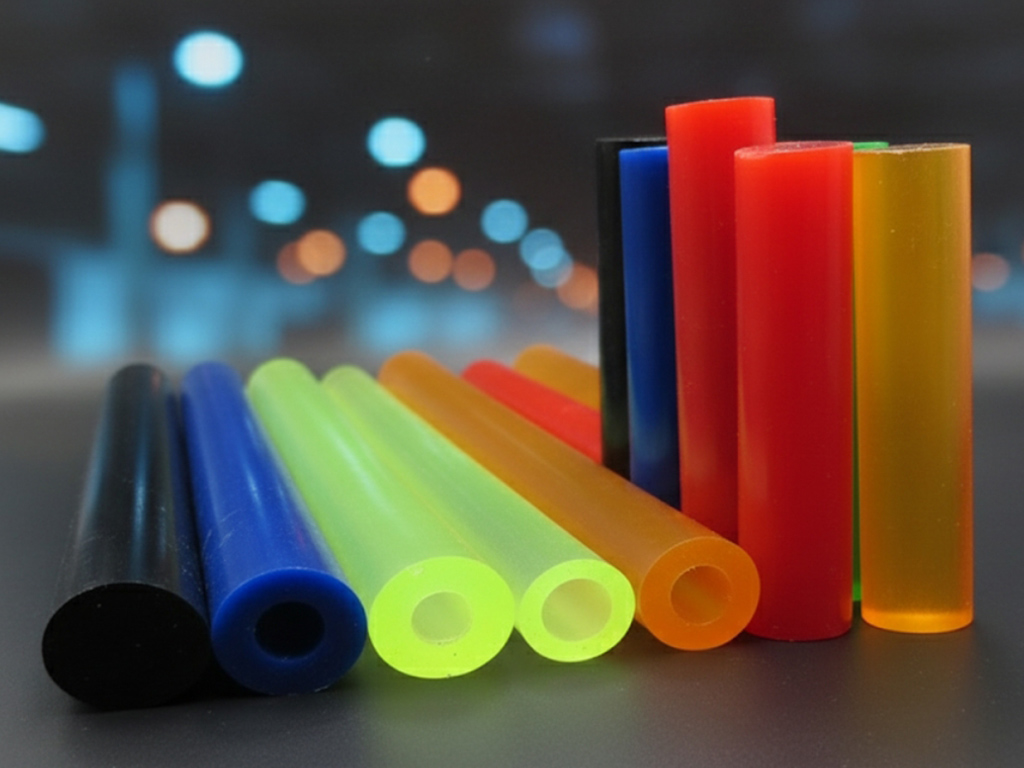
- Hose and tubing: Pneumatic lines, dust-collection hoses, and industrial hoses with high abrasion resistance.
- Molds and decorative materials: Concrete casting molds, textured pattern molds, and high-fidelity PU cast parts.

PU is a flexible material that can be tailored to specific service requirements. Selecting the right PU type and processing method determines product quality and lifespan. If you need consultation or PU plastic processing, please contact Thai Duong Plastics for prompt support.
Read more: Custom household-plastic processing