


The plastic molding process is a sequence of manufacturing steps in which raw plastic is melted and injected into a mold to create the desired shape. This method is widely applied in high-precision mass production of components, housings, and technical parts. To give you a clear picture of how a complete plastic product is made, Thai Duong Plastics details each stage of the molding workflow in accordance with modern industry standards.
Step 1: Preparing Raw Materials
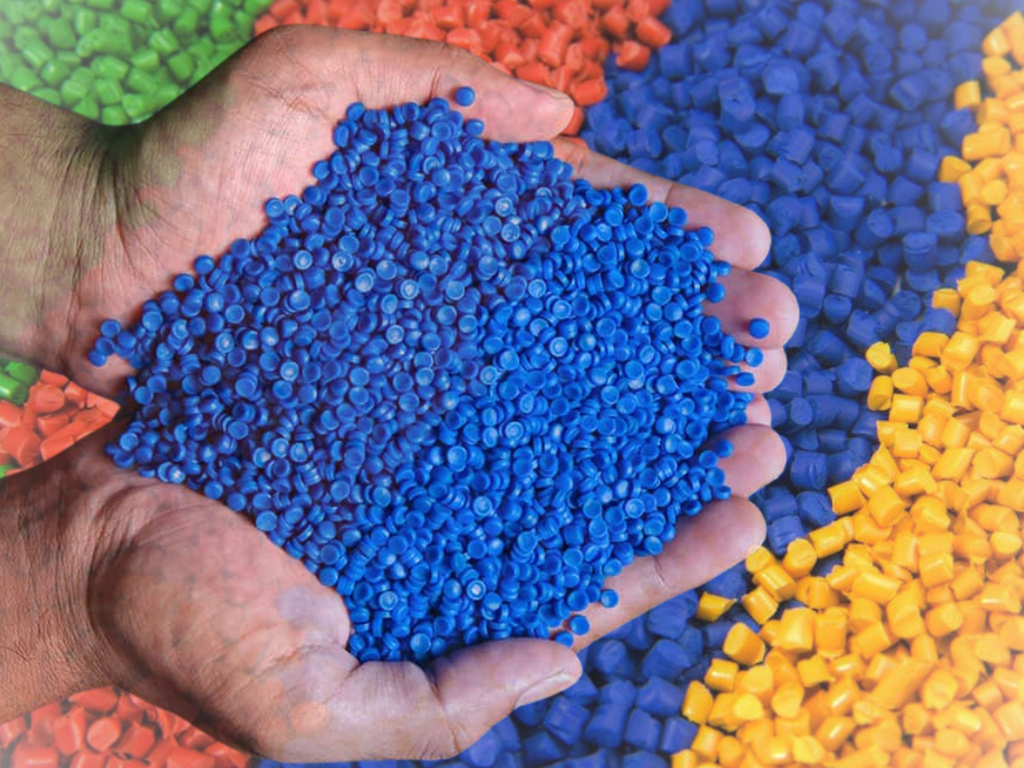
Before production begins, the plastic feedstock must be carefully prepared. It can be:
- Virgin plastic pellets.
- Recycled plastic that has been re-ground.
- A blend of virgin and recycled resins, …
In many cases, pellets are mixed with additives such as heat stabilizers, UV inhibitors, or colorants to meet product requirements. The material is then dried at the proper temperature to remove moisture, because water vapor can cause voids or weaken the finished part.
Step 2: Heating and Melting the Plastic in the Injection Unit
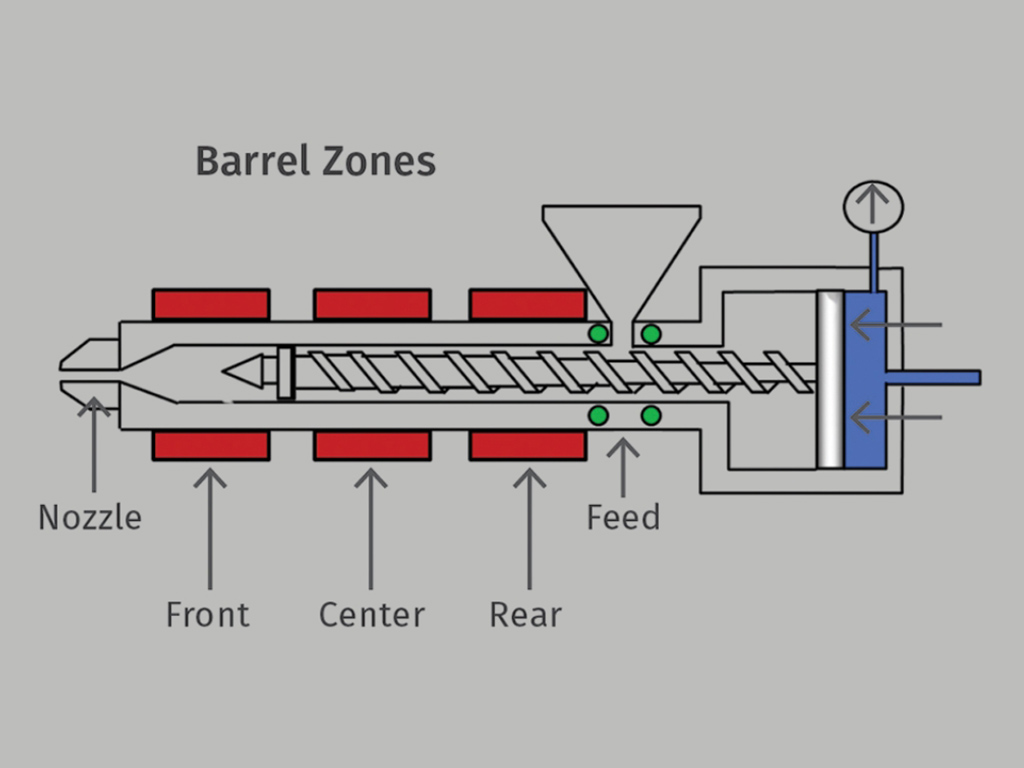
Once prepared, the pellets are fed into the hopper of an injection-molding machine. They move down a rotating screw where zoned heaters transform the plastic from solid to molten form.
The screw both conveys the material and builds pressure to push the melt toward the nozzle. Precise temperature control along the barrel is essential to prevent burning, degradation, or decomposition of the resin.
Step 3: Clamping the Mold and Preparing for Injection
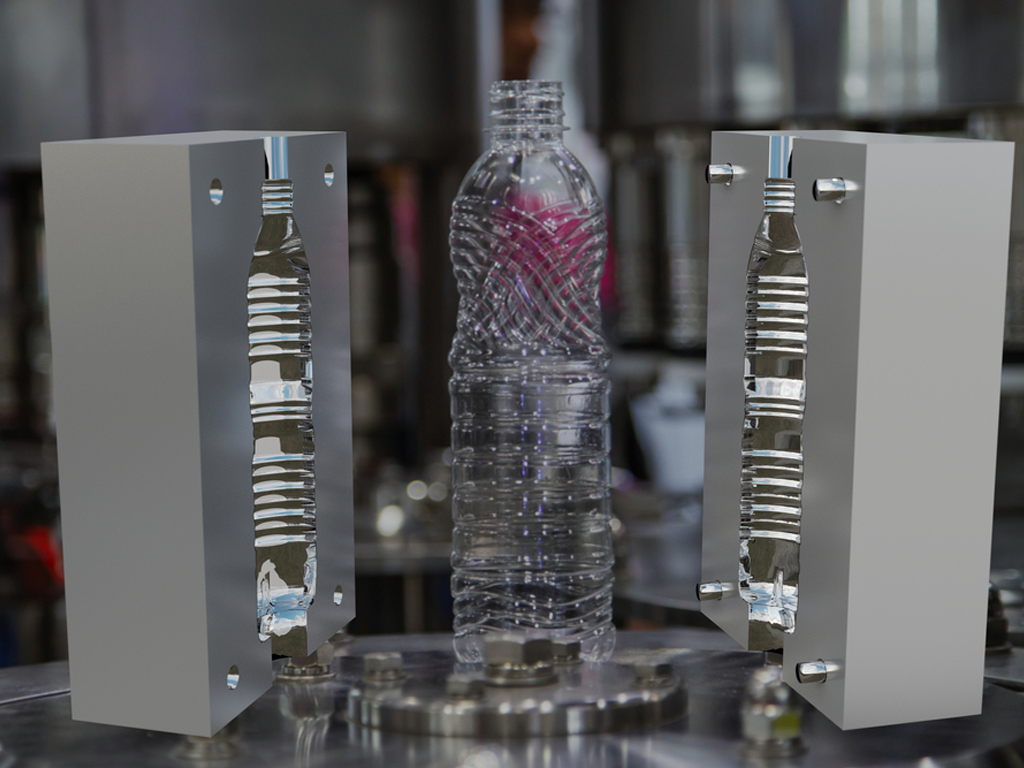
The injection mold is split into two halves that are mounted on the machine platens – one fixed, the other movable. Before the plastic is injected, the halves are tightly clamped together by a hydraulic system.
The clamping force must counteract the injection pressure; insufficient force can cause flash or dimensional errors due to mold separation.

Step 4: Plastic Injection into the Mold Cavity
Molten plastic is injected at high pressure through the nozzle into the mold cavity, filling it in a very short time. Injection speed and pressure are set according to the part’s geometry and size.
This stage determines the part’s shape and surface details. If injection is too fast, trapped air may cause defects; if too slow, the melt can cool prematurely, leading to short shots.

Step 5: Holding Pressure and Cooling the Part
After the cavity is filled, holding pressure is applied briefly to compensate for natural shrinkage as the plastic cools. The cooling system then activates.
Cooling is the longest phase in the cycle. Heat from the part transfers through the mold walls and is carried away by circulating water or oil in cooling channels.

Step 6: Opening the Mold and Ejecting the Part
Once the plastic has solidified, the mold opens automatically. The ejector system pushes the part out without damaging its shape or surface.
Depending on part complexity, ejection can use mechanical pins, stripper plates, or pneumatic devices. Advanced lines may employ robots for high speed and accuracy.
Step 7: Quality Inspection and Post-Molding Finishing
Immediately after ejection, parts are inspected to remove any with defects such as voids, flash, dimensional errors, or warpage. Finishing may include:
- Trimming excess material.
- Cleaning the surface.
- Printing logos or applying labels.
- Mechanical testing – e.g., measuring tensile strength, …
Qualified parts are then packed or moved to subsequent assembly stages.

Every stage in the plastic molding process is crucial and directly affects the quality of the final product. Consistent control – from material preparation to final inspection – is key to stable, efficient production.
Thai Duong Plastics is a specialist in high-quality industrial plastic injection. We provide end-to-end solutions – from design consultation and mold fabrication to finished molding – under a rigorous quality-control system that meets all technical and industry standards.