


Technical rubber is widely applied across industries thanks to its heat resistance, load-bearing capacity, oil resistance, sound insulation, and effective vibration damping. In this article, Thai Duong Plastics explains the key features, classifications, applications, and selection criteria for technical rubber to help you choose the right material for your needs.
What Is Technical Rubber?
Technical rubber is produced from natural rubber, synthetic rubber, or a blend of both, processed to meet specific technical standards. Production involves multiple steps – such as hot vulcanization, extrusion, injection molding, and compression molding – to create products with high durability suited to demanding working environments.
Compared with standard rubber, technical rubber requires precise control over parameters such as hardness, elasticity, and resistance to environmental factors like temperature, chemicals, oils, and heavy mechanical loads.
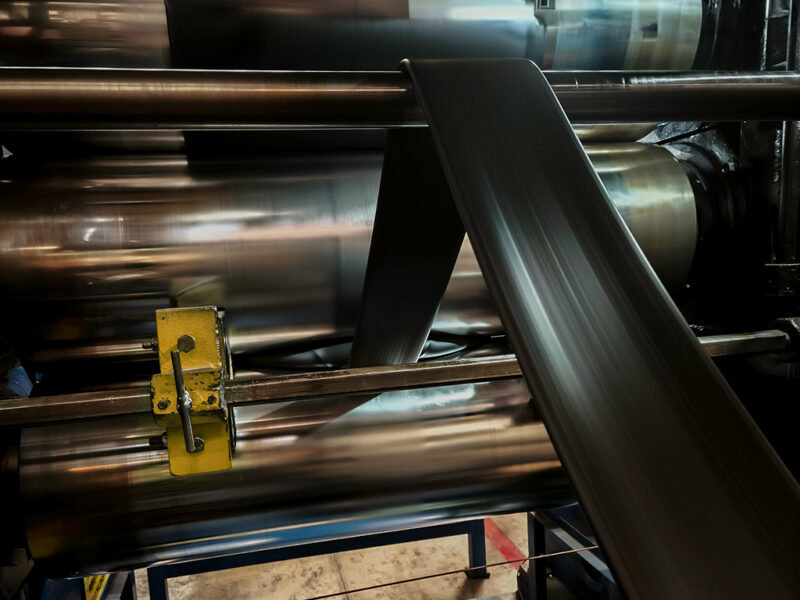
See also: Custom rubber compound production
Key Features
Using technical rubber in manufacturing offers several practical advantages:
- Excellent heat and load resistance: Handles high temperatures and heavy loads.
- High elasticity: Stabilizes machinery, reduces vibration, and extends equipment life.
- Chemical and corrosion resistance: Minimizes damage from oils, acids, and industrial solvents.
- Effective vibration damping: Protects equipment and boosts productivity.
- Easy to process and customize: Can be produced to drawings or specific technical requirements.
- Long service life, lower maintenance costs: Cuts replacement and maintenance expenses.
Technical rubber is more expensive than standard rubber due to higher technical requirements and premium raw materials. Some synthetic rubbers may also pose environmental concerns if not properly disposed of after use.
Practical Applications
Technical rubber is used in almost every industrial sector:
- Automotive & Motorcycle: Tires, engine mounts, door seals, vibration-damping gaskets…
- Mechanical & Construction: Machine pads, load-bearing cushions, speed bumps, waterproof gaskets…
- Food & Medical: Silicone seals, liquid-transfer hoses, gloves, medical device cushions…
- Marine & Port: Fender pads, dock bumpers, D-shaped cushions…
- Electronics & Electrical Equipment: Heat-resistant gaskets, insulators, vibration isolators…
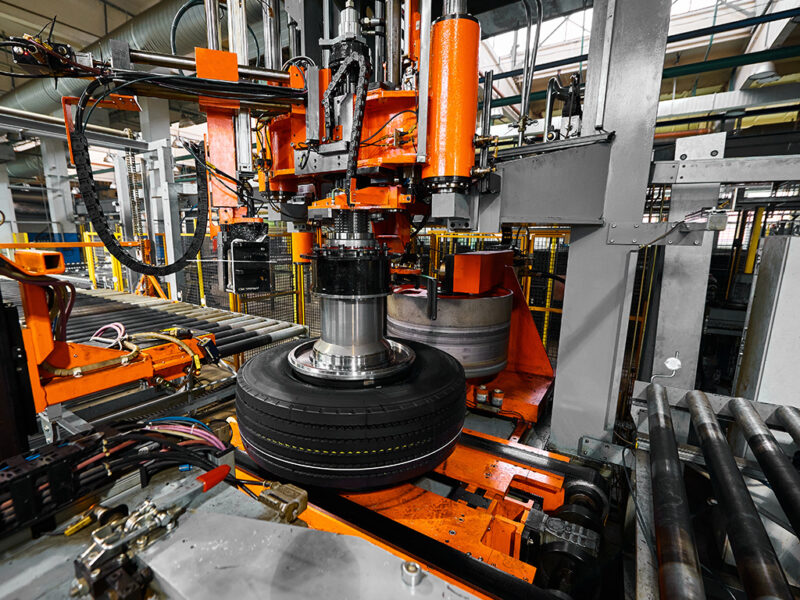
Most Common Types of Technical Rubber Today
Technical rubber can be classified by function, shape, and material. Below are the most popular categories:
By Function
- Anti-vibration and damping rubber
- Heat-resistant, oil-resistant, chemical-resistant rubber
- Sound-insulating, non-slip, sealing rubber
By Shape
- Rubber sheets (with or without fabric reinforcement)
- Rubber hoses, extruded profiles, rolled rubber
- Rubber gaskets (O-rings, silicone seals)
- Engine mounts, impact pads, rubber stoppers
By Material
- Natural rubber: High elasticity, ideal for applications requiring flexibility and strong adhesion.
- Synthetic rubber: Includes NBR (oil-resistant), EPDM (weather-resistant), Silicone (heat-resistant and food-safe), Neoprene (flame-retardant, weather-resistant)… suitable for harsh environments.

Guide to Choosing the Right Technical Rubber
To select the correct technical rubber, consider the following criteria:
- Operating environment: Determine exposure to oils, chemicals, high temperatures, compression, or humidity.
- Technical requirements: Hardness, elasticity, dimensions, and shape must match the technical drawing.
- Material type: Choose natural or synthetic rubber according to the application and equipment conditions.
- Budget: Balance investment cost with long-term performance and durability.
Storage and Usage Tips
To maximize performance and lifespan, store and use technical rubber according to these guidelines:
- Avoid direct sunlight or high heat sources – UV and heat accelerate aging.
- Store in a dry, well-ventilated area to prevent mold and oxidation.
- Keep away from strong solvents or chemicals unless properly protected.
- Perform periodic inspections to detect cracks, wear, or deformation and replace parts promptly.
- Use certified materials for applications with strict safety or regulatory requirements.

Partnering with a reputable technical rubber manufacturer ensures that products meet standards, receive optimal solutions, and reduce long-term operating costs. For further consultation on industrial rubber molding, please contact Thai Duong Plastics for prompt, expert support.