


Current Status of Vietnam’s Plastic Injection Molding Industry
The plastic injection molding industry in Vietnam is one of the steadily growing sectors within the supporting industries. The expansion of various manufacturing fields has driven high demand for plastic products. Alongside significant progress, the industry still faces many challenges related to raw materials, technology, and global competitiveness.
Overview of the Plastic Injection Molding Sector in Vietnam
Currently, Vietnam’s plastic injection molding industry involves thousands of small and medium-sized enterprises, primarily located in industrial hubs such as Binh Duong, Dong Nai, Bac Ninh, Hanoi, and Ho Chi Minh City. Domestically produced plastics serve diverse sectors including packaging, household items, technical components, and construction materials. Most local enterprises still operate mainly as subcontractors or suppliers to supply chains of foreign direct investment (FDI) manufacturers.

Despite a large market and strong consumption demand, the sector remains heavily dependent on imported raw materials and machinery. Common thermoplastics like PP, PE, ABS, and PC are often sourced from Asia and the Middle East. This dependence increases production costs due to transportation, import taxes, and price volatility, making it harder for domestic products to compete with countries that have a fully integrated supply chain.
Read more: Detailed information about plastic injection molding
Main Products and Market Segments
Vietnam’s plastic injection industry currently develops across four main product categories:
- Packaging plastics: Representing a large portion of total output, serving food, pharmaceuticals, and chemicals. However, this segment offers low added value and is highly competitive.
- Household plastics: Includes chairs, kitchenware, containers, etc., with demand increasingly segmented by consumer income levels.
- Construction plastics: Includes pipes, window frames, panels… widely used in residential and infrastructure projects.
- Engineering plastics: A high-value segment used in industries such as electronics and automotive. However, domestic production capacity in this area remains limited.
Production and Supply Chain Challenges
One of the biggest barriers is the heavy reliance on imported raw materials, accounting for about 70% of production needs. This not only raises costs but also complicates compliance with rules of origin for tax incentives during exports.
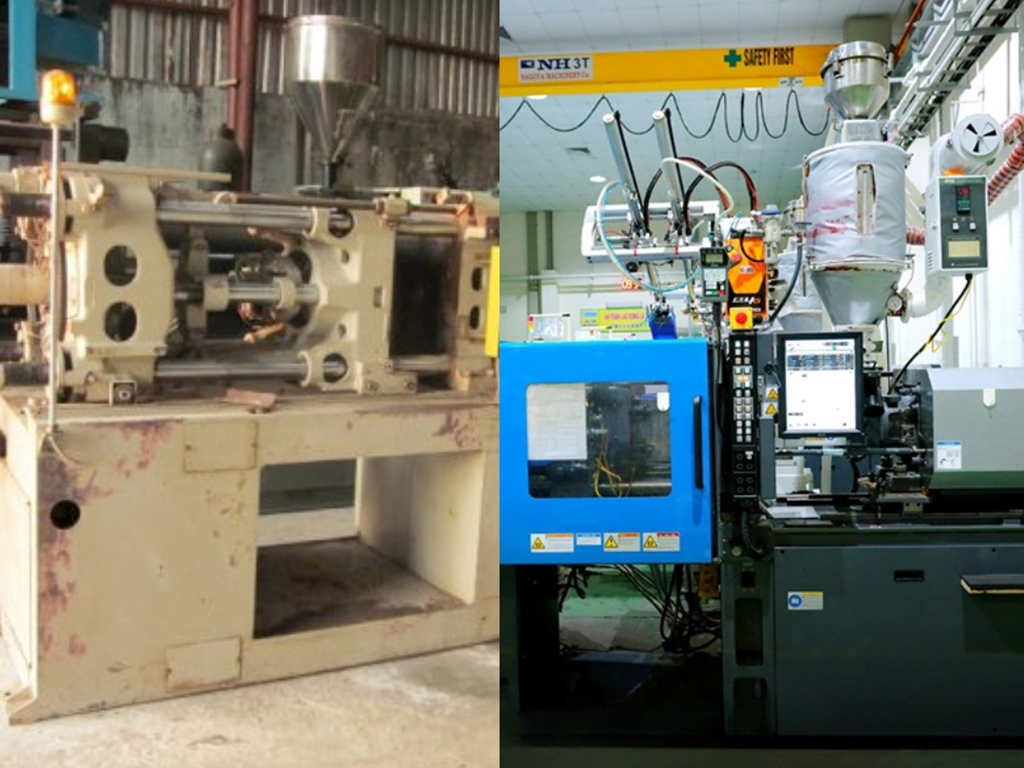
Additionally, many enterprises still operate with outdated, inefficient, and non-synchronized machinery. In contrast, FDI firms investing in advanced equipment from Japan, Germany, and South Korea can manufacture high-precision components, although the investment cost remains a challenge for small businesses.
Development Trends in the Plastic Injection Industry
Amid global competition and rising market expectations, Vietnam’s plastic injection sector is shifting toward three key directions:
Technology upgrades and automation
Capable enterprises are investing in robotics, automated lines, and process-monitoring sensors to reduce labor and improve quality control. These investments are vital as labor costs rise and businesses seek to optimize production.
Transition to high-tech products
Products such as automotive parts, electronic device casings, and technical trays require high precision and represent significant growth potential. To capitalize on this, companies need strategic investment in plastic molds, modern machinery, and skilled technical teams.
Environmental friendliness and recycling
The use of biodegradable or recyclable materials is gaining traction in major export markets like Europe and the U.S. Vietnamese plastic companies must adapt by improving products, choosing eco-friendly materials, and ensuring more sustainable manufacturing processes.
Future Development Directions
To ensure sustainable growth, Vietnam’s plastic injection industry should focus on:
- Securing local sources of raw materials and additives to reduce import dependency, thereby lowering production costs and risks.
- Investing in skilled labor training, particularly mold design engineers and modern injection machine operators.
- Encouraging vertically integrated enterprises that handle both mold making and injection molding for better time efficiency and quality control.
- Improving production capabilities to meet international standards and participate more deeply in global supply chains, increasing export opportunities.
Vietnam’s plastic injection industry stands at a promising crossroads, yet demands proactive transformation, technological upgrades, and a focus on sustainable growth. If you’re looking for more information or a trusted industrial molding partner, contact Thai Duong Plastics for fast and effective support.