

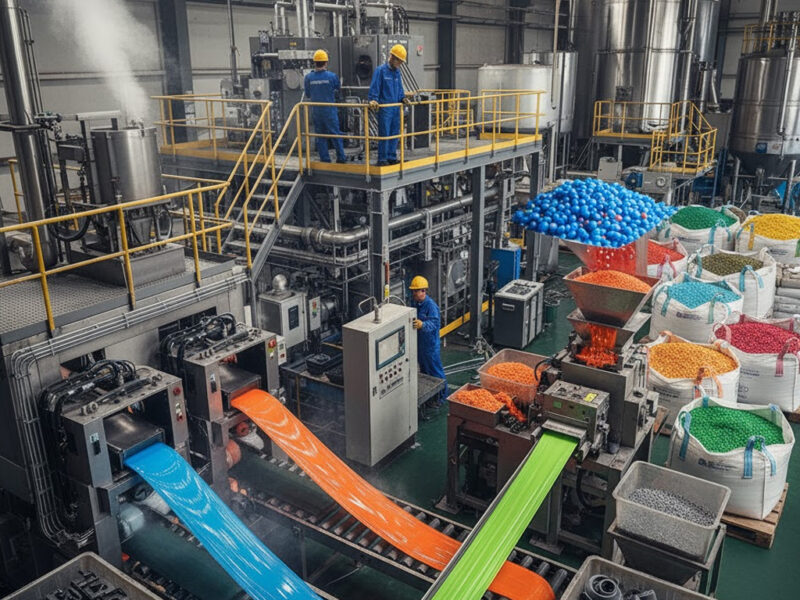
Synthetic plastics have transformed the way people design and manufacture products across many areas of everyday life and industry. In the article below, Thai Duong Plastics will help you better understand the concept, characteristics, classifications, and practical applications of this type of plastic.
What is synthetic plastic?
Synthetic plastic is a man-made polymer produced from organic compounds derived mainly from petroleum and natural gas. Through polymerization or polycondensation reactions, small molecules (monomers) bond together to form large molecular chains with high flexibility, durability, and stability.
Unlike natural resins derived from plants and animals, synthetic plastics allow their properties to be adjusted according to specific uses, such as increasing hardness, strength, heat resistance, or transparency. This flexibility in formulation and the ability to be mass-produced have made synthetic plastics the foundation of modern materials science.
Characteristics and properties
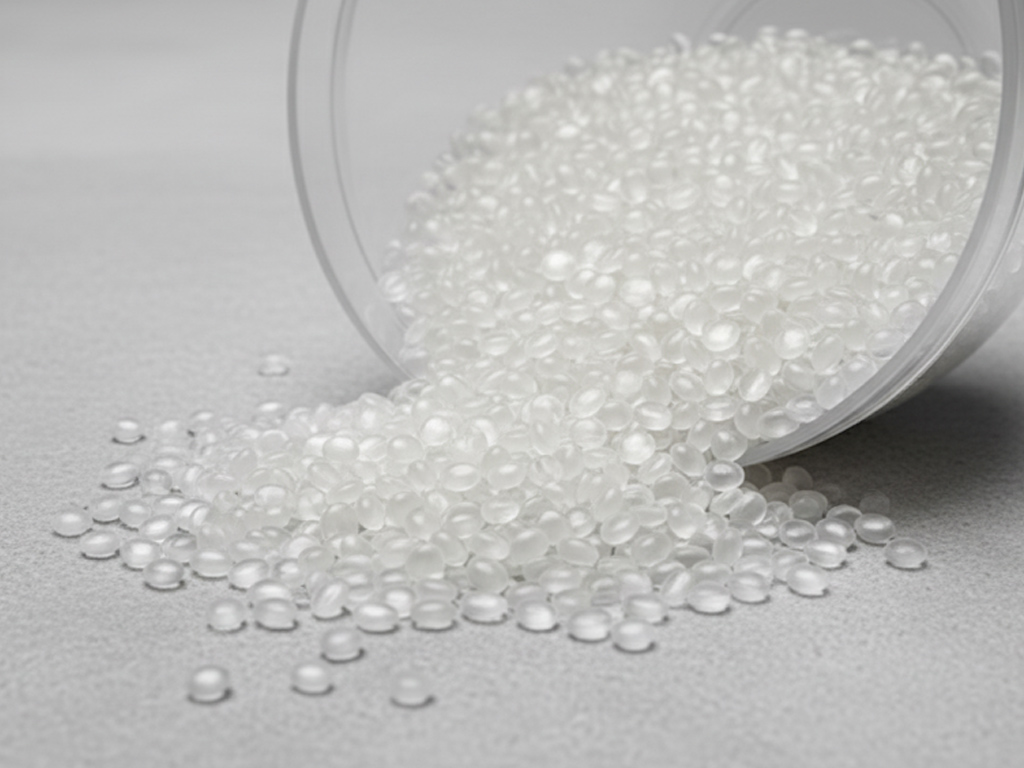
Synthetic plastics are highly valued thanks to their combination of stable mechanical and chemical properties. Below are some key characteristics that give this material a significant advantage in many fields:
- Flexible and easy to process: Synthetic plastics can be injection molded, blow molded, compression molded, and more at high temperatures to form almost any desired shape.
- High durability: Many plastics have good impact and load-bearing resistance, making products more durable than those made from traditional materials.
- Lightweight: Low density helps reduce product weight and transportation costs.
- Electrical insulation and moisture resistance: Most synthetic plastics are good electrical insulators and do not corrode easily in humid or chemically aggressive environments.
- Easy coloring and surface finishing: Synthetic plastics can be easily colored, plated, or printed on, making them suitable for consumer goods and technical components.
- Recyclability: Some plastics such as PET, PP, and HDPE can be recovered and recycled, helping to reduce environmental impact.
Classification of synthetic plastics
Classifying plastics helps clearly define their performance, processability, and suitable applications. Below are the most common groups of synthetic plastics today:
Elastomeric plastics
Elastomeric plastics can stretch and return to their original shape, similar to rubber. Polyurethane (PU), silicone, and synthetic rubber are typical examples, commonly used to make components that require flexibility in everyday life and industrial production.
Thermoplastics
This group includes plastics that melt when heated and solidify again when cooled. Thermoplastics can be reprocessed multiple times without changing their chemical structure. Materials such as Polyethylene (PE), Polypropylene (PP), Polystyrene (PS), Polyethylene Terephthalate (PET), and Polyvinyl Chloride (PVC) are widely used.
Thermosetting plastics
Unlike thermoplastics, thermosetting plastics can only be shaped once. After curing in the mold, they cannot be remelted and reshaped by heat. Epoxy, phenolic, and unsaturated polyester resins (UPR) are typical representatives and are used in products that require high rigidity and heat resistance.
By intended use
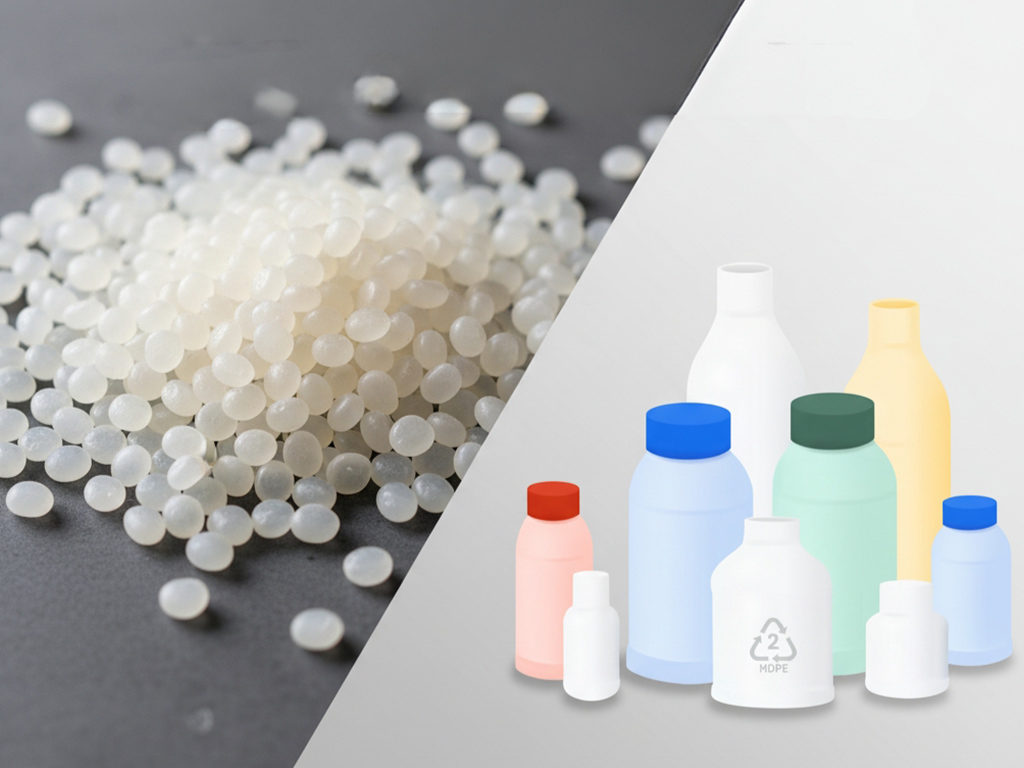
In addition to structural classifications, synthetic plastics are also grouped according to intended use to match different industries and technical requirements:
- Commodity plastics (PE, PP, PS, etc.): These are widely used in household products thanks to their low cost, ease of processing, and suitability for mass production.
- Engineering plastics (PC, ABS, PBT, PA, etc.): These plastics have higher mechanical strength and heat resistance. They are commonly used in industrial equipment and precision technical products.
- Specialty plastics (PEEK, PPS, PTFE, etc.): This group has special properties such as extremely high heat resistance, flame retardancy, and strong chemical resistance. They are used in medical devices and sectors that require highly demanding technical standards.
See also: Custom household plastic processing
Most common applications of synthetic plastics
Synthetic plastics are widely used in many areas of everyday life and industrial production, such as:
- Packaging industry: PET, PP, and HDPE plastics are used to produce bottles, films, and food containers thanks to their barrier properties, light weight, and durability.
- Construction industry: PVC and HDPE are popular materials for water pipes, plastic doors, roofing sheets, and insulation materials. Plastics help reduce construction costs while maintaining structural durability.
- Electrical and electronics industry: ABS, PC, and PA plastics are used to manufacture housings, circuit boards, switches, and insulating components thanks to their stability and heat resistance.
- Automotive and mechanical engineering: Many components such as door handles, dashboards, and interior trims are made from engineering plastics to reduce weight and enhance durability.
- Medical industry: Safe synthetic plastics such as PP and PVC are used to produce IV tubing, syringes, and pharmaceutical packaging.
- Textile industry: Polyester and nylon are synthetic fibers derived from plastics, used in clothing, carpets, and industrial fabrics.
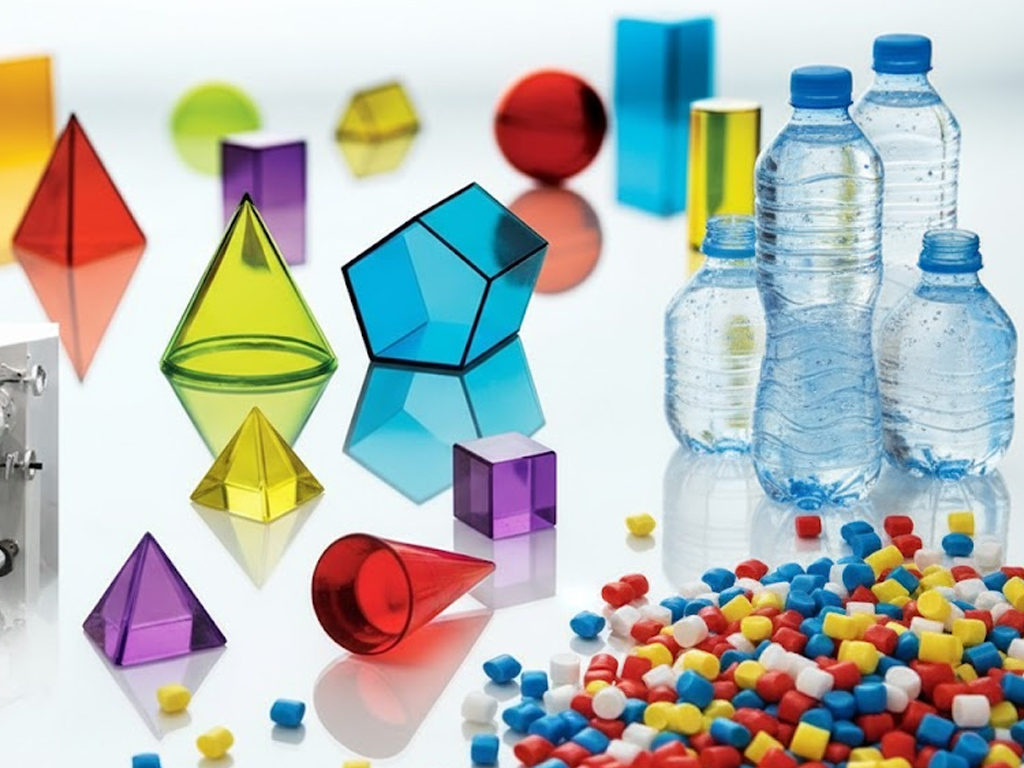
To use synthetic plastic products more effectively and extend their service life, you should keep the following in mind:
- Do not use plastic items to heat food unless they carry safety markings and clear instructions.
- Avoid harsh chemicals and abrasive tools when cleaning.
- Store in a dry place, away from direct sunlight.
- Prioritize products labeled “BPA Free” and those that are recyclable.
- Replace items that show signs of cracking, scratching, or deformation.
Synthetic plastic is a material that offers a well-balanced combination of mechanical strength, application versatility, and precise processability. Although there are still environmental challenges, proper use and recycling will help maximize the value of this material. If you need advice on selecting suitable materials for plastic processing, please contact Thai Duong Plastics for professional support.
Read more: Distinguishing types of plastics and how to identify them in everyday life