

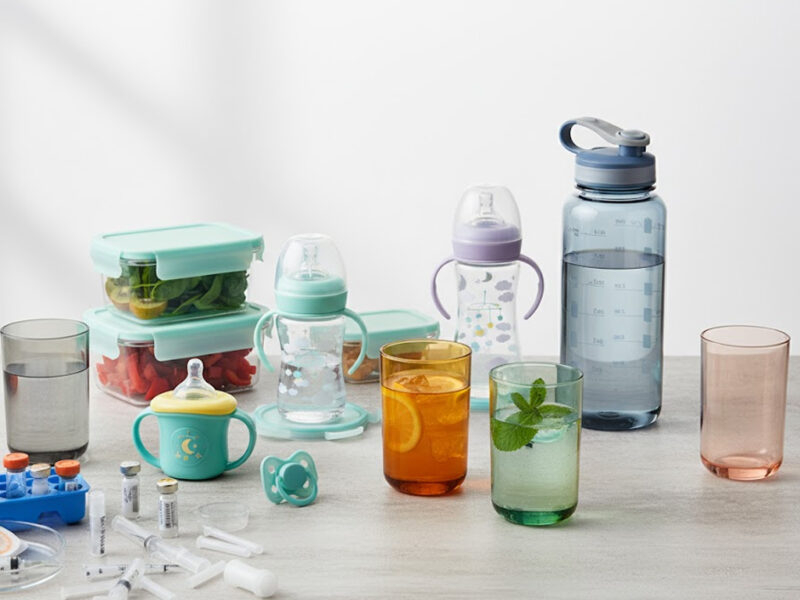
Tritan plastic has become a familiar material in many household products today. Thanks to its glasslike clarity, durability, and good heat resistance, Tritan is gradually replacing many traditional plastics. Still, many people wonder whether Tritan is truly safe and how it differs from other plastics. In this article, Thai Duong Plastics takes a closer look so you can make an informed choice for your family’s plastic products.
What is Tritan plastic?
Tritan is a synthetic plastic in the copolyester family, developed by Eastman Chemical in the United States. It was created to replace polycarbonate (PC), a once-popular plastic that contains BPA-a substance that can affect the endocrine system and human health.
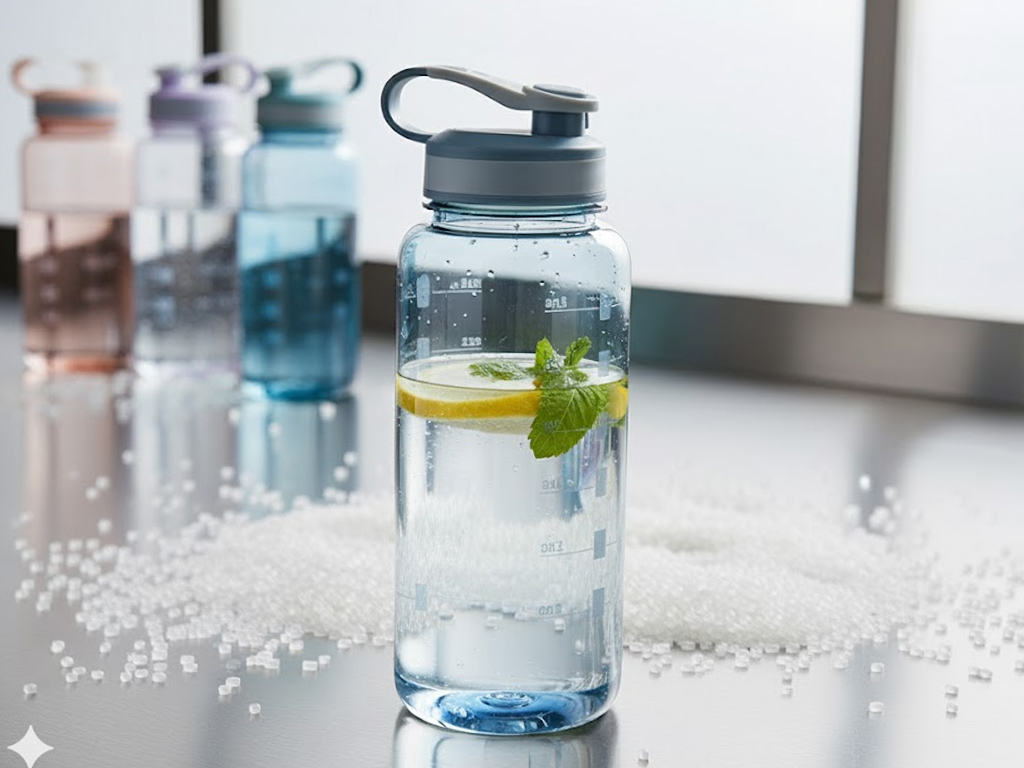
Tritan is highly regarded for its glasslike transparency, light weight, toughness, and high shatter resistance. Most importantly, Tritan contains no BPA, BPS, or other bisphenols. As a result, it is considered one of the safest plastics for products that come into direct contact with food and beverages.
Key properties of Tritan
Tritan is favored not only for safety but also for a set of standout characteristics that few other plastics can match:
- Safe for health: Tritan contains no substances that may disrupt the endocrine system or harm human health (BPA, BPS, lead, cadmium, phthalates, etc.) and is FDA-approved for food contact-including for infants and children.
- High durability and impact resistance: Tritan resists cracking, is difficult to break, is less prone to scratching, and retains its glossy appearance over long-term use.
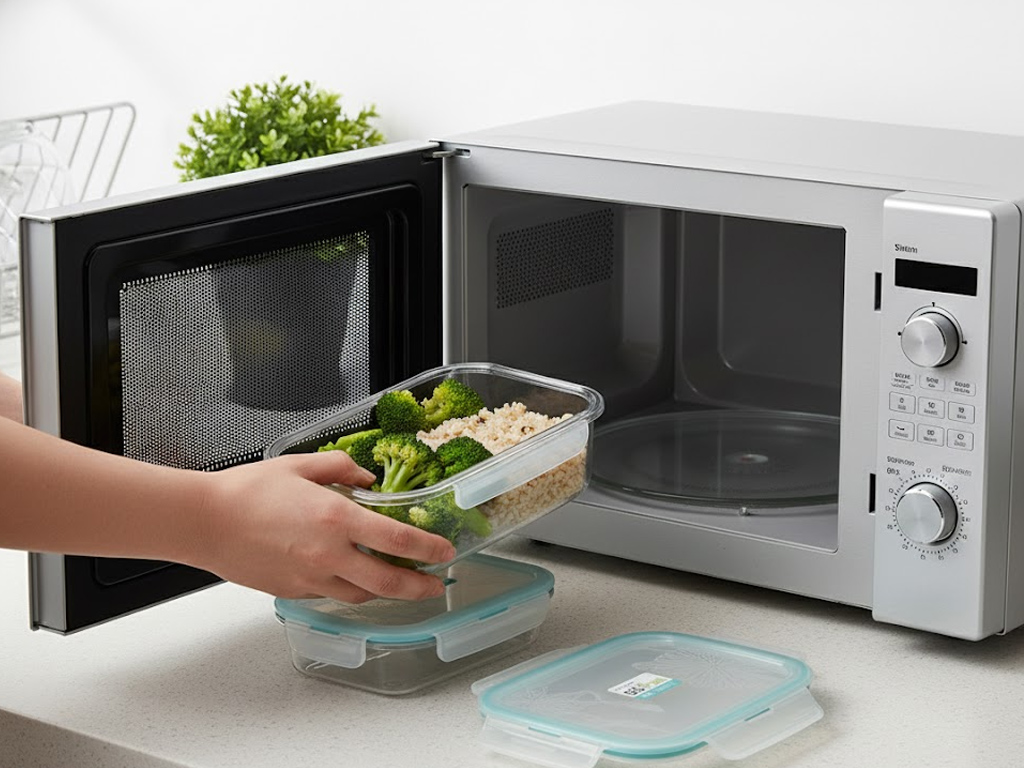
- Excellent heat resistance: This material tolerates temperatures up to around 109 °C and can be used in dishwashers and microwaves and for holding boiling water without warping.
- Transparent and lightweight: Tritan offers glasslike clarity while being lighter, making contents easy to see and products easy to carry.
- Non-odor-absorbing and easy to clean: Tritan does not absorb odors or colors, keeping products clean and easy to wash after use.
Common applications of Tritan
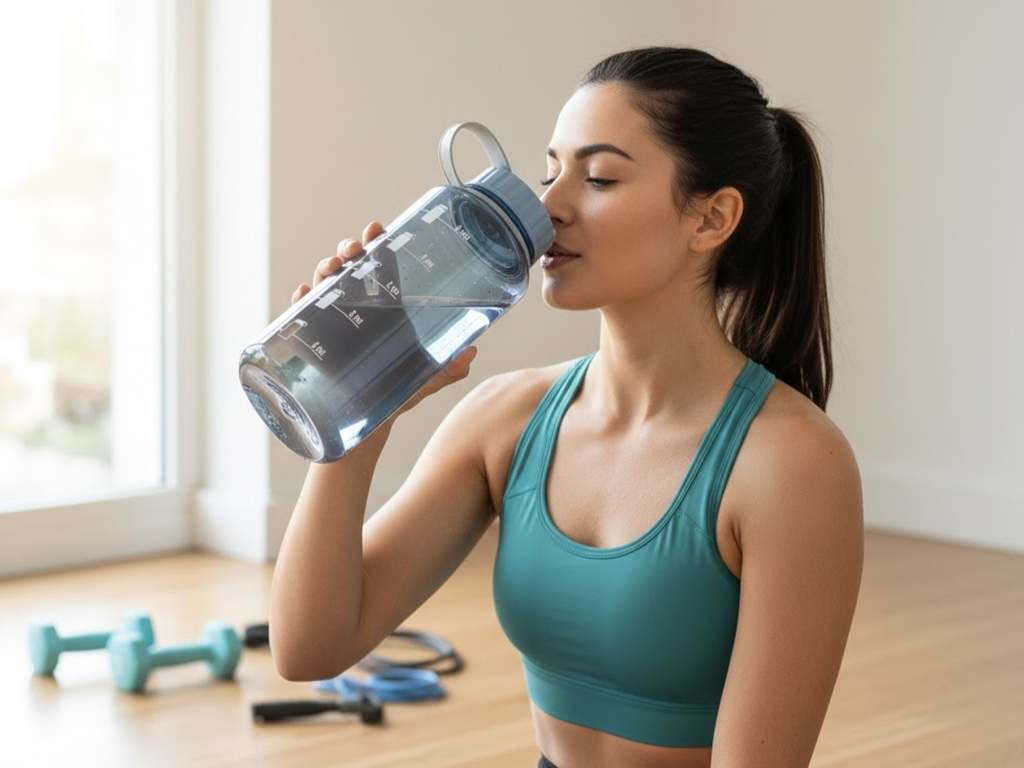
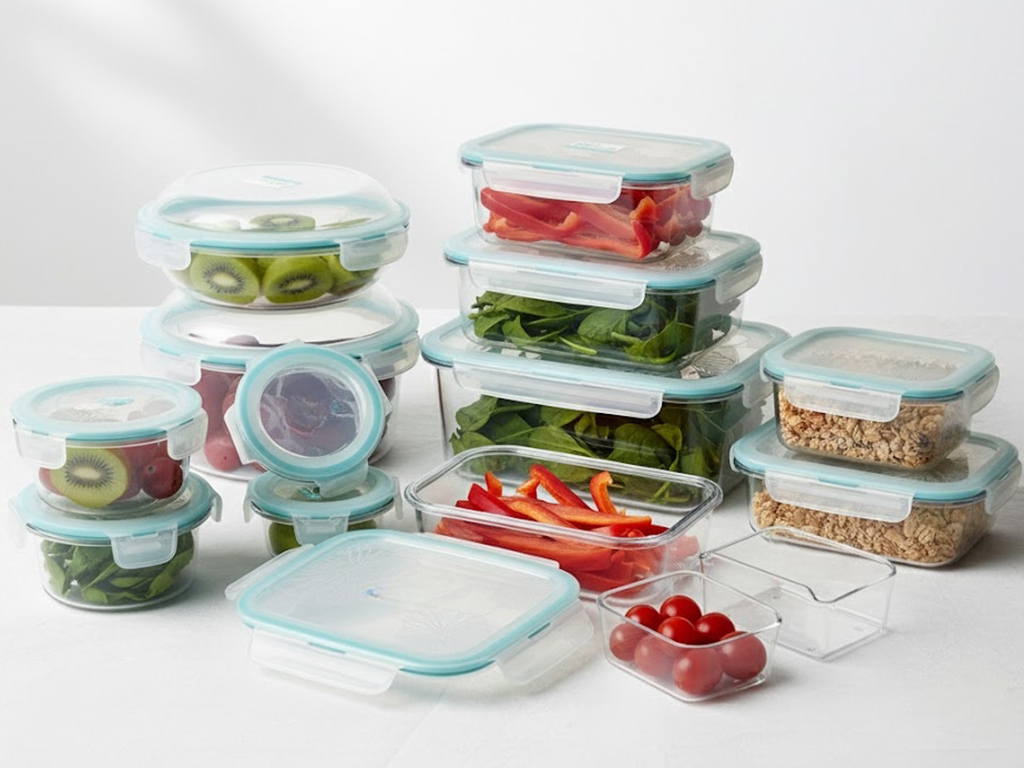
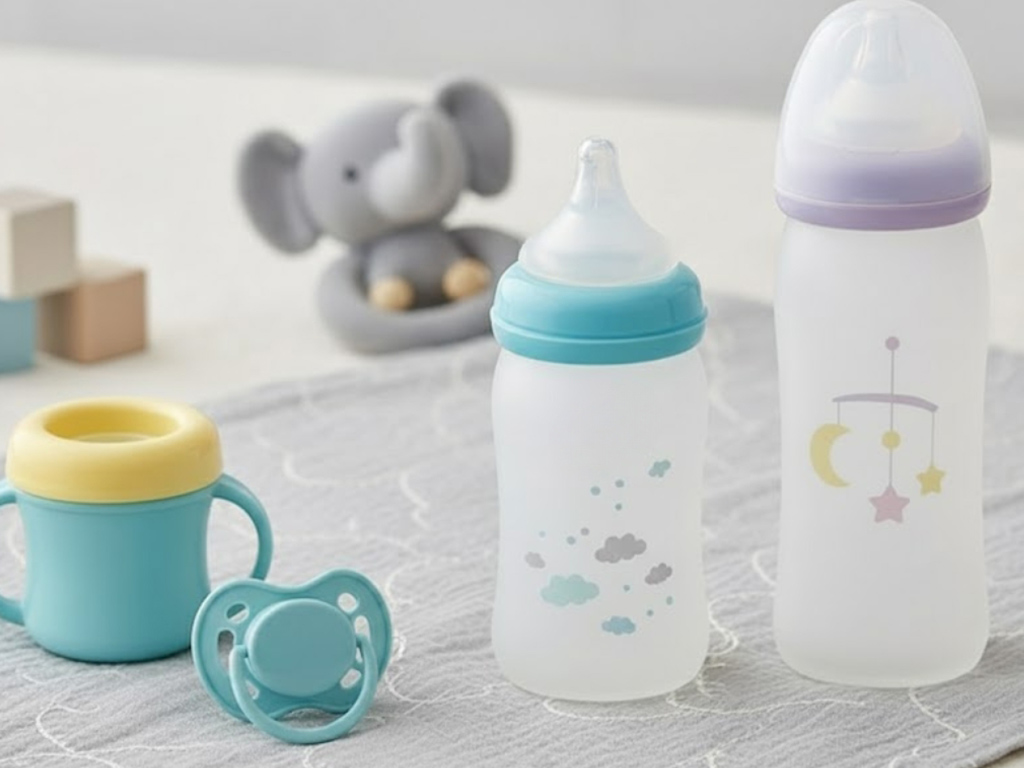
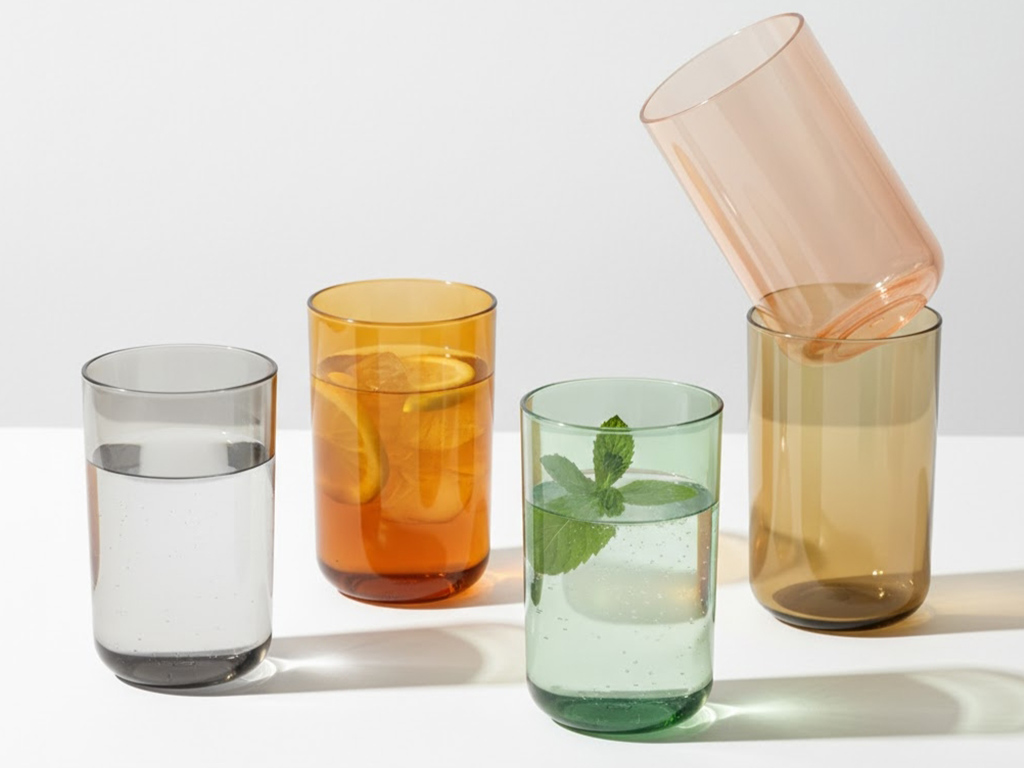
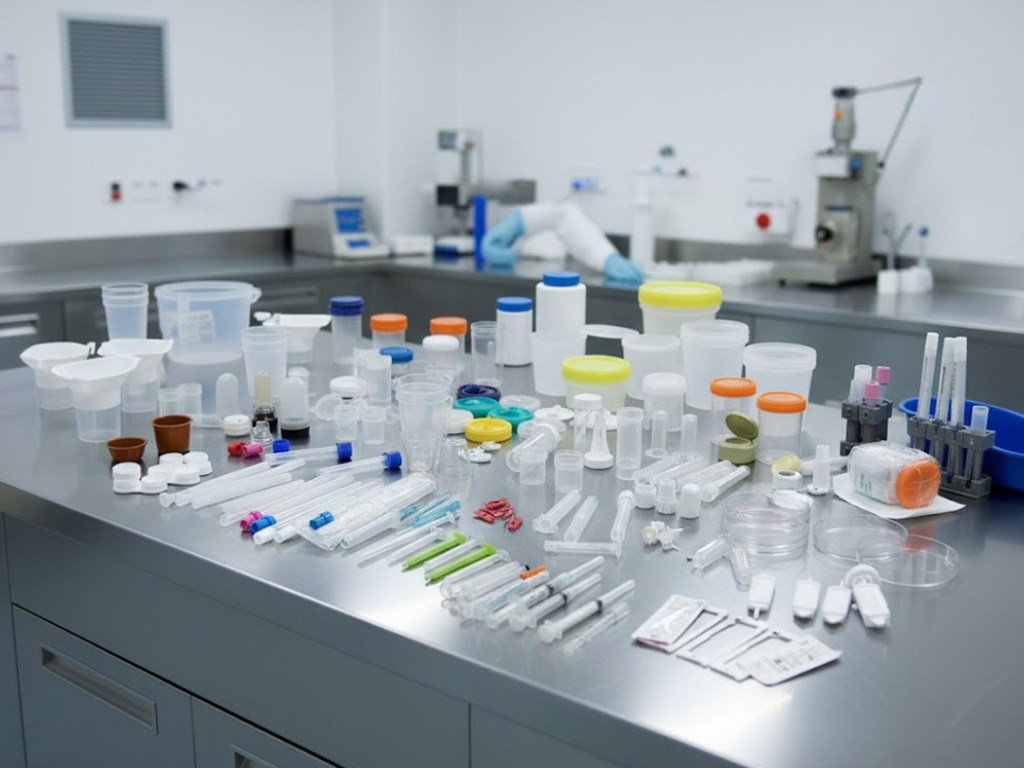
With its origins and outstanding properties, Tritan has quickly found widespread application in daily life:
So, is Tritan safe?
Tritan is widely considered one of the safest plastics available today. Independent laboratory testing shows that Tritan does not contain endocrine-disrupting chemicals and does not release toxic substances when exposed to high temperatures.
That said, to ensure maximum safety, consumers should choose genuine products with BPA-free certification and clear traceability. Avoid items with unclear material labeling or lacking food-safety certification.
Comparing Tritan with other plastics
To understand Tritan’s advantages in custom plastic products, let’s compare it with several common plastics such as PPSU, PET, and PP:
- Tritan vs PPSU
PPSU is an engineering plastic that withstands higher temperatures than Tritan-up to about 200 °C. Accordingly, PPSU is used for products that require exceptional heat resistance, such as premium baby bottles and medical instruments. By contrast, Tritan delivers higher clarity, a glossier surface, and lower weight.
In terms of safety, both are BPA-free and certified for food contact. However, PPSU generally costs more and may yellow over time, whereas Tritan better maintains long-term clarity, offers higher aesthetics, and is more cost-effective.
- Tritan vs PET
PET is the most common plastic used for bottled water and other beverages. However, PET containers are designed primarily for single use and may deform-or release undesirable compounds-when exposed to high heat.
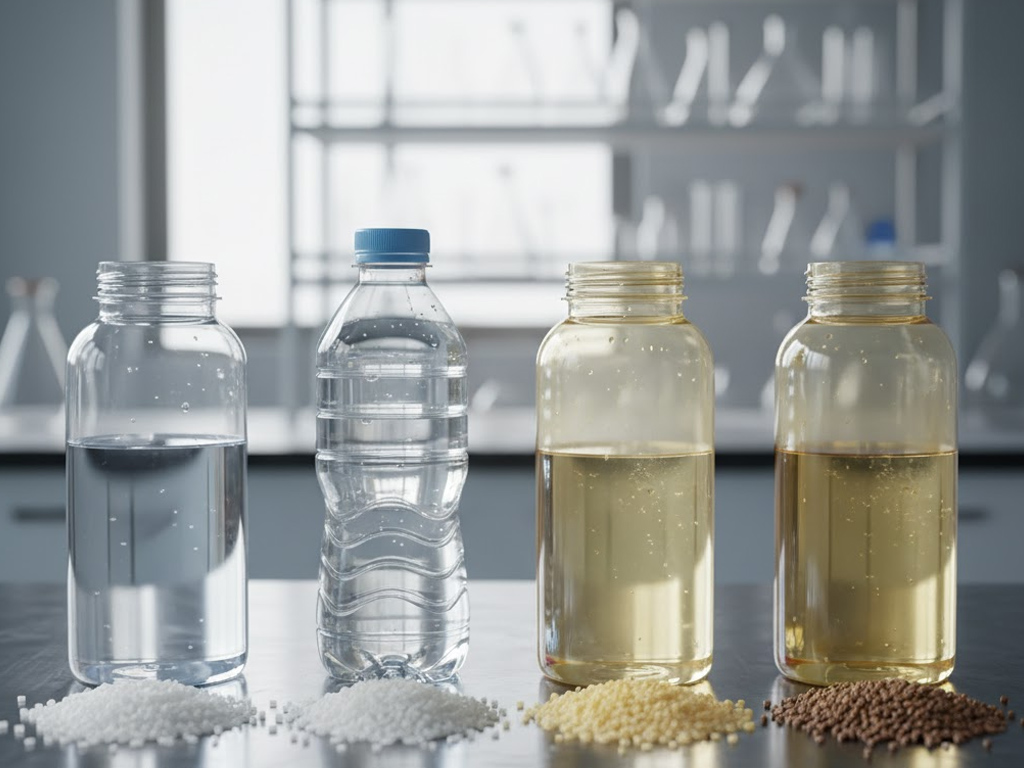
By contrast, Tritan is safer thanks to better heat resistance: it can hold hot liquids and be cleaned in a dishwasher without warping. Tritan is also more durable, shatter-resistant, easy to clean, odor-resistant, and reusable-making it a far better choice than PET for long-life products.
- Tritan vs PP
PP is widely used for lunch boxes, cup lids, and household items. It is light and heat-resistant and can be reused in microwaves without releasing hazardous substances. Its drawbacks are limited transparency, easier scratching, and lower impact resistance compared with Tritan.
Tritan offers higher mechanical strength, glasslike clarity, and better shatter resistance. Products made from Tritan are not only durable but also highly aesthetic-ideal for users who value both quality and appearance. Although PP is less expensive, Tritan remains the optimal choice for long-term durability and food-contact safety.
Important notes when using Tritan
To preserve quality and maximize service life for Tritan products, keep in mind:
- Avoid harsh cleaners and abrasive tools
For cleaning, use regular dish soap with a soft cloth or sponge. Avoid highly corrosive cleaners and metal scrubbers that can scratch the surface and diminish appearance.
- Check product markings
Look for items explicitly labeled with the Tritan brand, the Eastman logo, or “BPA-Free” to ensure you are purchasing genuine, high-quality products.
- Replace when necessary
Although Tritan is durable, replace products that are cracked, broken, or heavily gouged to maintain hygiene and absolute safety.
- Store in a cool, ventilated place
Do not leave Tritan products in direct sunlight for extended periods, which can affect material durability.
- Limit microwave use
While Tritan tolerates heat well (up to around 109 °C), the high and uneven temperatures in microwaves can reduce product lifespan. Ideally, use Tritan for hot liquids or clean it in a dishwasher rather than continuous microwave heating.
Tritan is a premium engineered plastic that satisfies demanding requirements for durability, aesthetics, and health safety. Thai Duong Plastics employs Tritan alongside other high-grade plastics in manufacturing to deliver products that meet stringent standards for durability, appearance, and safety-serving diverse needs in household and industrial applications.
Reference: Common plastics used in injection molding